Trying to choose between St. Peters and O’Fallon can feel harder than it should. Both cities offer strong day-to-day convenience in St. Charles County, but they do not live exactly the same way. If you want to narrow the decision with more confidence, it helps to look past the home itself and focus on how each city fits your routine, recreation, and commute. Let’s dive in.
Start With Your Daily Routine
When two cities sit this close together, the best choice often comes down to how you want everyday life to feel. That includes where you run errands, how you get around, what kind of recreation you use, and whether you prefer a more established setting or an area with more visible growth.
For many buyers, St. Peters and O’Fallon are both strong options. The difference is that St. Peters tends to read as more established and corridor-focused, while O’Fallon shows more zoning variety and more active development across multiple areas. That pattern comes from each city’s planning and zoning materials.
St. Peters at a Glance
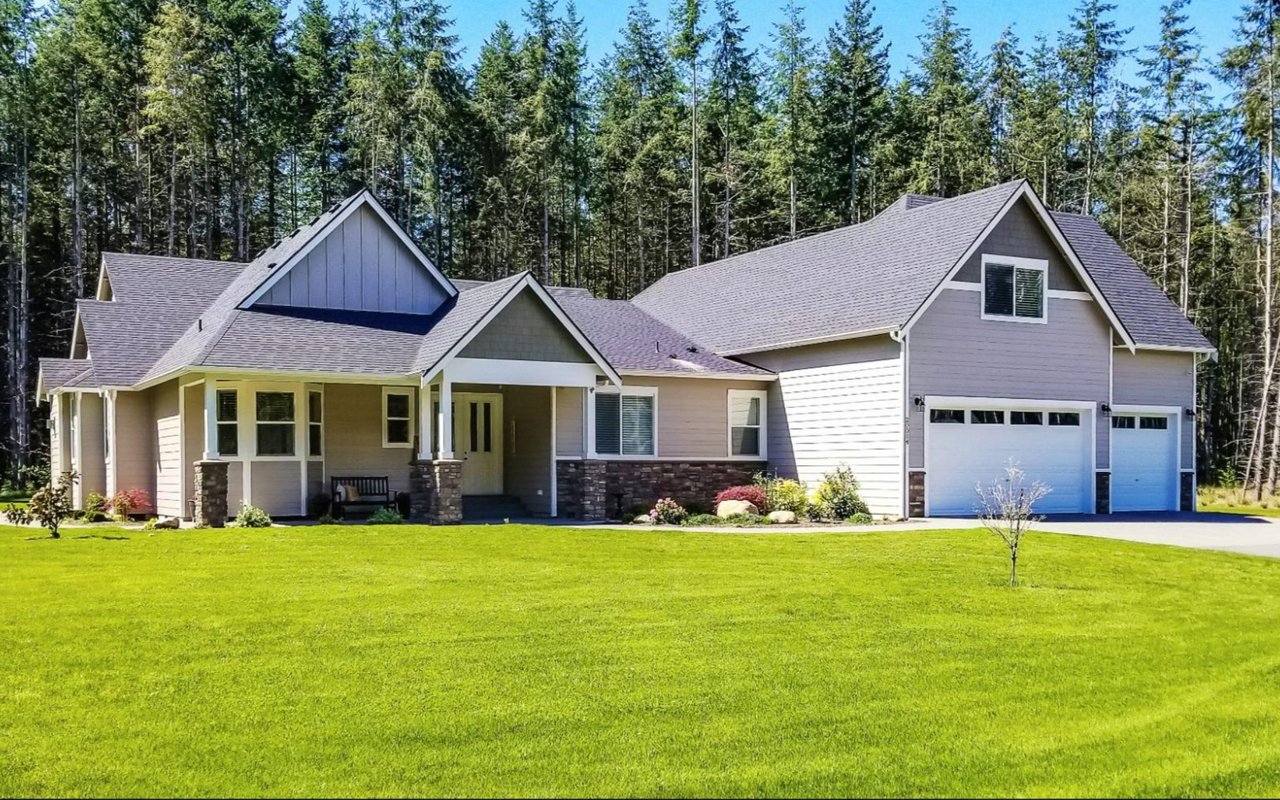
St. Peters has a residential pattern that is largely single-family, with attached villa units and apartments clustered along major corridors such as Mexico Road, Highway 94, and west of Mid Rivers Mall Drive. The city’s comprehensive plan also points to Old Town as the original settlement area, where residential, commercial, and industrial uses mix together.
That layout can feel easier to learn if you like a city with a few well-known activity corridors. Commercial uses are especially concentrated around Mid Rivers Mall Drive, the Mexico Road and Mid Rivers Mall Drive area, and the Highway 94 corridor. In practical terms, that can mean a more node-based pattern for errands, services, and dining.
O’Fallon at a Glance
O’Fallon presents a broader zoning mix. Its zoning map includes single-family residential, single-family suburban residential, two-family residential, garden apartment and condo, apartment house, mixed-use traditional, and planned unit development districts.
The city also maintains an active developments map that tracks projects under review, under construction, or completed. For buyers, that can signal a city with more visible new construction and more variety in how neighborhoods and commercial areas are laid out. If you want more housing form options and a stronger sense of ongoing growth, O’Fallon may stand out.
Housing Feel: Established or Evolving?
One of the clearest differences is how each city may feel as you drive through it. St. Peters often comes across as more established, with residential areas and commercial corridors that have a defined pattern. O’Fallon may feel more spread out and more varied, with development activity showing up in multiple parts of the city.
Neither is better across the board. The right fit depends on whether you want a city that feels more settled or one that offers a wider mix of housing types and more visible expansion. That question alone can help narrow your search quickly.
Parks and Recreation in St. Peters
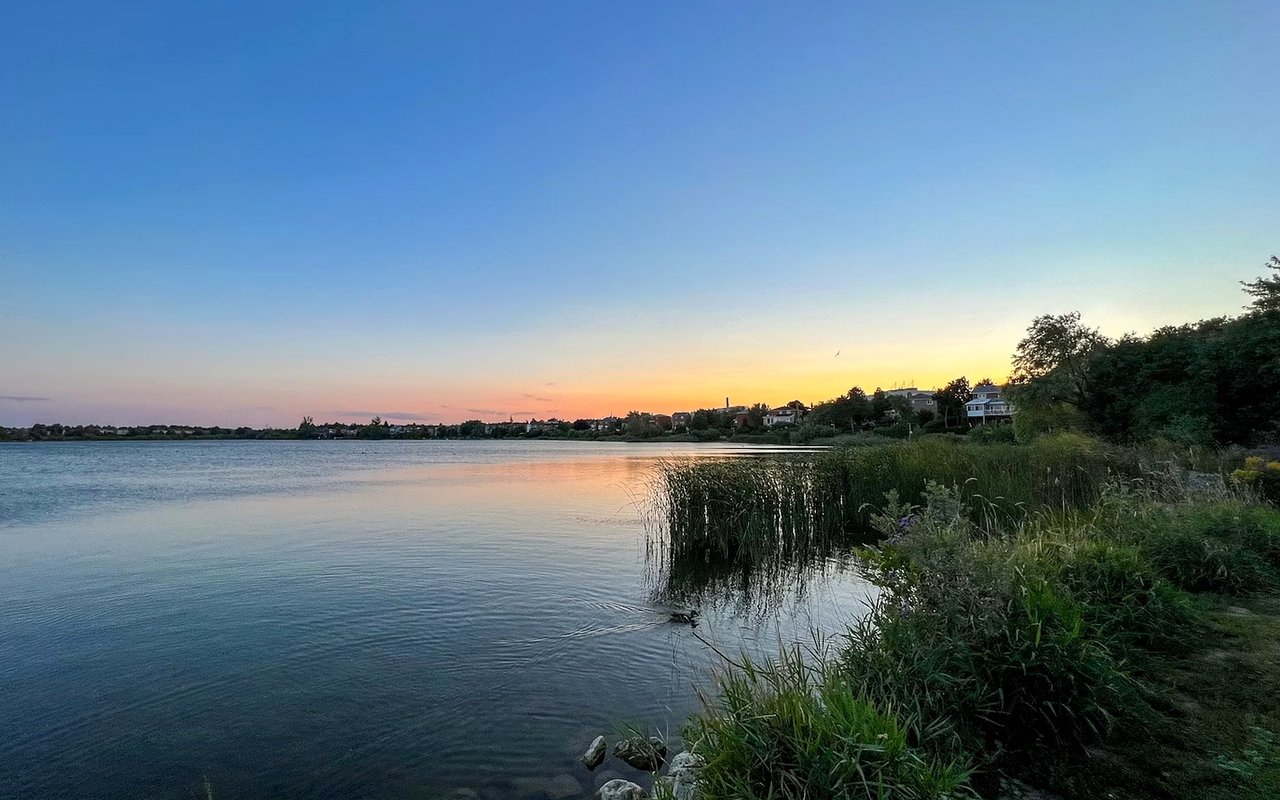
If parks and municipal amenities are high on your list, St. Peters has a lot to show. The city says it has 26 parks, 1,228 acres of parkland, and 30 miles of recreation trails.
Its amenities include the 236,000-square-foot Rec-Plex, a Cultural Arts Centre, outdoor pools, an archery range, a BMX track, fishing ponds, the Water’s Edge Banquet Center, an 18-hole golf course, and RV campsites at 370 Lakeside Park. The city also notes that its parks are patrolled by a professional Ranger Enforcement Division.
For some buyers, that points to a very park-heavy city with a major recreation anchor. If you like the idea of one large municipal complex plus a broad park system, St. Peters may match your lifestyle well.
Parks and Recreation in O’Fallon
O’Fallon emphasizes a citywide recreation network rather than one standout flagship facility. The city says it has more than 450 acres of parks, and it highlights the Renaud Center, Alligator’s Creek Aquatic Center, T.R. Hughes Ballpark, O’Day Park facilities, and the O’Fallon Family YMCA.
O’Fallon also describes itself as a bikeable and walkable community, with bikeable paths and routes and walking trails in several parks. If you picture recreation as something spread across the city, with multiple hubs and route connections, O’Fallon may feel more natural to you.
Commute Routes Matter More Than Zip Code
A city can look perfect on paper and still feel wrong if the road network does not match your week. That is why commute patterns deserve a serious look before you decide.
St. Peters is closely tied to I-70, Route 370, and Route 94. The city’s comprehensive plan says those highways help make the city accessible, while also identifying congestion on I-70 as a transportation issue. The city’s Streets Department maintains 547 lane miles of streets, which speaks to the scale of its local roadway system.
O’Fallon has a broader mix of major routes. The city says it is bisected by I-70, I-64, Highway K, Highway N, Highway 79, Highway DD, Highway 364, South 364 Outer Road, Technology Drive, and parts of Veterans Memorial Parkway. It also identifies major thoroughfares such as Mexico Road, Feise Road, Winghaven Boulevard, and Bryan Road.
For buyers, the practical question is simple: which roads match where you actually go? If your routine lines up with the I-70, 370, and Route 94 pattern, St. Peters may be the cleaner fit. If your work or frequent destinations connect better to I-70, I-64, Highway 364, or Highway K, O’Fallon may give you more route options.
Shopping, Services, and Everyday Convenience
Convenience is not just about how much retail a city has. It is also about whether those places are clustered in a way that feels easy to use.
In St. Peters, commercial activity is concentrated along Mid Rivers Mall Drive, the Mexico Road and Mid Rivers Mall Drive node, and the Highway 94 corridor. City materials describe those areas as home to strip centers, banks, restaurants, a post office, and other retail and service uses. The city also reports that more than 7 million square feet of new commercial space has been developed since 2017.
O’Fallon spreads that convenience across several corridors, including Bryan Road, Highway K, Main Street, Tom Ginnever, WingHaven, and the I-64 high-tech corridor. The city says nearly 1,850 businesses call O’Fallon home. It also provides a current business map and active developments map that help show where commercial activity is concentrated.
If you prefer a more concentrated commercial spine, St. Peters may feel easier to navigate. If you like having multiple errand and dining corridors across the city, O’Fallon may feel more flexible.
Questions to Ask Before You Choose
If you are deciding between these two cities, try to answer a few practical questions before you tour more homes:
- Do you want an established neighborhood pattern or a city with more visible new development?
- Do you prefer a large municipal recreation complex or a more distributed recreation network?
- Does your commute fit better with St. Peters’ I-70, 370, and Route 94 access or O’Fallon’s broader highway mix?
- Do you want errands centered around a few key commercial corridors, or spread across more parts of the city?
- Are you looking for a neighborhood feel that seems more settled today, or one that may feel more actively evolving?
These questions often matter more than small differences in square footage or finishes. The home matters, but the way your city works around that home matters too.
How to Tour With Purpose
When you visit St. Peters and O’Fallon, do more than drive by listings. Test each city the way you would actually live in it.
Try driving your likely commute route at the times you would normally travel. Visit a park or recreation facility you would realistically use. Stop along the commercial corridors where you would handle groceries, dining, or day-to-day errands.
That kind of tour usually tells you more than a home search portal ever can. It helps you choose a location based on lifestyle fit, not just a property photo set.
The Right Choice Is Personal
St. Peters and O’Fallon both offer strong options for buyers in St. Charles County. St. Peters may appeal more if you want a city that feels established, recreation-rich, and organized around a few dominant corridors. O’Fallon may be a better match if you want more route choice, broader zoning variety, and a city with visible development across multiple areas.
The best next step is to compare them through the lens of your own routine. When you do that, the right address usually becomes much easier to spot.
If you want help weighing neighborhoods, commute patterns, and lifestyle fit in St. Charles County, connect with Cheri Norton for experienced, local guidance.
FAQs
How is housing different in St. Peters and O’Fallon?
- St. Peters is described in city planning materials as more single-family and corridor-focused, while O’Fallon shows a wider zoning mix that includes several residential types and planned developments.
What are the park options in St. Peters?
- St. Peters says it has 26 parks, 1,228 acres of parkland, 30 miles of recreation trails, and amenities that include the Rec-Plex, outdoor pools, fishing ponds, a golf course, and 370 Lakeside Park.
What are the recreation options in O’Fallon?
- O’Fallon highlights more than 450 acres of parks along with the Renaud Center, Alligator’s Creek Aquatic Center, T.R. Hughes Ballpark, O’Day Park facilities, the O’Fallon Family YMCA, and bikeable and walkable routes.
Which city may work better for commuting in St. Charles County?
- That depends on your route. St. Peters is strongly tied to I-70, Route 370, and Route 94, while O’Fallon offers access to I-70, I-64, Highway 364, Highway K, and several other major roads.
How are shopping and service areas laid out in St. Peters and O’Fallon?
- St. Peters commercial activity is more concentrated around areas like Mid Rivers Mall Drive and Highway 94, while O’Fallon spreads businesses across several corridors such as Bryan Road, Highway K, Main Street, WingHaven, and the I-64 corridor.
What should buyers compare when choosing between St. Peters and O’Fallon?
- Focus on your likely commute, preferred recreation style, comfort with established versus evolving development patterns, and whether you want conveniences grouped in a few corridors or spread across a larger network.