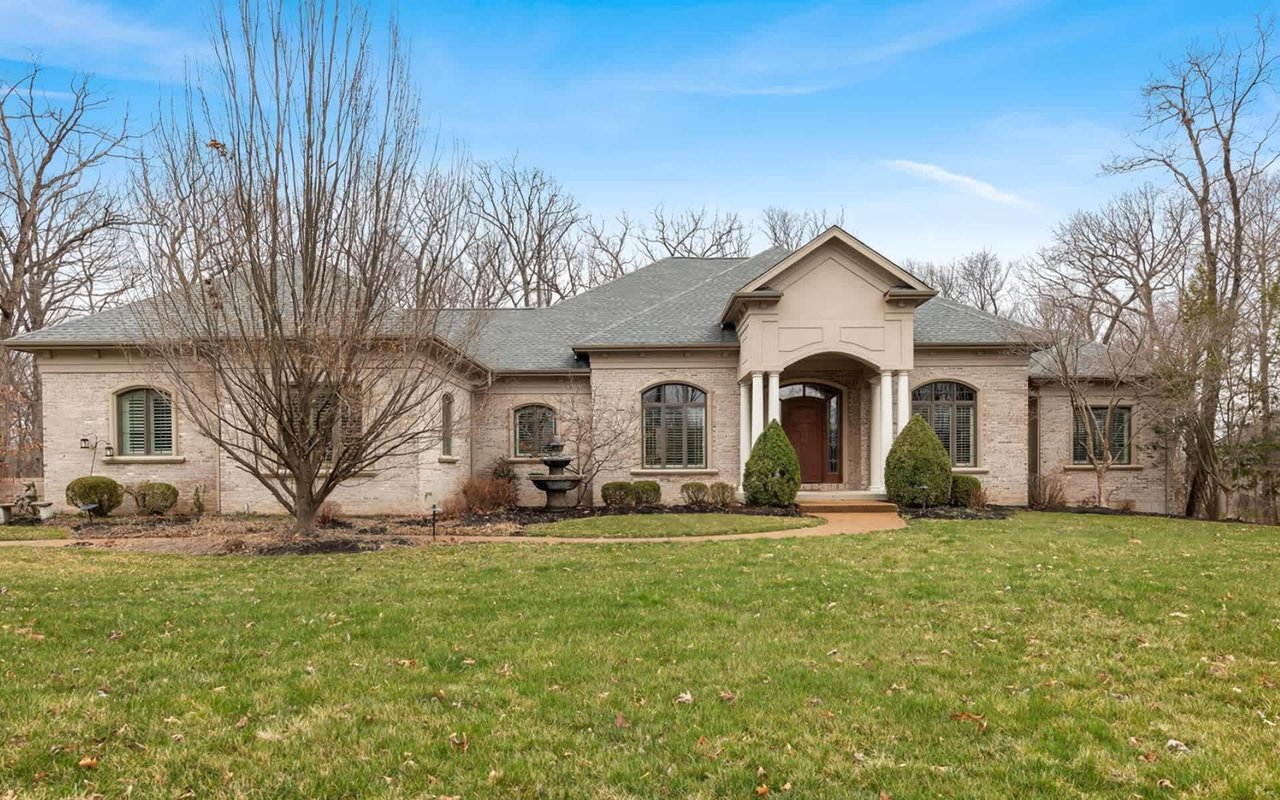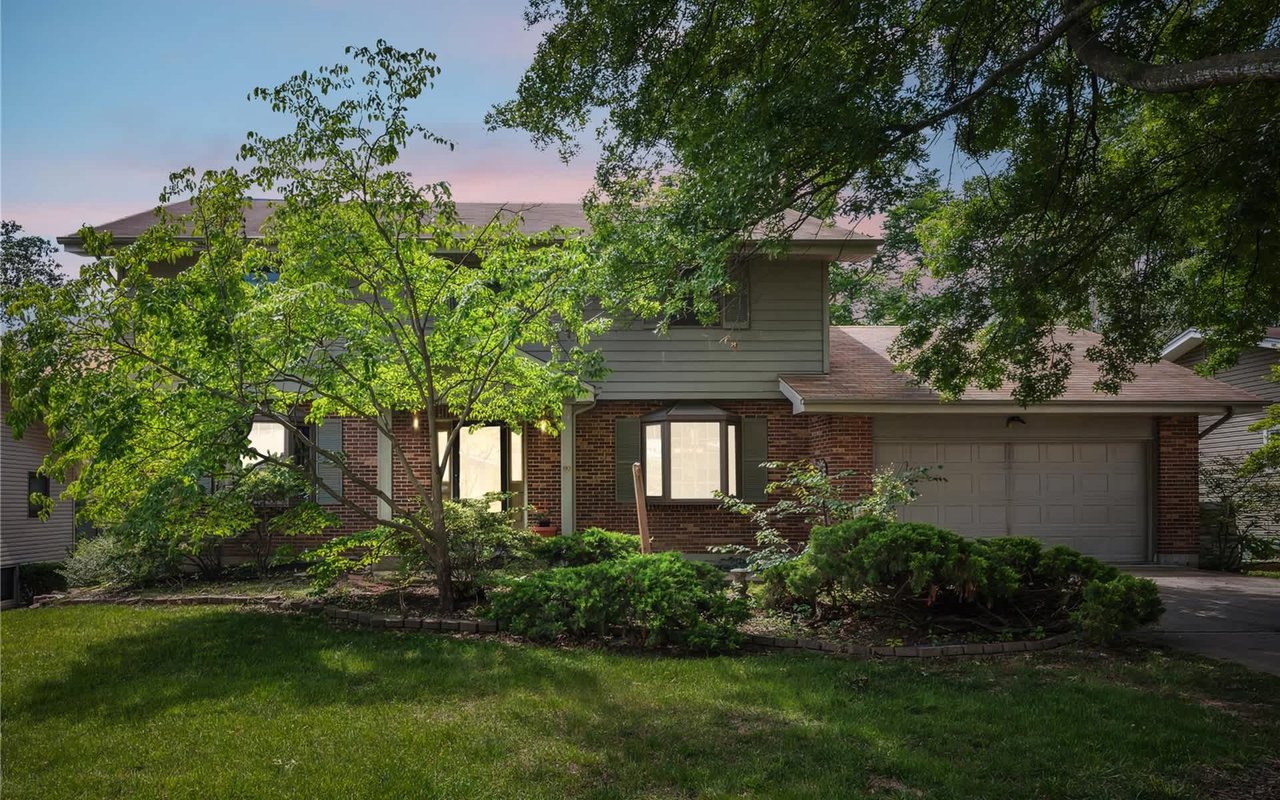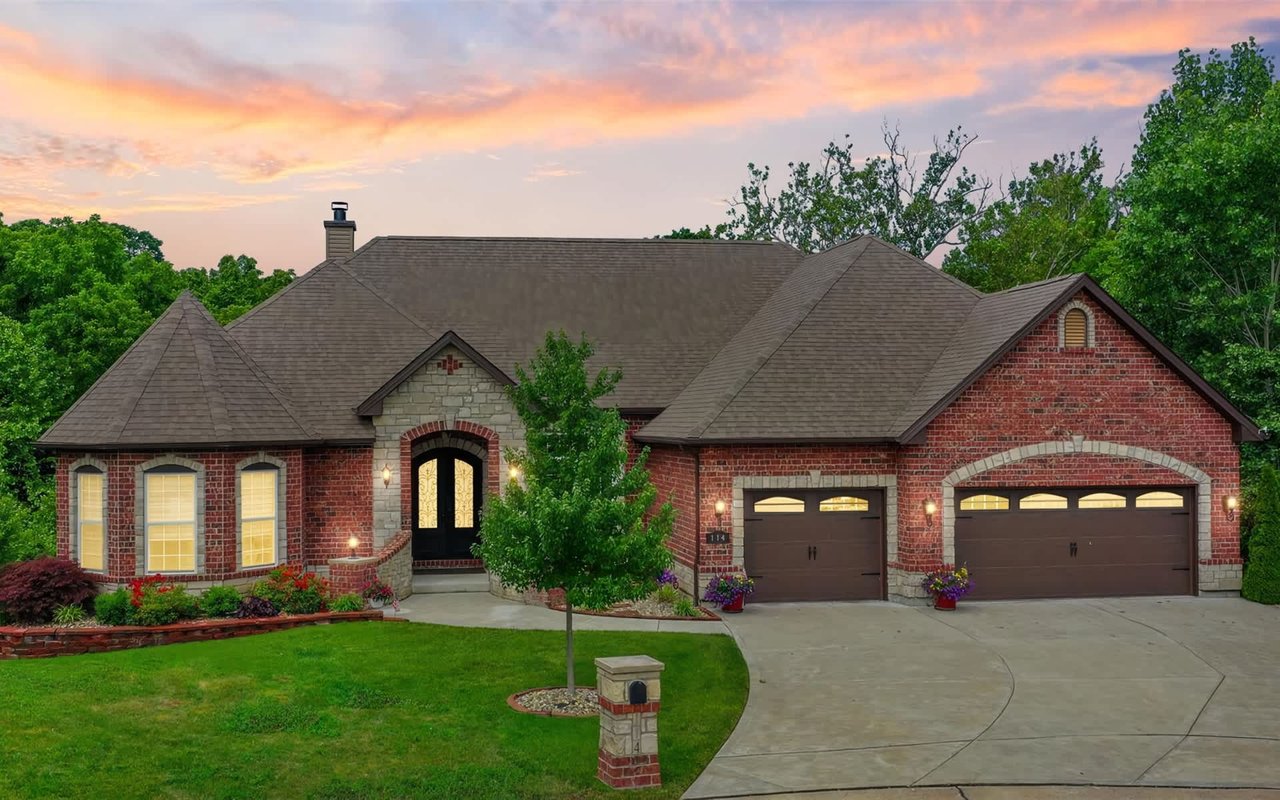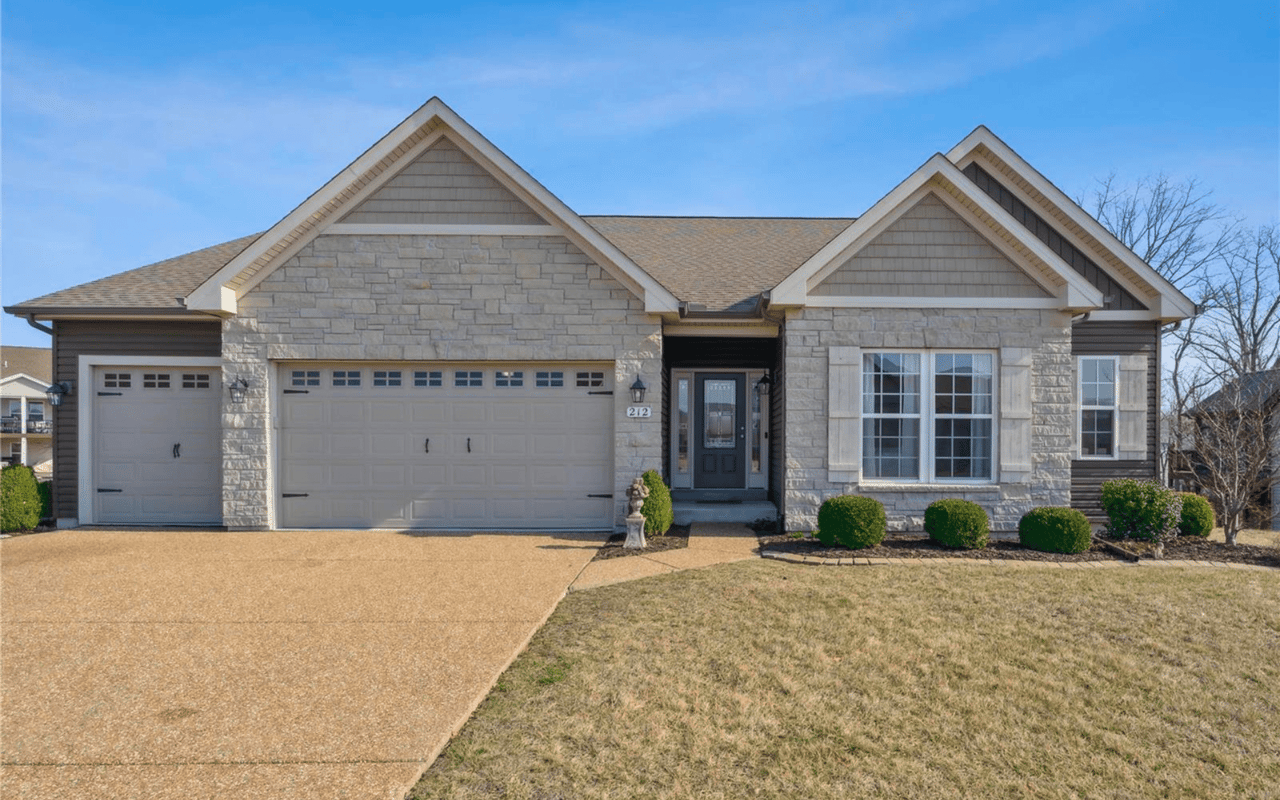
Are you drawn to a front porch with history, or do you want a home that feels turnkey from day one? If you are buying in St. Charles, that choice is more than style. It can affect maintenance, renovation plans, carrying costs, and even how quickly you need to act in a market where median days on market were 28 citywide as of April 2026. This guide will help you compare historic homes and newer builds in St. Charles so you can focus on the option that fits your life best. Let’s dive in.
St. Charles Offers Two Very Different Paths
St. Charles stands out because it blends a concentrated historic core with newer planned development. The city has 26 individual landmarks and 6 historic districts with more than 3,000 properties, and its Planning Division oversees planning, zoning, floodplain administration, and historic preservation.
That means your home search may lead you in two very different directions. You might find yourself comparing a brick home near Main Street with original details, or a newer home in a planned area shaped by modern regulating plans and design standards.
Historic Homes in St. Charles
For many buyers, the appeal of historic St. Charles starts with the setting. The Historic Downtown District covers about 15 city blocks and roughly 85 properties near the riverfront, and the city’s locally designated districts also include South Main, Frenchtown, The Commons, the Landmarks district, and the Extended Historic Preservation District.
These areas offer character that is hard to copy. City design guidance points to architectural styles such as Federal-influenced vernacular, Greek Revival, Italianate, Victorian-era residential and commercial buildings, Second Empire, Beaux Arts, Classical Revival, Folk Victorian, and Romanesque Revival.
What Historic Character Looks Like
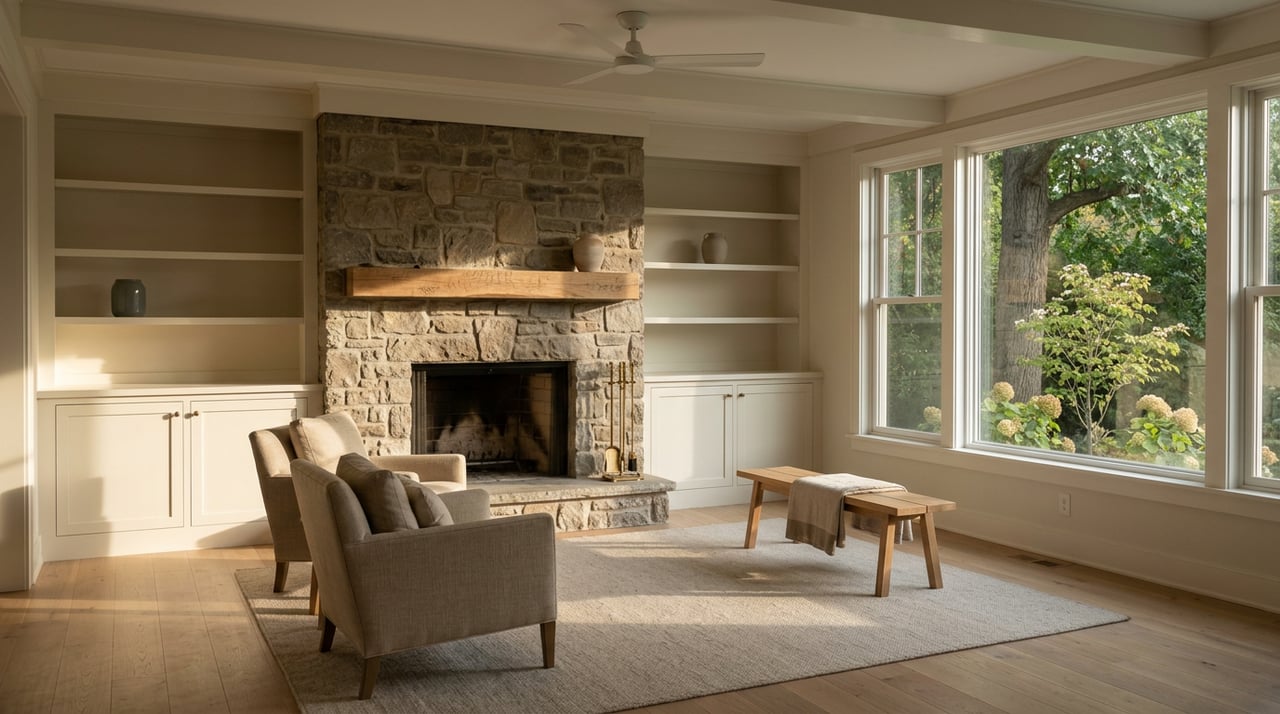
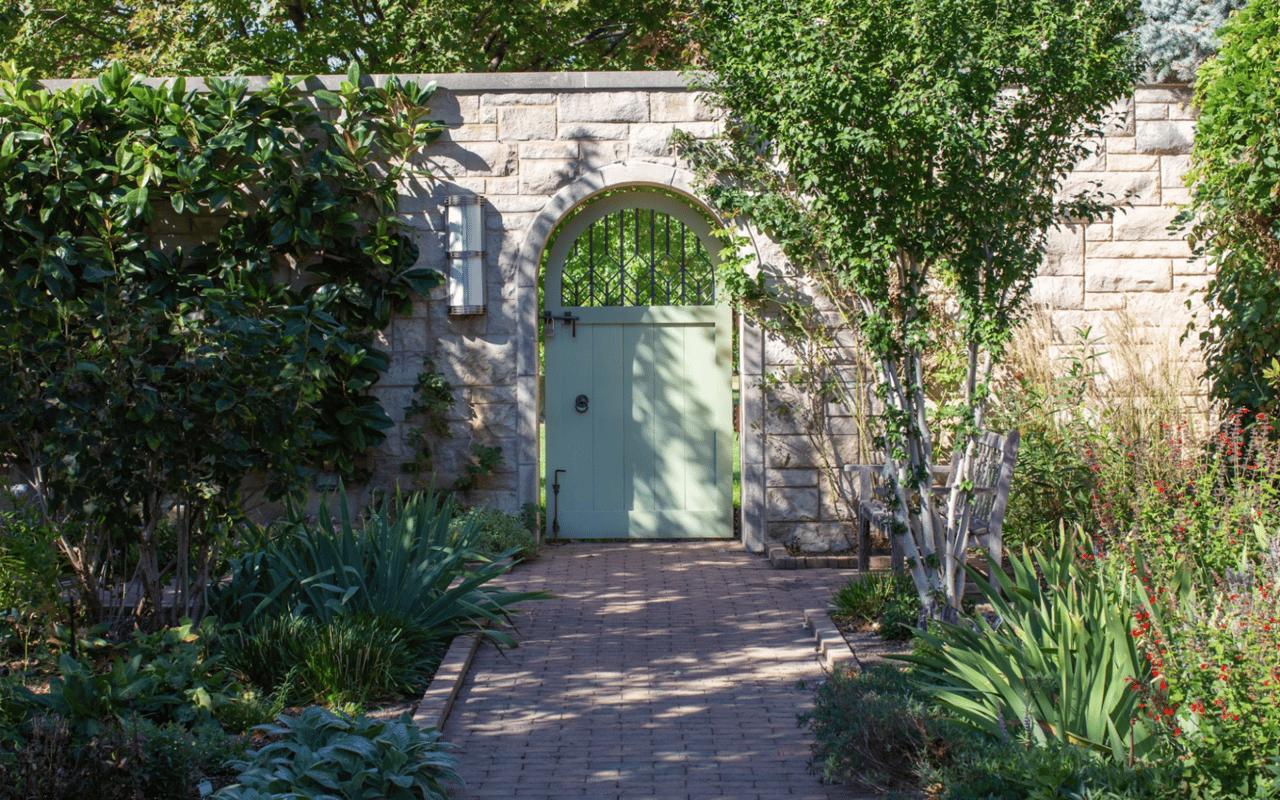
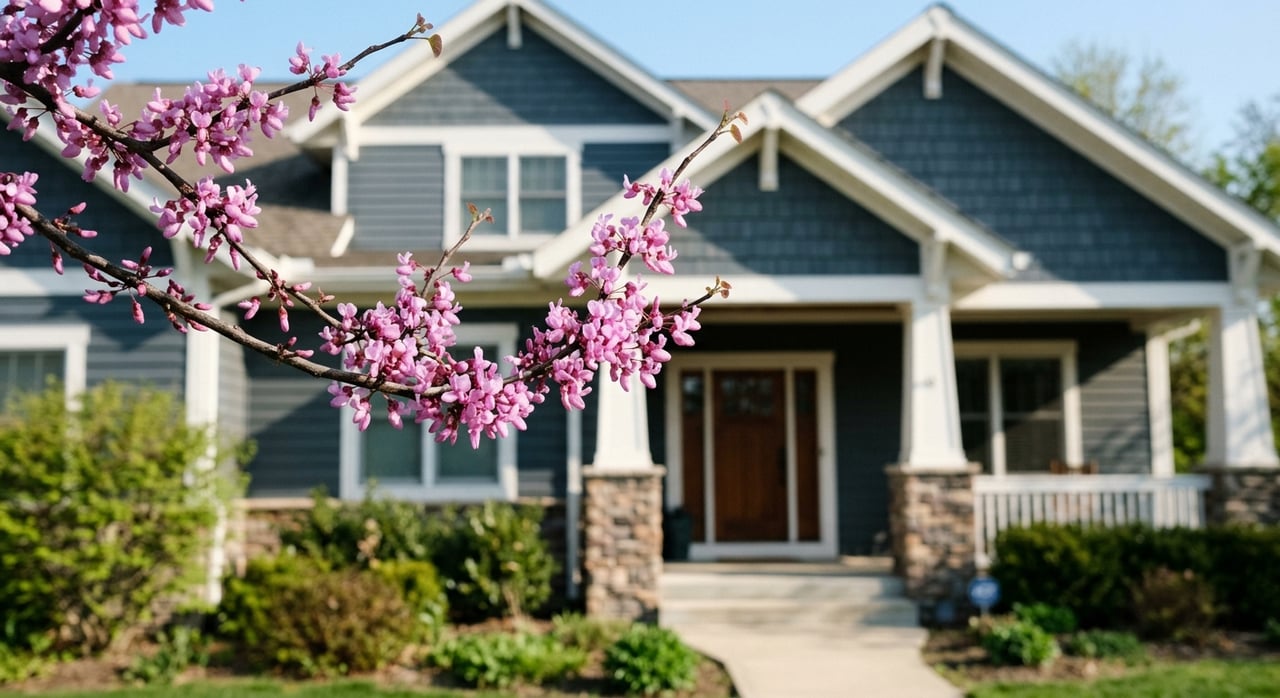
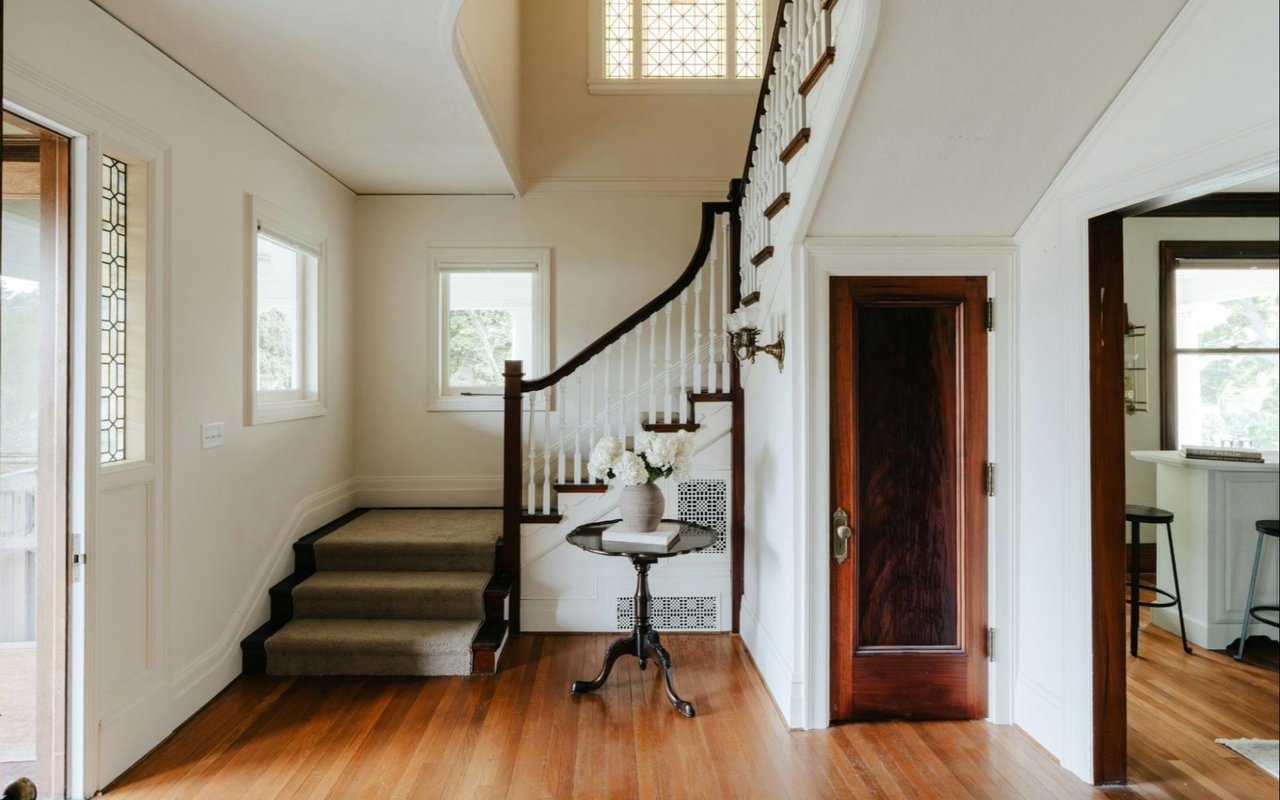
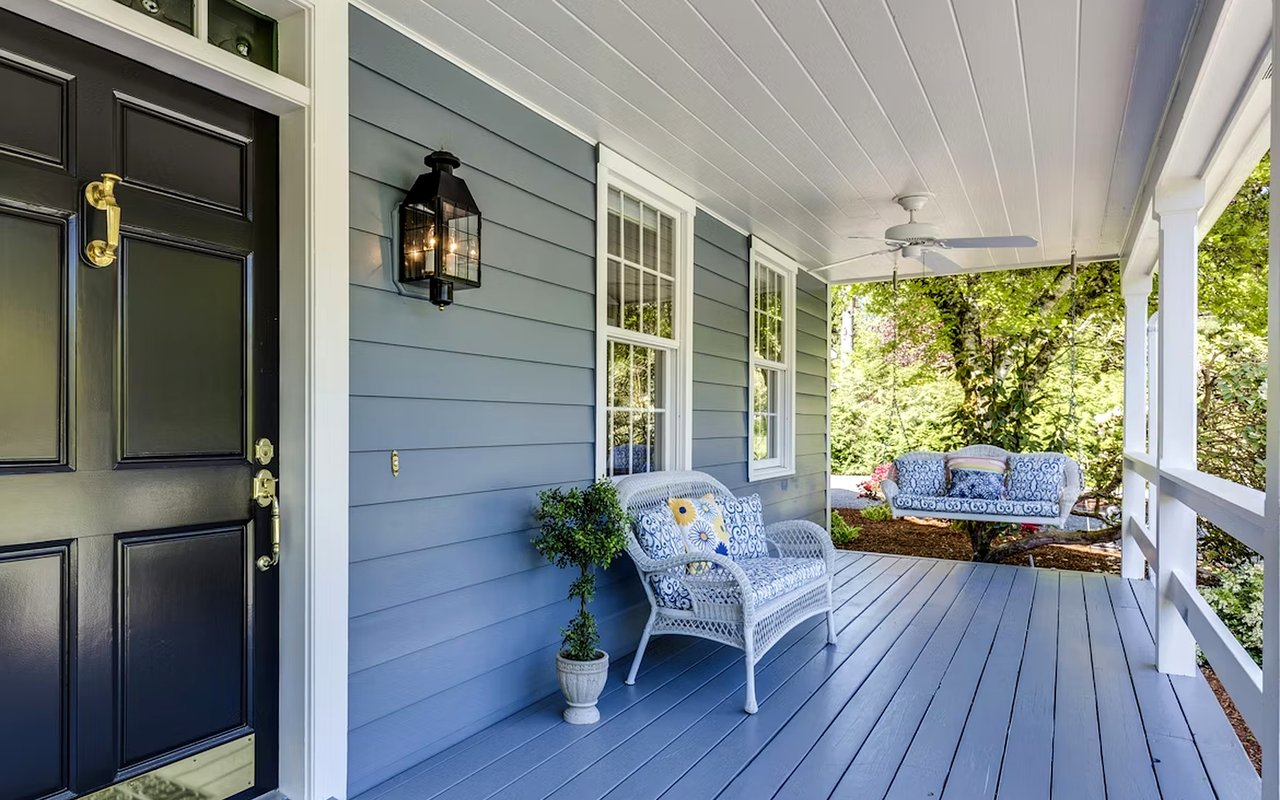
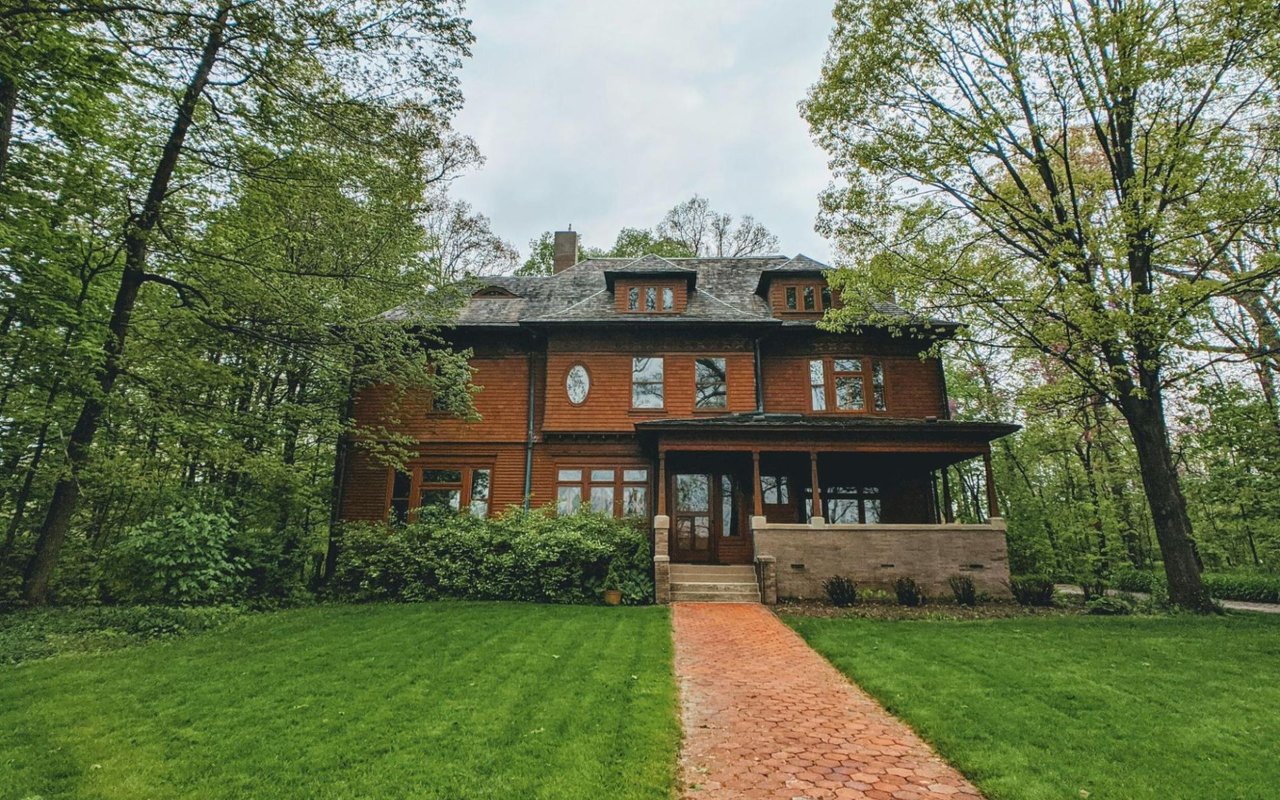
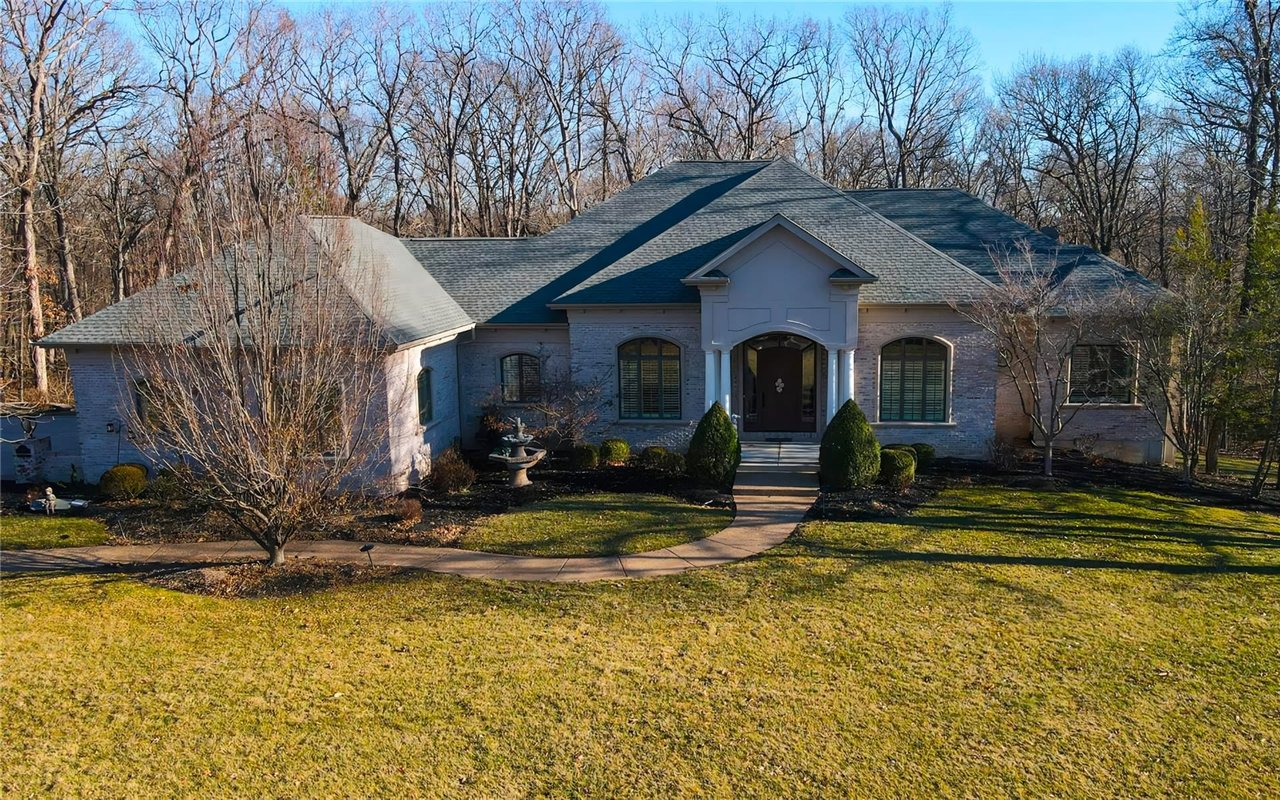
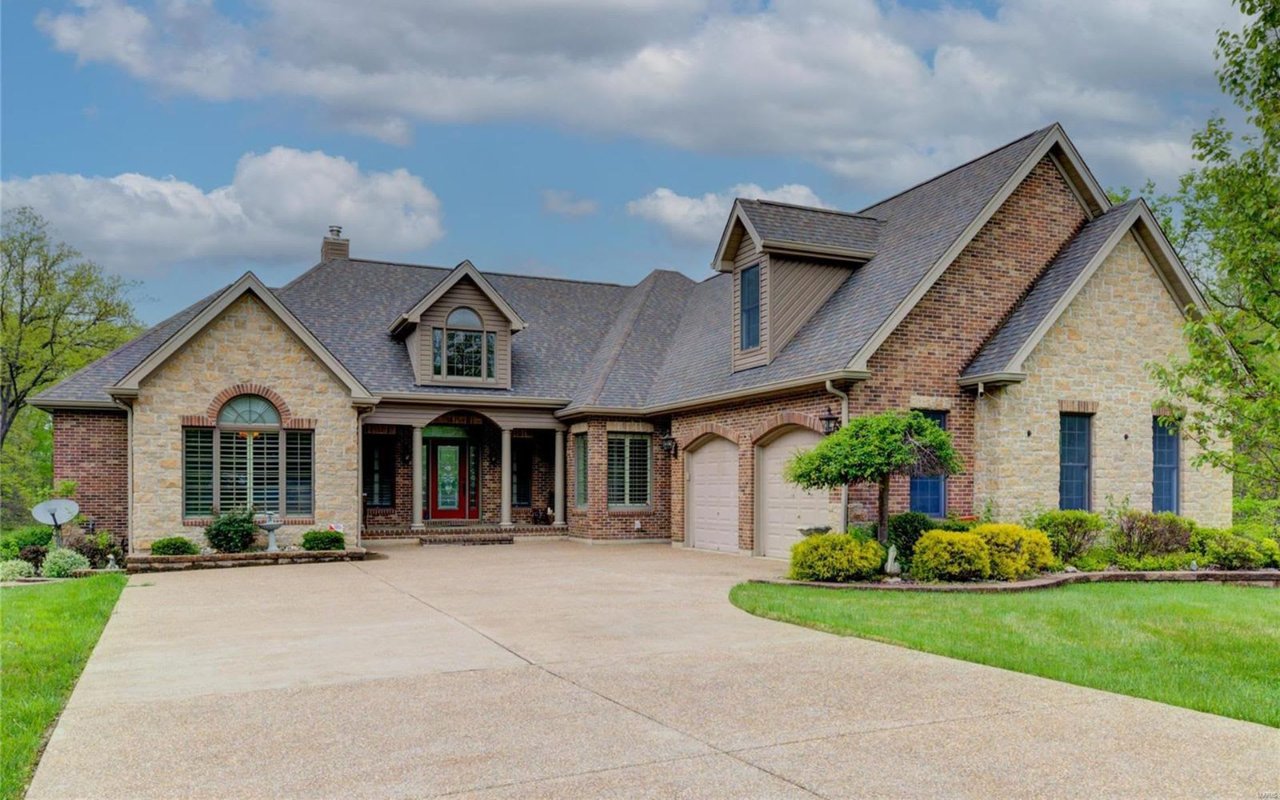
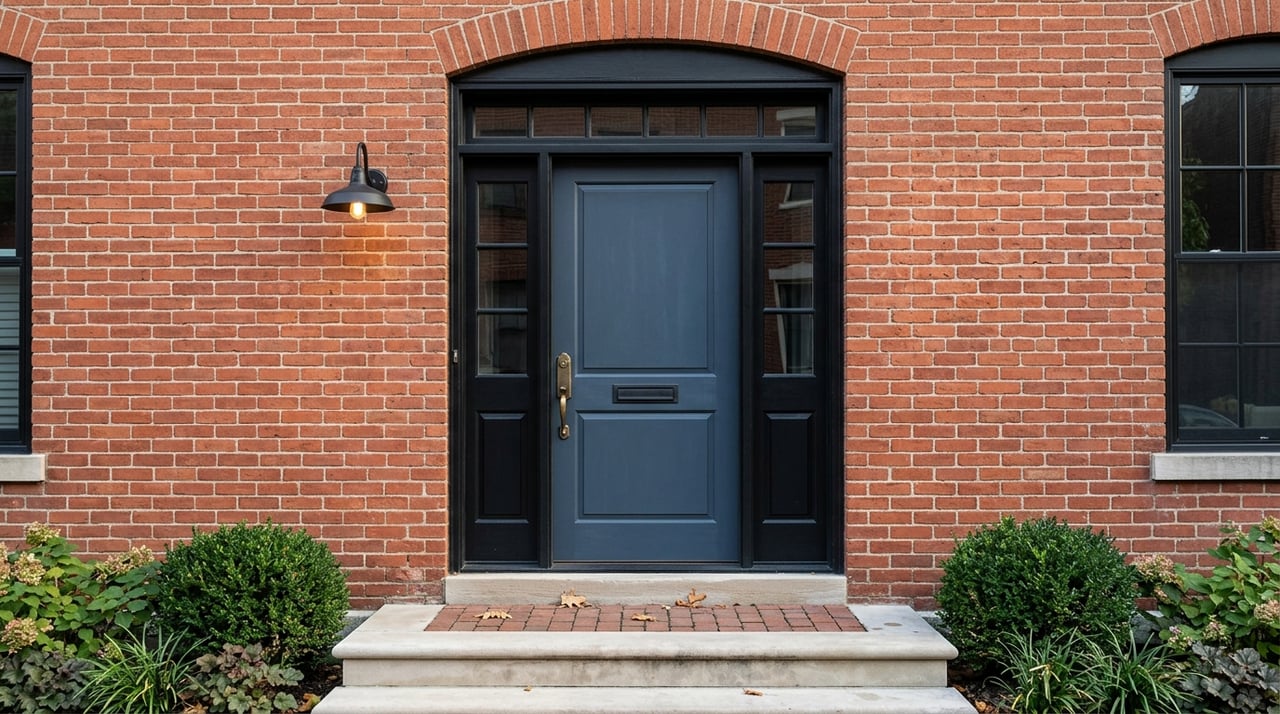
If you tour older homes near Main Street or in other historic districts, you may notice details that give these properties their lasting appeal. Common features include brick and stone exteriors, side-gabled or mansard roofs, dormers, double-hung windows, wooden shutters, parapets, balconies, galleries, and original porches.
In many cases, the streetscape is part of the value too. The city’s guidelines emphasize preserving original façade materials, open porches, traditional street patterns, and historic storefront elements when they still exist.
Why Buyers Love Historic Homes
Historic homes often appeal to buyers who want a walkable location, established surroundings, and architecture with real individuality. The city’s design guidelines are meant to preserve historic character while still allowing continued use, so these areas are not intended to be frozen in time.
That balance can be a big advantage if you want a home with personality and a location that feels rooted in St. Charles history. For the right buyer, that sense of place is hard to replace.
What to Watch With Older Homes
Older homes can also come with more upkeep. Preservation guidance notes that maintenance is an ongoing process, and moisture is a common cause of deterioration. In practical terms, homes with original masonry, porches, windows, or trim may need more specialized care over time.
If you are considering a home built before 1978, lead-based paint due diligence matters too. Buyers of most pre-1978 homes have the right to know about known lead-based paint hazards before signing.
New Builds and Newer Homes in St. Charles
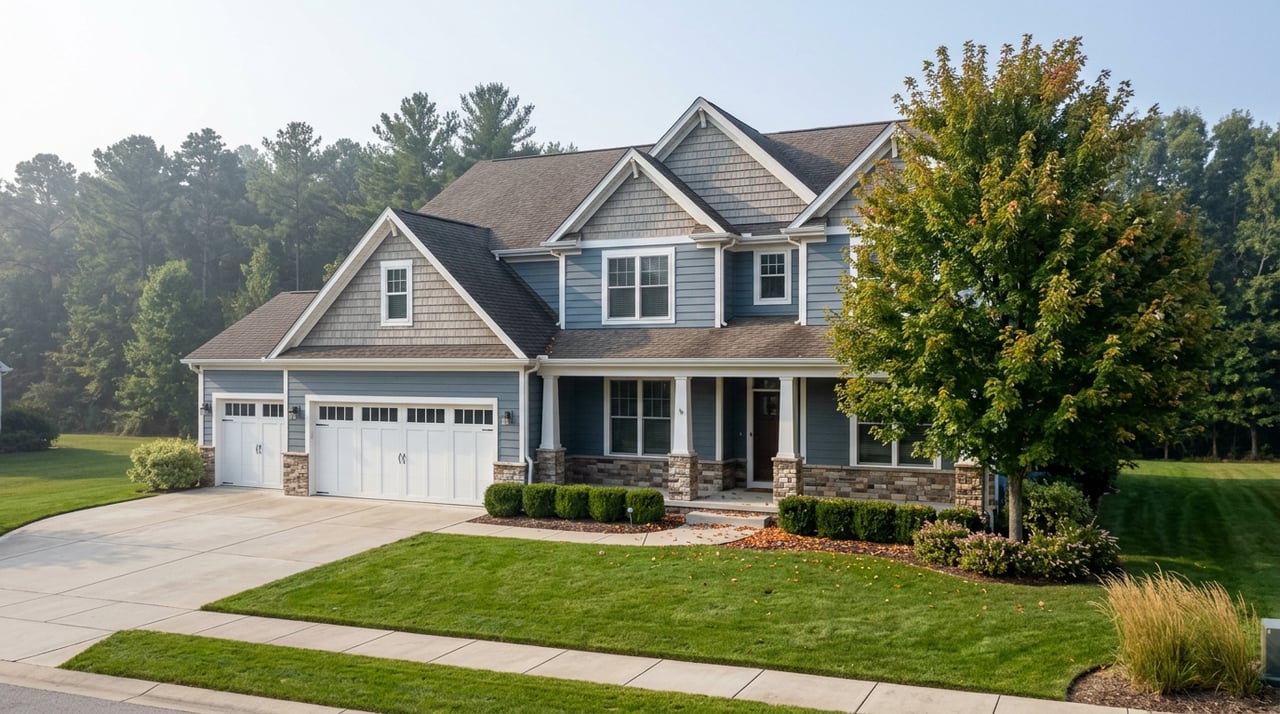
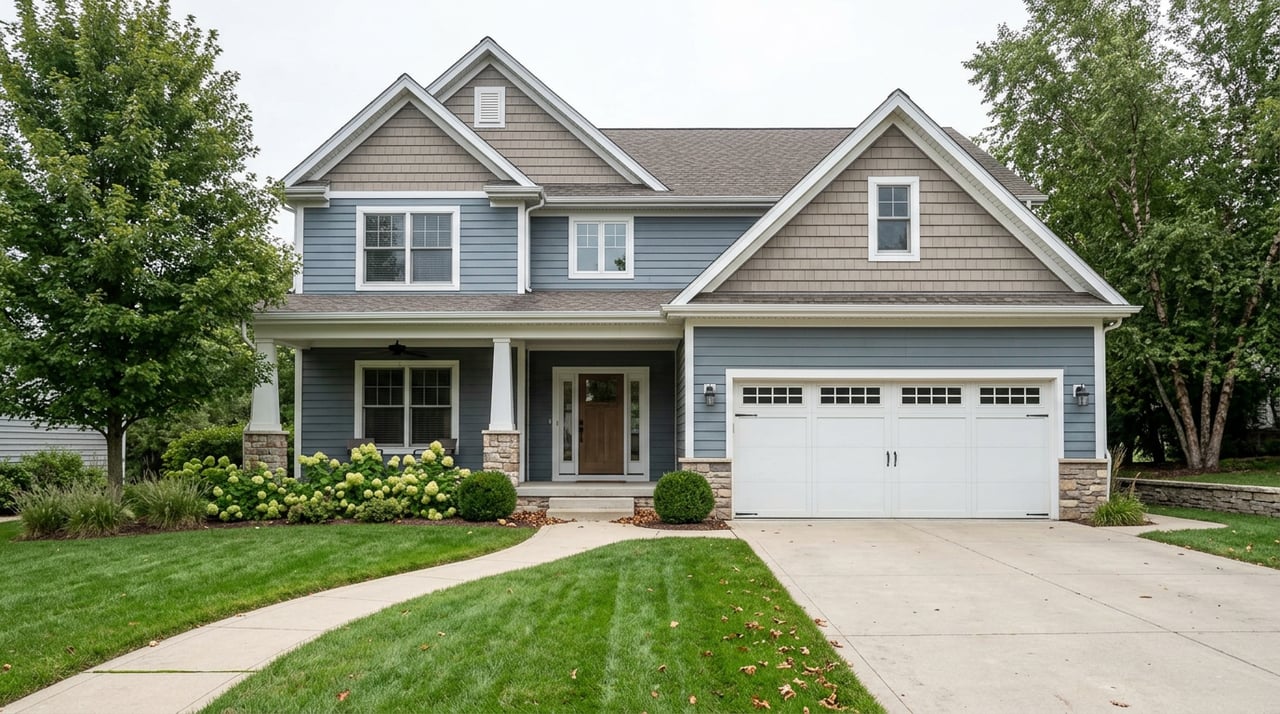
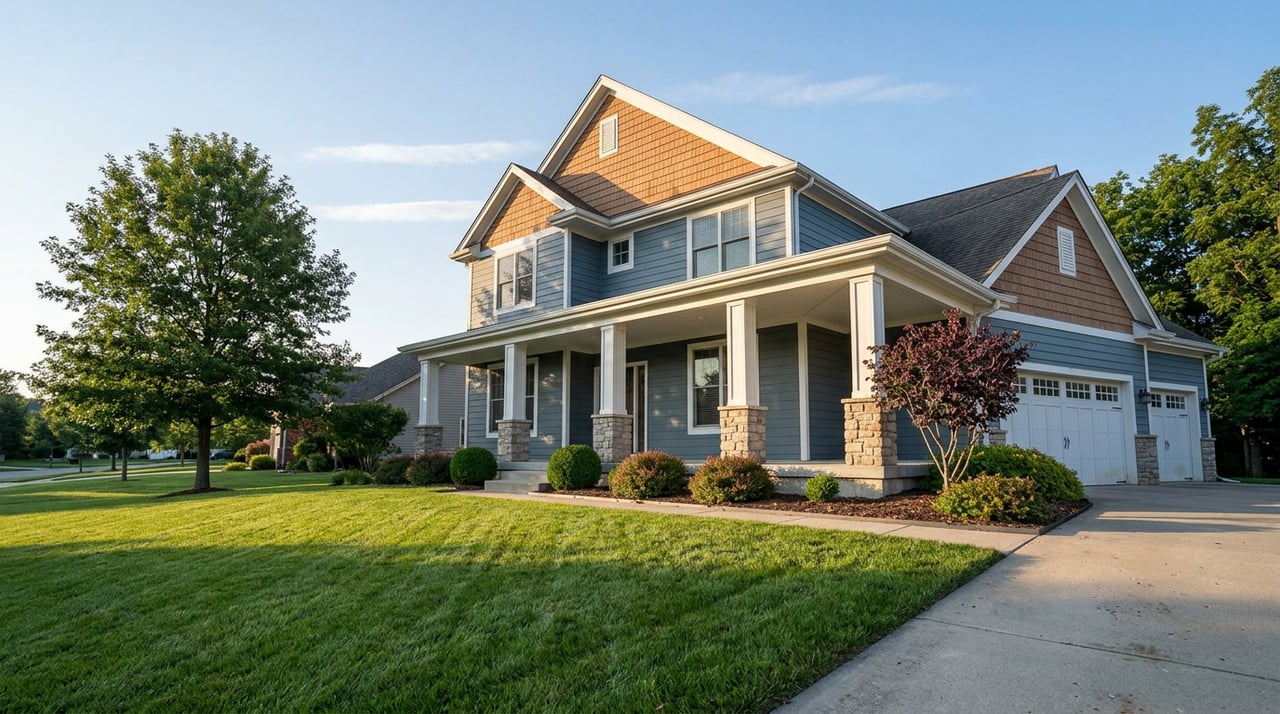
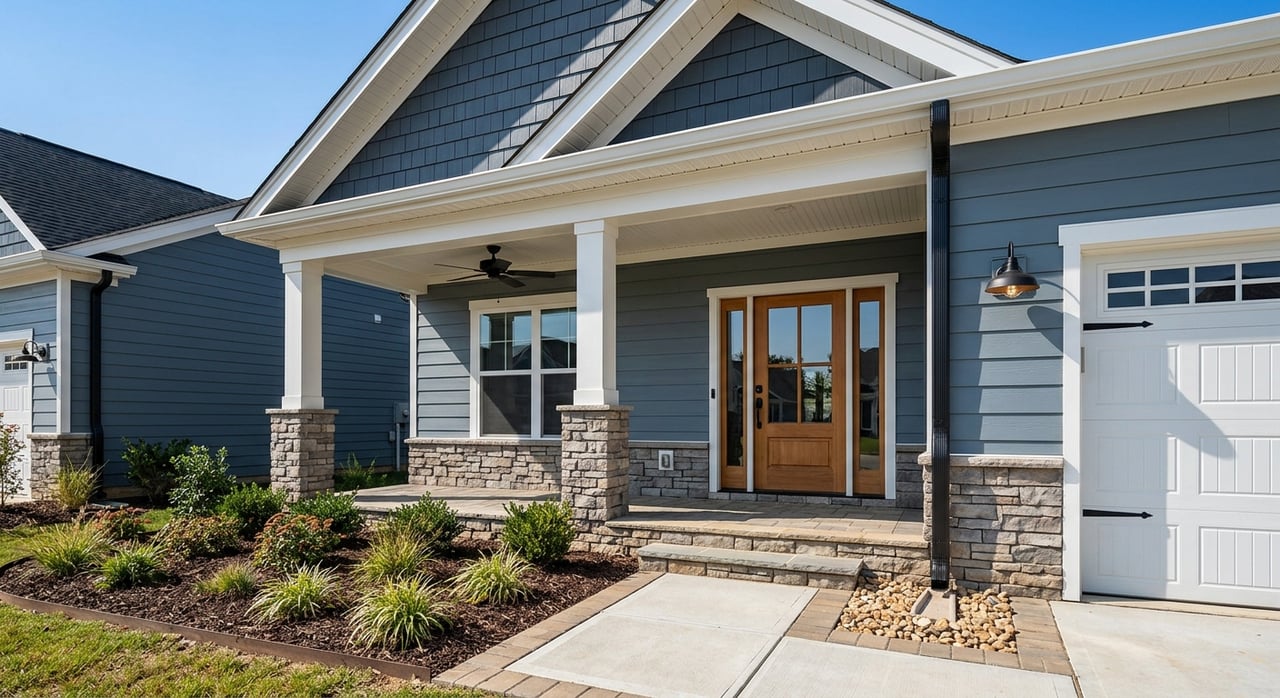
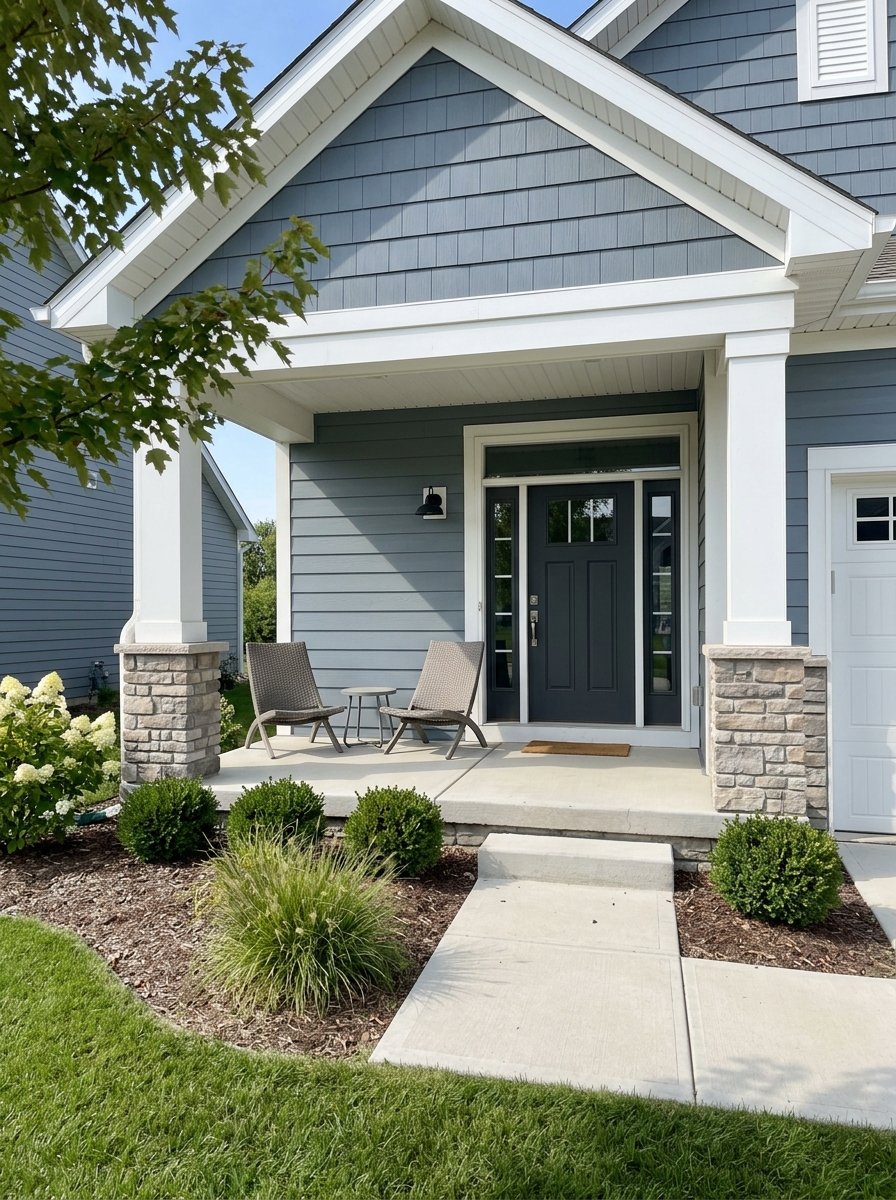
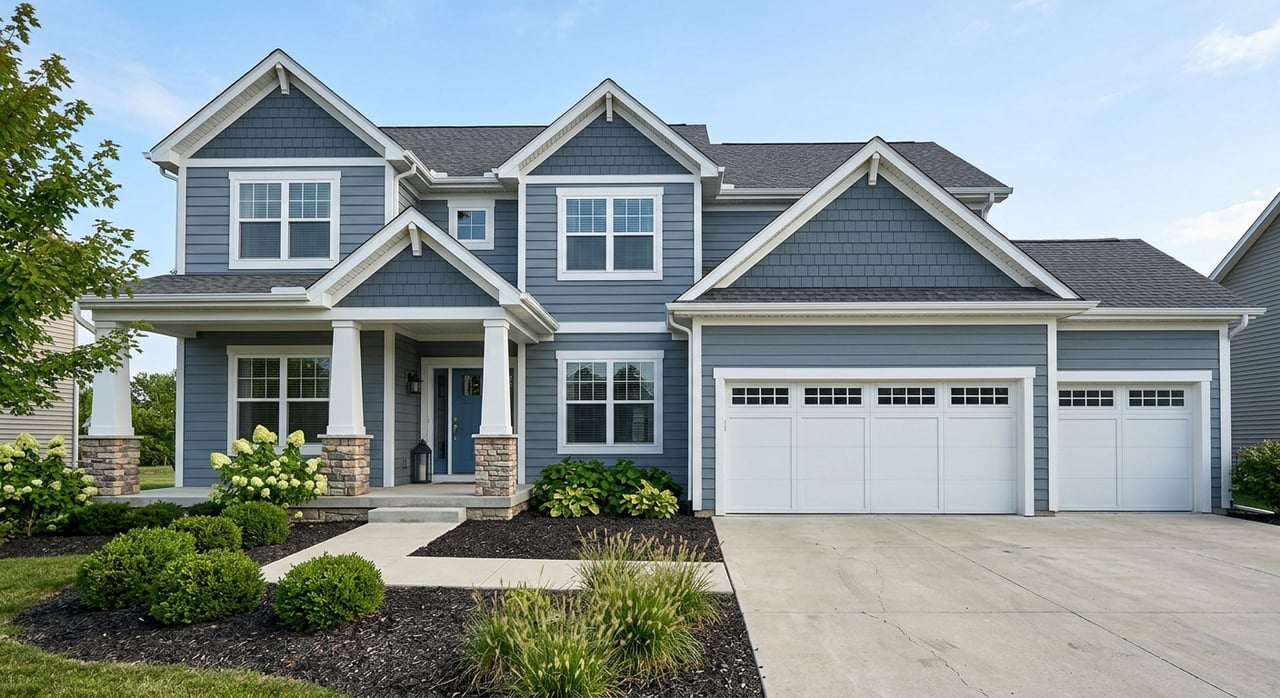
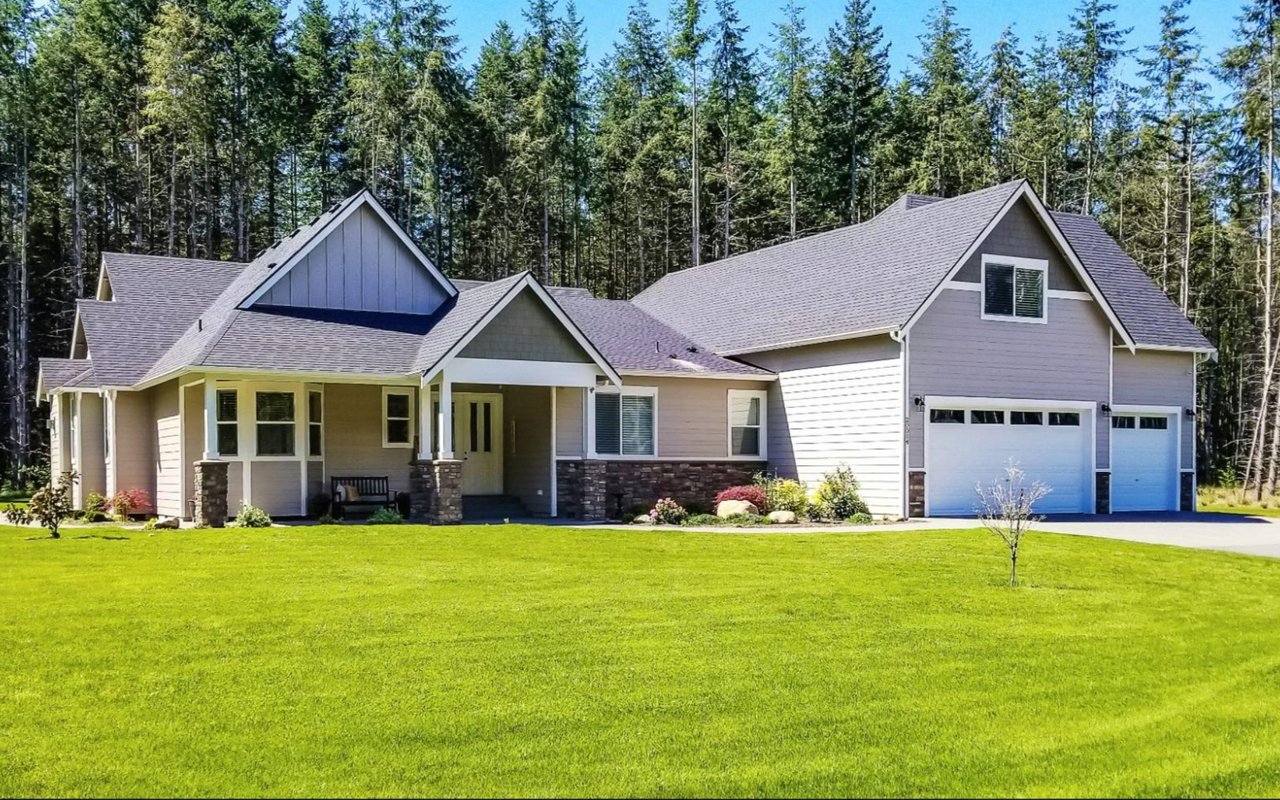
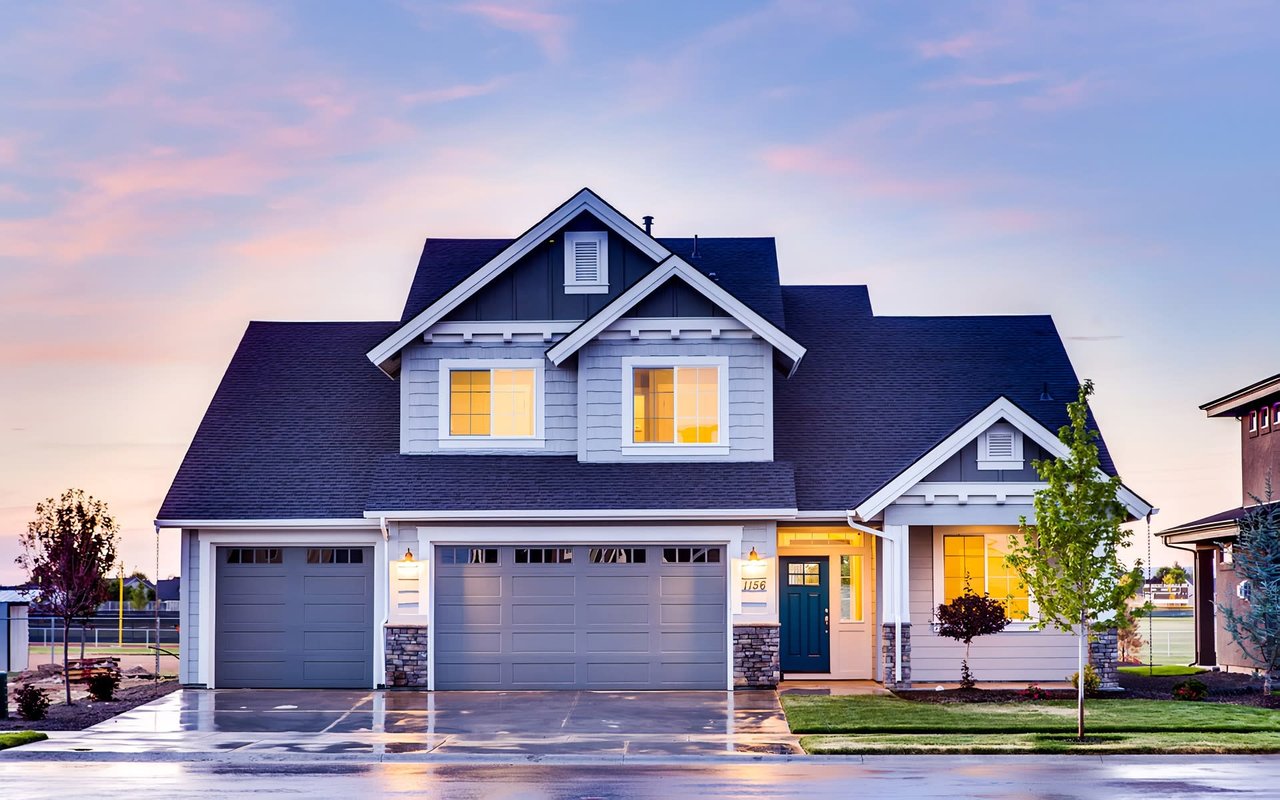
If historic charm is not your top priority, newer homes in St. Charles offer a different kind of value. In many of the city’s newer growth areas, development is guided by regulating plans such as New Town, Streets of St. Charles, and St. Charles Riverpointe.
These communities are shaped less by preservation rules and more by planning standards that aim for a coherent, pedestrian-aware layout. That often means a more predictable look and feel across the neighborhood.
What Newer Development Prioritizes
Newer planned areas in St. Charles often focus on street design, sidewalks, tree placement, and pedestrian-friendly features. New Town’s regulating plan describes streets designed to balance car and pedestrian needs, while Riverpointe highlights a strong street grid, wide sidewalks, street trees, native planting, and pedestrian-oriented amenities.
Some plans also address window proportions, garage visibility, utility placement, and materials. That is a different goal than historic preservation. The focus is consistency and function, not restoration of original historic features.
Why Buyers Choose Newer Homes
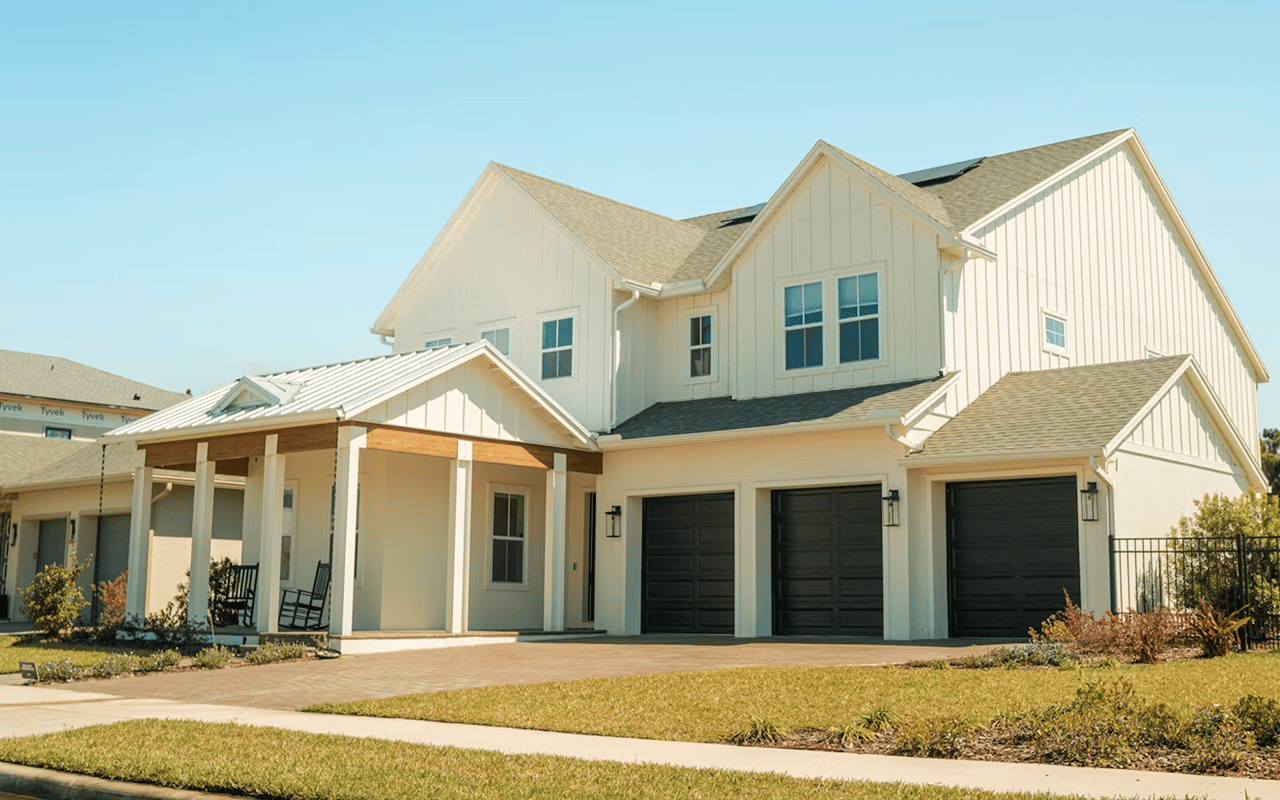
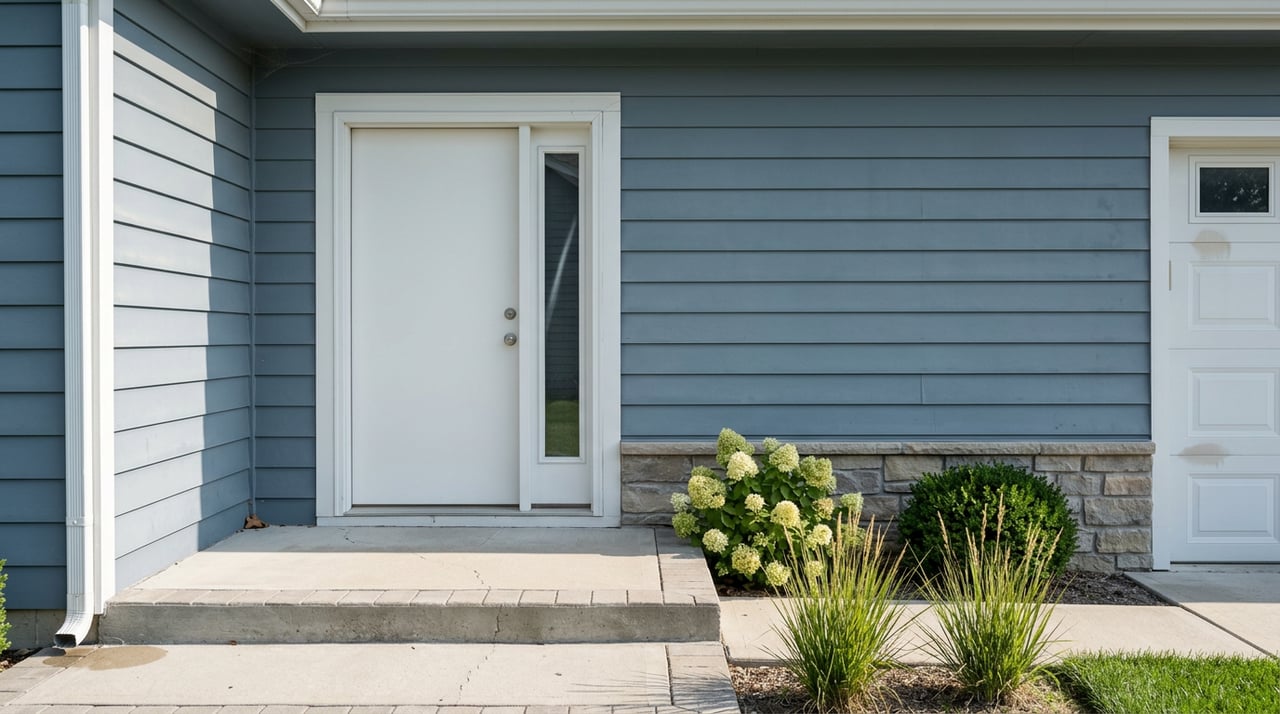
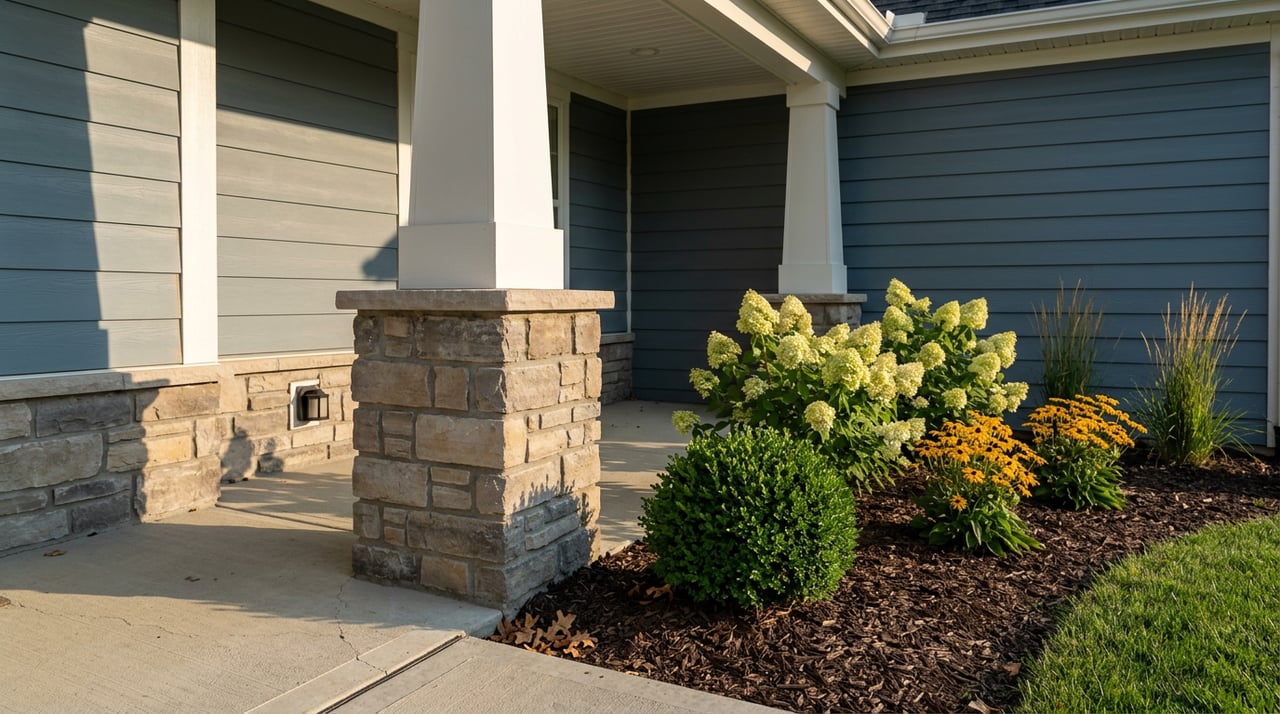
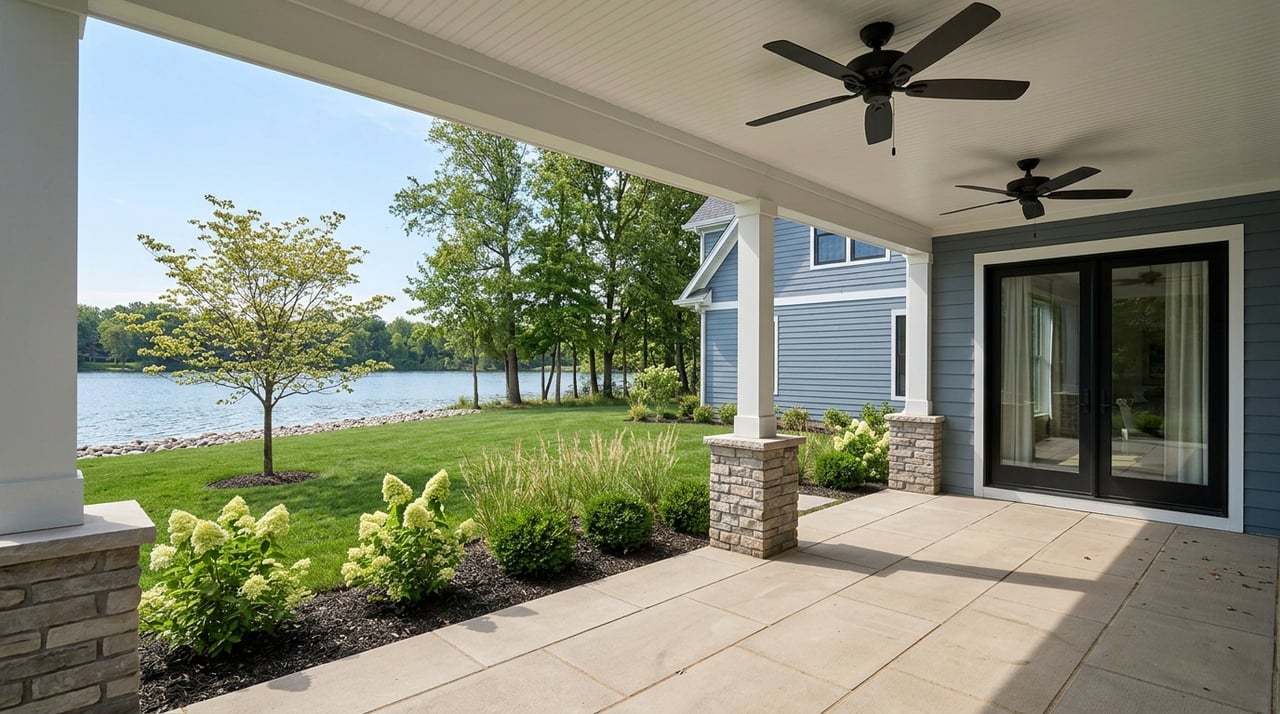
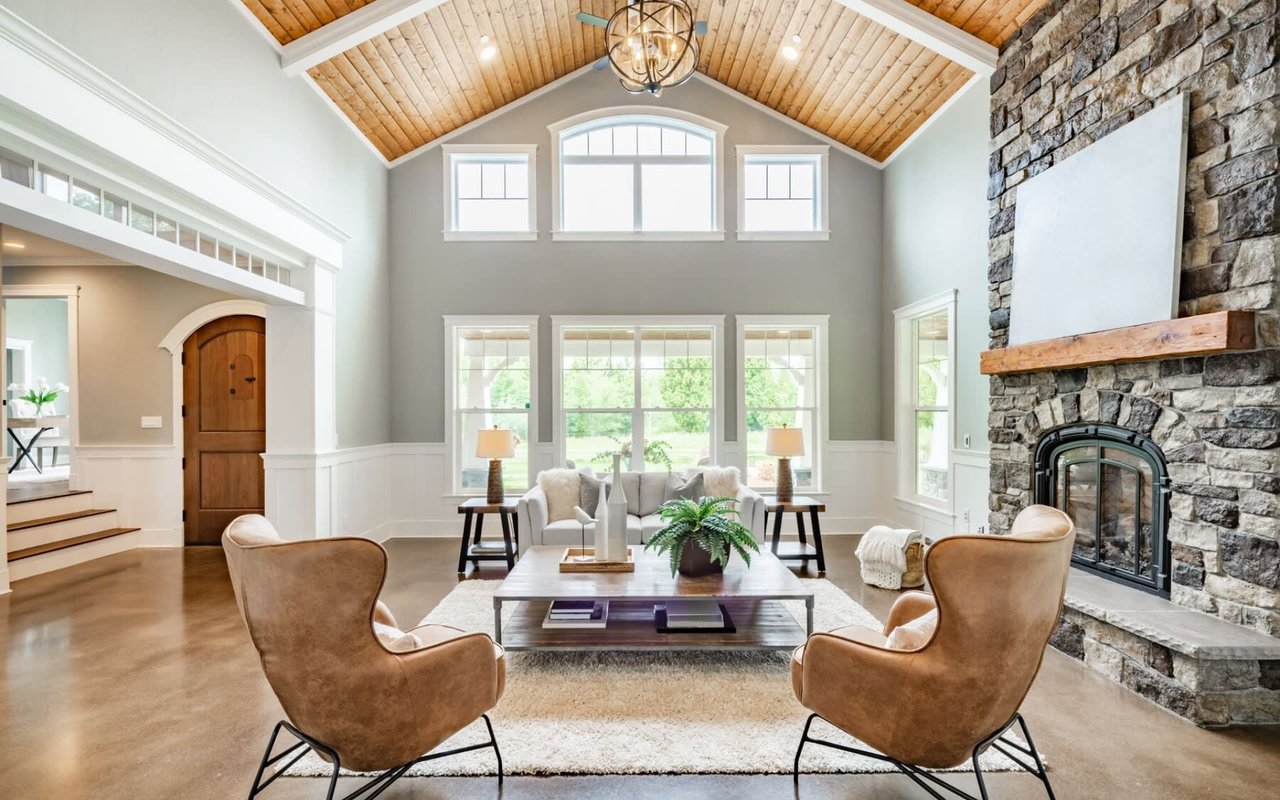
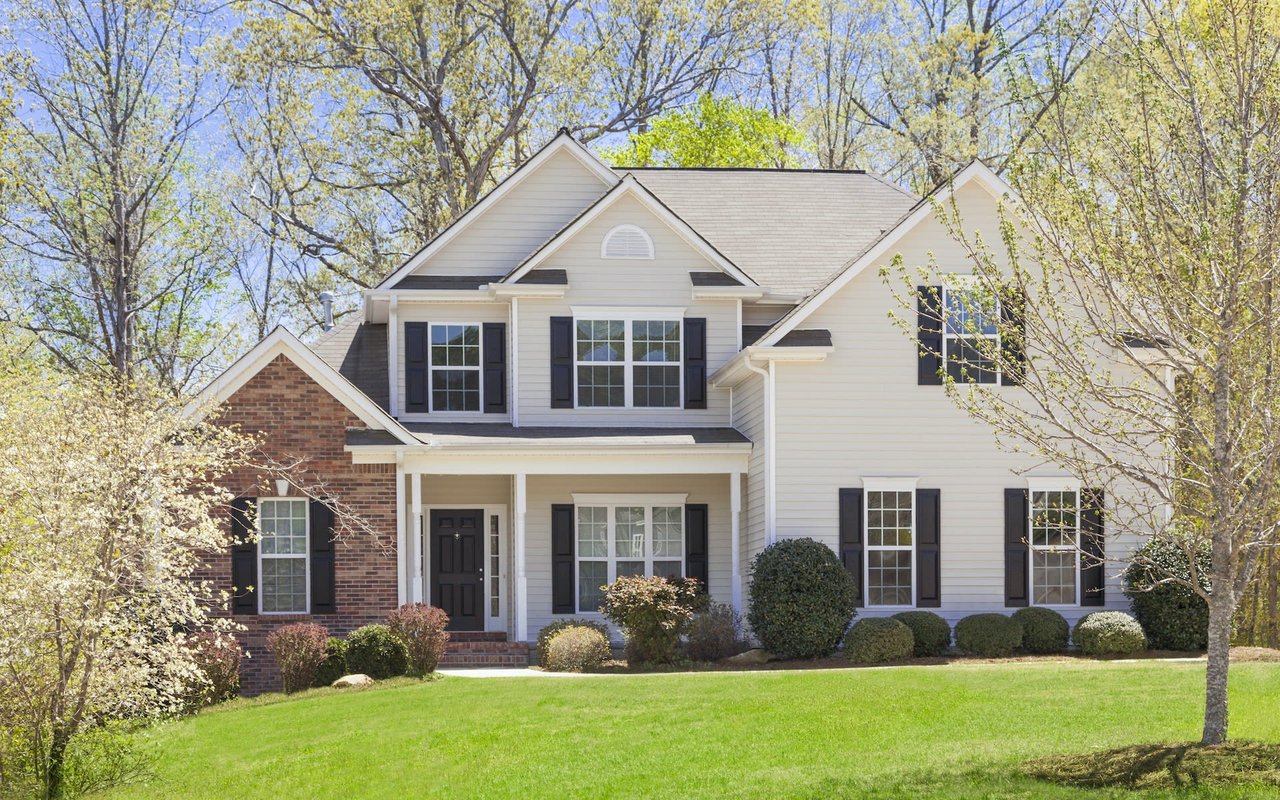
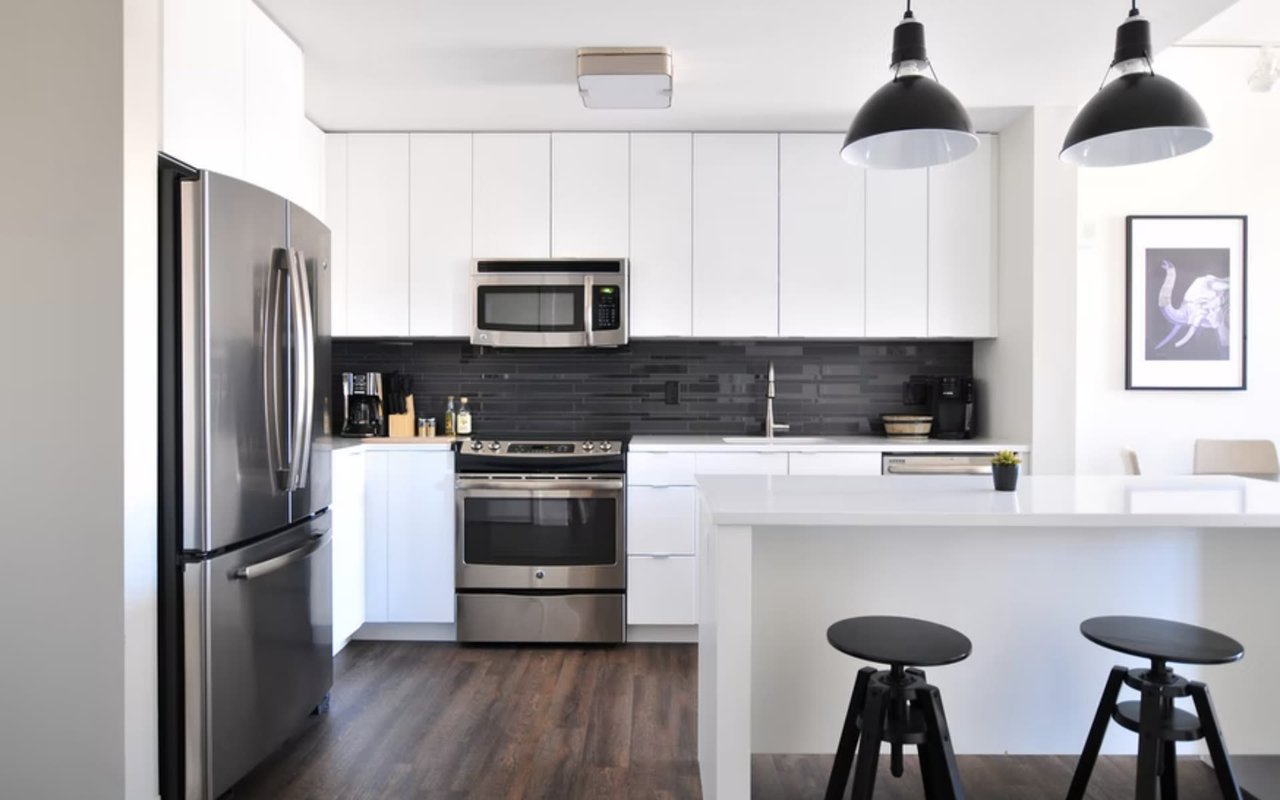
Newer homes usually appeal to buyers who want modern systems, more standardized floor plans, and less immediate maintenance. They can be especially attractive if you want a move-in-ready home and prefer fewer near-term repair surprises.
Energy performance may be part of the appeal as well. New homes are often built to more current efficiency standards, and home energy ratings are more commonly used in newly constructed homes.
Historic vs. New: A Quick Comparison
If you are trying to decide between the two, it helps to compare how each option affects your day-to-day life.
| Factor | Historic Home | Newer Home |
|---|---|---|
| Architecture | Distinctive period details and original materials | More standardized design and layouts |
| Location feel | Often in established, walkable historic areas | Often in planned communities with modern layout |
| Maintenance | Can require ongoing specialized upkeep | Usually lower immediate maintenance baseline |
| Renovation rules | Exterior changes may require local approval | Rules may come from subdivision or regulating standards |
| Energy profile | May need evaluation and upgrades over time | Often built with more current systems and standards |
| Buyer fit | Best for buyers who value character and context | Best for buyers who value predictability and convenience |
Renovating a Historic Home in St. Charles
If you love the idea of restoring or updating an older property, it is important to understand the local process before you buy. In many historic district properties, Landmarks Board approval is required before exterior changes such as window replacement, door replacement, siding, porch replacement, demolition, new construction, and fence installation.
The city also states it will not issue a construction permit without the required Certificate of Appropriateness. Some routine maintenance may not need approval, but buyers should confirm that early rather than assume.
Why Approval Timing Matters
This process does not mean renovation is off the table. It means renovation requires more planning. If a home’s value is tied to original windows, porches, or masonry, you will want to understand what changes are allowed, what approvals are needed, and what type of contractor experience may help.
For some buyers, that structure is a benefit because it helps protect the character of the area. For others, it may feel restrictive compared with a newer home.
Possible Historic Tax Credit Benefit
Missouri historic tax credits may be available for qualified rehabilitation work, including owner-occupied homes. Missouri State Parks says the state credit is 35% outside St. Louis and Kansas City, and the review for tax credits is separate from local preservation-board review.
That does not guarantee eligibility for every project, but it is an important question to ask if you are considering a qualified historic renovation.
Floodplain Questions Matter Near the Riverfront
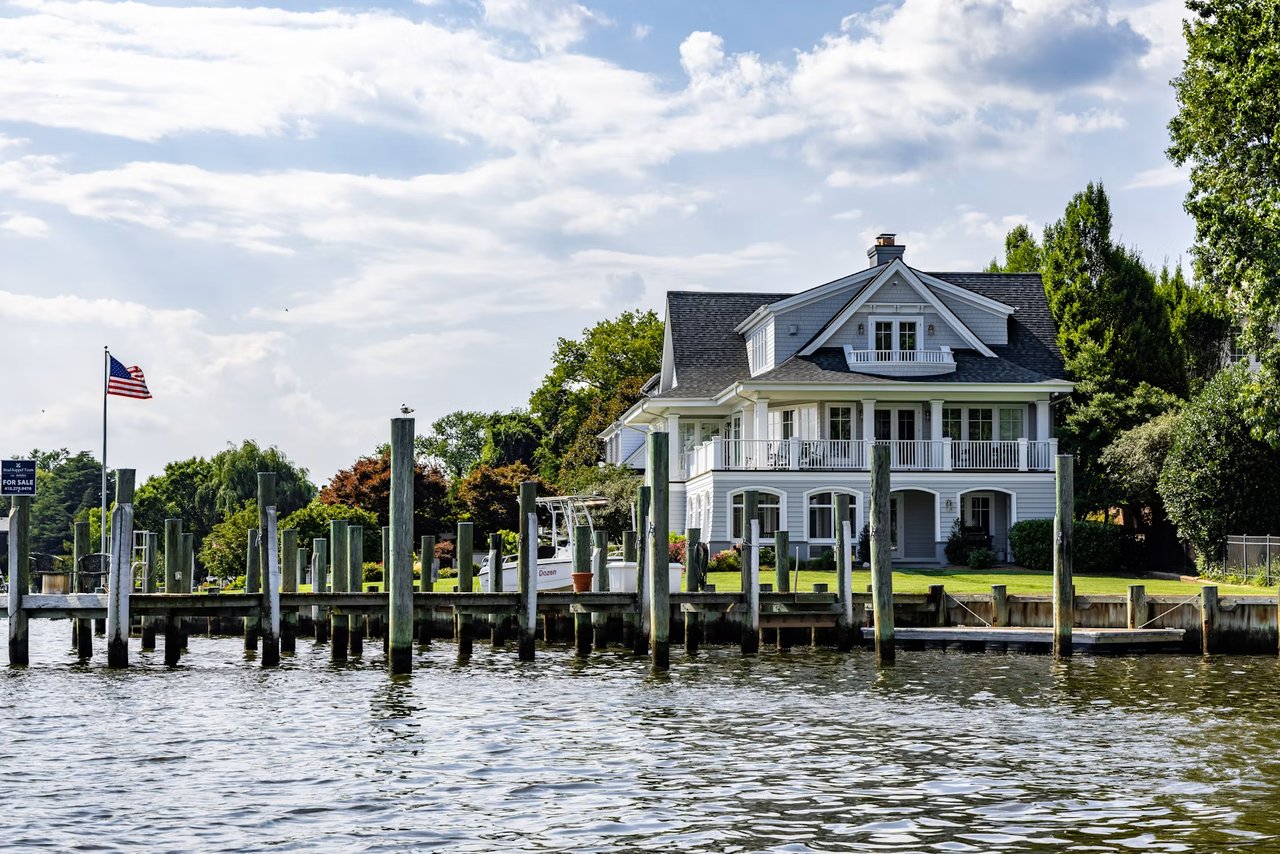
Because St. Charles includes riverfront areas, floodplain diligence is part of a smart buying process. The city participates in the National Flood Insurance Program, but it does not make an official floodplain determination for a specific parcel.
Instead, buyers need to use flood maps or obtain a professional determination. If a home is in a Special Flood Hazard Area, flood insurance is generally required when there is a mortgage.
How Flood Risk Affects Costs
Flood risk is not just about safety planning. It can affect your monthly budget and long-term resale. If flood insurance applies, it becomes part of your carrying costs along with maintenance, repairs, and utilities.
If you are looking near the riverfront or in low-lying areas, make floodplain review part of your decision before you write an offer.
Which Home Type Fits Your Lifestyle?
The best choice usually comes down to how you want to live. A historic home may be the better fit if you value architecture, a walkable setting, and the idea of caring for a home with a story.
A newer home may be the better fit if you want a more predictable ownership experience, current systems, and a lower-maintenance baseline. Neither option is automatically better. The right answer is the one that matches your priorities, budget, and comfort with ongoing upkeep.
What Resale May Look Like in St. Charles
The good news is that demand appears active across the city. As of April 2026, the median listing price in St. Charles was $375,000 with median days on market of 28, while the 63301 ZIP code also showed a median listing price of $375,000 and median days on market of 29.
That suggests buyers are active in both historic and non-historic parts of the market. In general, historic homes tend to win on location, authenticity, and condition, while newer homes tend to stand out for function, efficiency, and move-in readiness.
If you are weighing both options, the most important step is looking past surface style and understanding the ownership experience each one brings. If you want local guidance on neighborhoods, historic district questions, or how a home may fit your long-term plans, Cheri Norton can help you sort through the details with clarity and confidence.
FAQs
What should you know before buying a historic home in St. Charles?
- You should check whether the home is in one of the city’s historic districts, ask what exterior changes may require Landmarks Board approval, review likely maintenance needs, and complete lead-based paint due diligence if the home was built before 1978.
What makes newer homes in St. Charles different from historic properties?
- Newer homes are often located in planned developments shaped by regulating plans and design standards, and they usually appeal to buyers who want modern systems, more predictable layouts, and less immediate upkeep.
What flood insurance questions matter when buying near the St. Charles riverfront?
- You should confirm whether the property is in a Special Flood Hazard Area through flood maps or a professional determination, because flood insurance is generally required with a mortgage in those areas.
What approvals are needed to renovate a historic home in St. Charles?
- Many exterior changes on historic district properties require Landmarks Board approval and a Certificate of Appropriateness before the city will issue a construction permit.
What is the St. Charles housing market like for historic and newer homes?
- As of April 2026, St. Charles showed a median listing price of $375,000 and median days on market of 28, with 63301 at $375,000 and 29 days, indicating active demand across different property types.