Thinking about buying land or recreational property in Lincoln County? It can be an exciting move, whether you want a future homesite, a weekend escape, or acreage to enjoy outdoors. The key is knowing what to verify before you write an offer so you can move forward with confidence. Let’s walk through the big items that matter most.
Why Lincoln County Appeals to Land Buyers
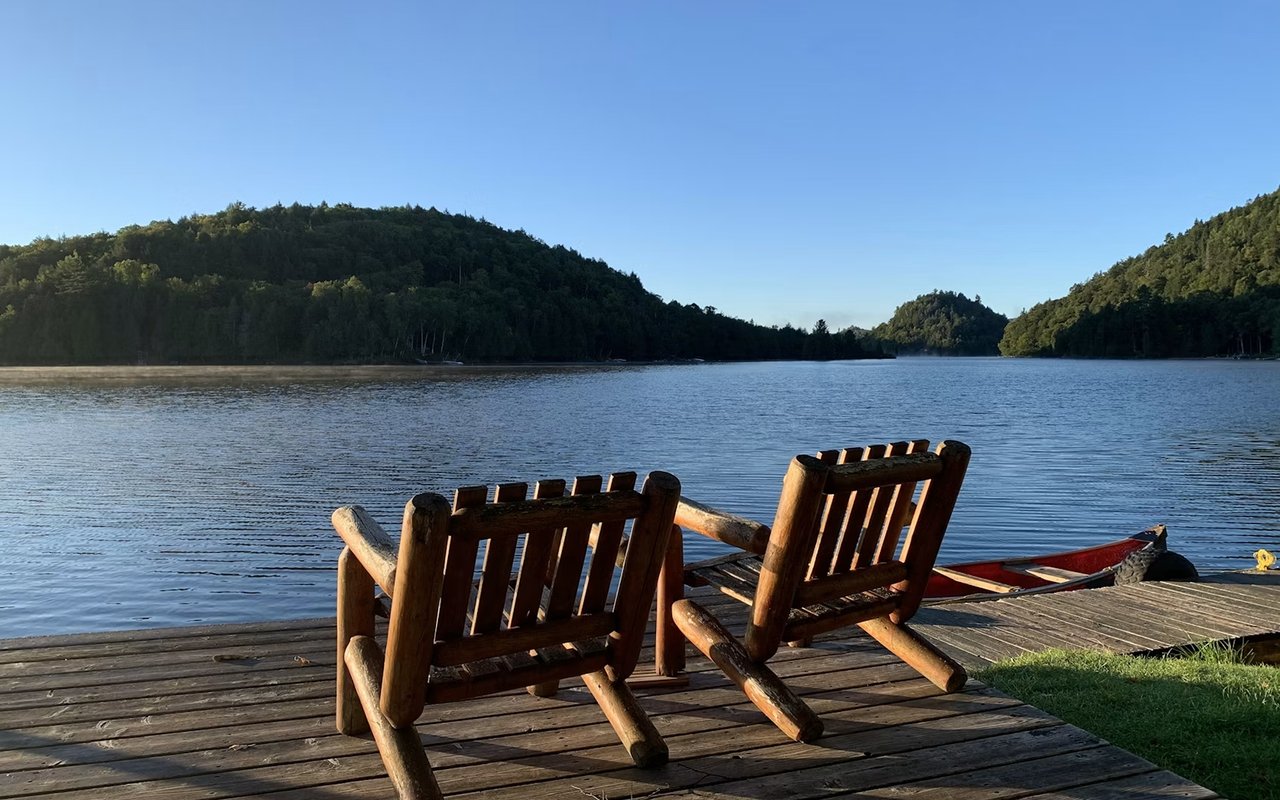
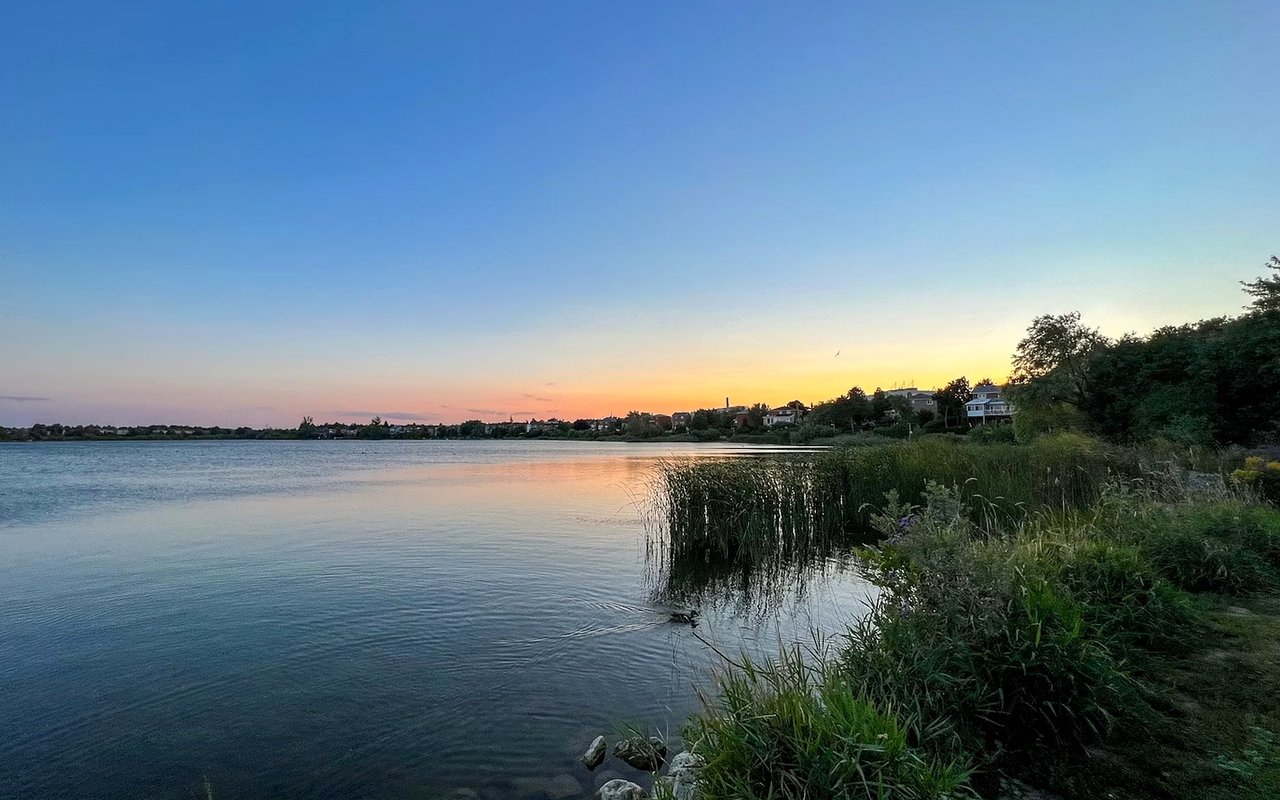
Lincoln County offers room to spread out and access to outdoor recreation that draws many buyers to land in the first place. For people who picture camping, hiking, fishing, boating, or simply having more space, the county has strong local appeal.
A helpful example is Cuivre River State Park, which Missouri State Parks describes as one of Missouri’s largest and most rugged parks. It offers primitive and modern campsites, trails, boating, fishing, swimming, backpacking, photography, and wildlife observation. If you are shopping for recreational property, that kind of setting helps show why Lincoln County stands out.
Check Whether the Property Is in City Limits
One of the first questions to ask is whether the parcel is in unincorporated Lincoln County or inside a city or town. That single detail can affect what rules apply to the property and who you need to contact before making plans.
Lincoln County says it does not have a dedicated planning and zoning department for unincorporated areas, and no county permits are required there, including occupancy permits and building permits. If the property is inside a municipality, you will need to check that city or town’s requirements separately.
Understand Which Local Offices Matter
Even when a county permit is not required in unincorporated areas, that does not mean every land question disappears. Different local offices still handle important parts of the process.
Lincoln County directs buyers to the local fire district for occupancy and electric codes, the health department for septic permitting, and the floodplain management office for floodplain permits. Knowing this early can save you time and help you avoid surprises after closing.
Review the Property Record Carefully
Land purchases often depend on details that are easy to miss if you only look at the listing sheet. Before you commit, it helps to review the public record and confirm how the tract is described and what documents affect it.
The Lincoln County Recorder of Deeds records deeds, mortgages, easements, surveys, plats, restrictions, and road rights-of-way. That means the record may show access issues, use limits, or easements that shape how you can use the property.
The Recorder of Deeds also says the office cannot give legal advice, perform title searches, determine ownership, or prepare deeds. Buyers are directed to work with a title company or real estate attorney for deeper title review.
Confirm the Legal Description and Survey
A land deal is only as clear as the boundaries and legal description behind it. Missouri law recognizes U.S. public land survey descriptions as the prevailing way to describe tracts, so you want to make sure the description in the contract and closing documents matches the property you believe you are buying.
A survey can be especially important when you are buying larger acreage, irregular tract shapes, or property with unclear corners or access points. If fences, drives, easements, or neighboring uses raise questions, getting clarity before closing is usually much easier than trying to sort it out later.
Check Septic, Well, and Water Options
Utilities are one of the biggest practical issues with rural and recreational property. Before writing an offer, make sure you know whether the land has an existing septic system, whether a new one may be needed, and what water source is available.
The Lincoln County Health Department is the regulatory authority for local and state-level ordinances involving on-site sewage disposal systems. It inspects new septic installations and major repairs that require permits through its office.
The department also notes that deeds, building permits, and design plans may show whether a septic system already exists. For private wells, the health department offers water test kits, while public or community water supplies are regulated by the Missouri Department of Natural Resources.
PWSD #1 of Lincoln County also publishes rules and regulations for water and sewer service connections. If utility access is a major part of your plan, this is worth checking early in your due diligence period.
Find Out if the Land Is in a Floodplain
Floodplain status can affect both your plans and your costs. If you hope to build, add improvements, or change the site, this is not a detail to leave until the last minute.
Lincoln County says floodplain development permits are required for any improvements, construction, or development within the floodplain. That makes floodplain review an important step before you move ahead with a purchase, especially if the property includes low-lying ground or creek frontage.
Ask About Prior Property Use
Some land has a straightforward history, and some does not. If a parcel had an unusual prior use, you should ask direct questions and review disclosures carefully.
Missouri law requires written disclosure when a seller knows the property was contaminated with radioactive material or other hazardous material. This is one more reason to make thorough due diligence part of your offer process.
Know How Property Taxes May Work
Land buyers are often surprised that property taxes can vary based on classification and use. In Missouri, property tax is ad valorem, which means it is based on property value.
The Missouri State Tax Commission says real property is assessed as of January 1 of odd-numbered years. Residential real property is assessed at 19 percent of true value, agricultural or horticultural property at 12 percent of productive use value, and all other property at 32 percent.
The same source says agricultural or horticultural land in actual use is valued by productive use, while vacant and unused agricultural land is valued at fair market value. If you are buying acreage and expecting a certain tax treatment, it is smart to verify how the property is currently assessed and how your intended use may affect it.
Lincoln County’s tax collector handles current and delinquent property taxes for the county and other taxing jurisdictions, including schools, cities, fire districts, ambulance, drainage, and NIDs. In other words, your total tax picture may include more than just the county portion.
Explore Financing Based on Intended Use
Financing for land and recreational property is not one-size-fits-all. The best fit often depends on whether the property will be a primary residence, a farm purchase, or mainly recreational acreage.
USDA Rural Development says its Section 502 Guaranteed Loan program is for eligible rural areas and primary residences. It can finance a site with a new or existing dwelling, but not income-producing property.
For farm or ranch purchases, USDA Farm Service Agency Direct Farm Ownership Loans can help farmers and ranchers purchase or enlarge family farms and related improvements. USDA says those loans can offer up to 100 percent financing.
Because financing rules depend heavily on how you plan to use the land, it helps to talk with your lender early. A parcel that works for one loan program may not fit another.
Build the Right Buyer Team
Land transactions usually require a few more moving parts than a typical home purchase. Having the right people involved early can help you spot issues before they become expensive problems.
A practical buyer-side team in Lincoln County often includes:
- A surveyor
- A title company or real estate attorney
- A lender
- The county assessor
- The Recorder of Deeds
- The health department
- The floodplain office
The county assessor offers real estate search, GIS mapping, and tax estimate tools. Those resources can help you evaluate parcel location, boundaries, and tax context before you move too far down the road.
Smart Questions to Ask Before Making an Offer
If you are comparing multiple properties, a simple checklist can help you stay organized. These are some of the most useful questions to ask during your early review.
- Is the parcel in city limits or unincorporated Lincoln County?
- Are septic and water available, existing, or still unknown?
- Is any part of the tract located in a floodplain?
- How is the property currently assessed for taxes?
- Is a recent survey available?
- What type of financing fits the way you plan to use the property?
- Are there recorded easements, restrictions, plats, or rights-of-way that affect access or use?
A Careful Start Can Save You Stress Later
Buying land or recreational property in Lincoln County can open the door to a lot of possibilities. It can also come with questions that are very different from buying a house in a subdivision. When you slow down, verify the details, and build the right team around you, you put yourself in a much stronger position.
If you are considering acreage, recreational land, or a future homesite in Lincoln County, working with an experienced local team can make the process feel much more manageable. Reach out to Cheri Norton for knowledgeable guidance and a steady, detail-focused approach.
FAQs
What permits are required for land in unincorporated Lincoln County?
- Lincoln County says no county permits are required in unincorporated areas, including occupancy permits and building permits, but buyers should still check with the fire district, health department, and floodplain office as needed.
What should buyers review in Lincoln County property records?
- Buyers should review recorded documents such as deeds, easements, surveys, plats, restrictions, mortgages, and road rights-of-way to better understand access, boundaries, and possible use limits.
How do septic rules work for Lincoln County land purchases?
- The Lincoln County Health Department oversees on-site sewage disposal systems and inspects new septic installations and major repairs that require permits through its office.
Why does floodplain status matter for Lincoln County recreational property?
- If land is in a floodplain, Lincoln County says floodplain development permits are required for improvements, construction, or development within that area.
How are property taxes assessed on land in Missouri?
- Missouri property tax is based on value, and assessment can vary by classification, with residential real property assessed at 19 percent of true value, agricultural or horticultural property at 12 percent of productive use value, and all other property at 32 percent.
What professionals should help with a Lincoln County land purchase?
- A strong buyer team often includes a surveyor, title company or real estate attorney, lender, county assessor, Recorder of Deeds, health department, and floodplain office.