By the Cheri Norton Team
One of the questions we hear most consistently from buyers and sellers throughout Lake St. Louis and St. Charles County is some version of the same thing: does the age of the home actually matter when it comes to price? The honest answer is yes — but not in the simple, linear way most people expect. Age is one variable in a much larger equation, and understanding how it interacts with condition, location, and buyer preferences will help you make smarter decisions on either side of the transaction.
Key Takeaways
- Home age influences value, but condition and strategic updates often matter more than the year a home was built.
- Newer homes offer energy efficiency and lower immediate maintenance; older homes offer character, established neighborhoods, and sometimes larger lots.
- Well-maintained older homes in desirable Lake St. Louis subdivisions can compete directly with newer construction.
- Buyers should evaluate age alongside major system conditions, not as a standalone factor.
What "Home Age" Actually Signals to Buyers
When buyers see an older home in a listing, they're not just registering a number — they're forming assumptions about maintenance history, system condition, and how much work they might face after closing. Whether those assumptions are accurate depends entirely on how the home has been cared for.
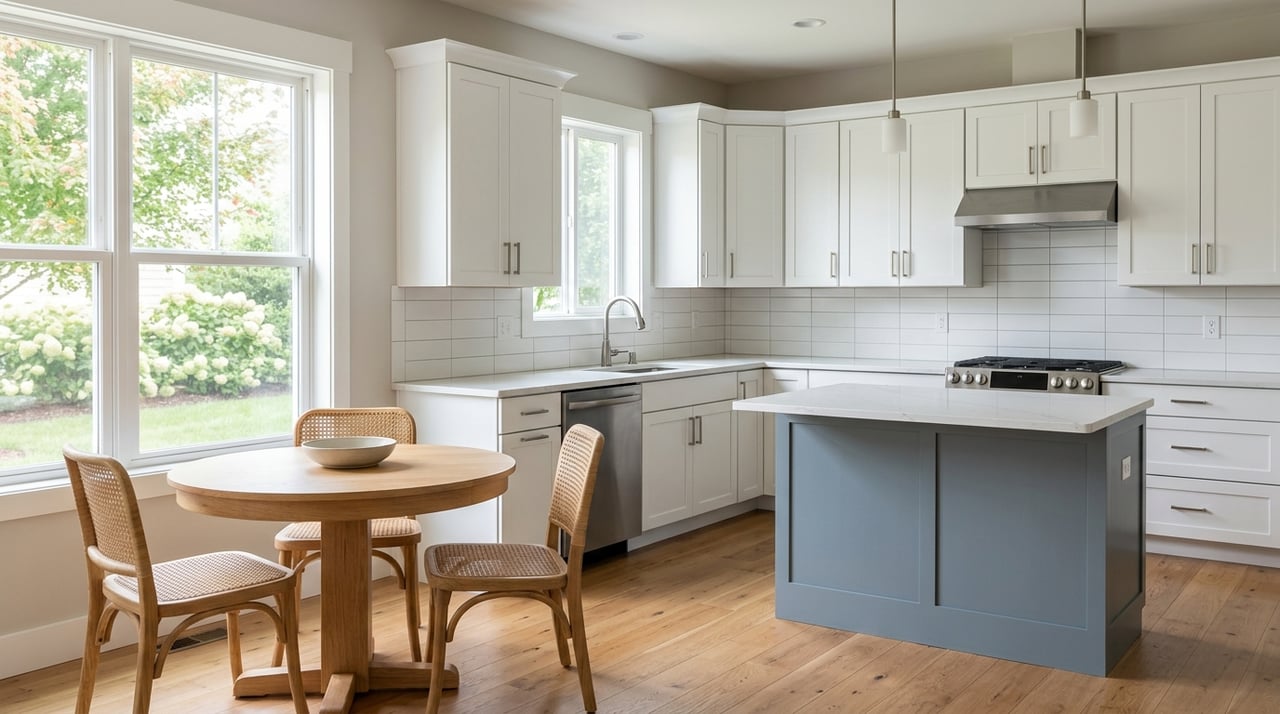
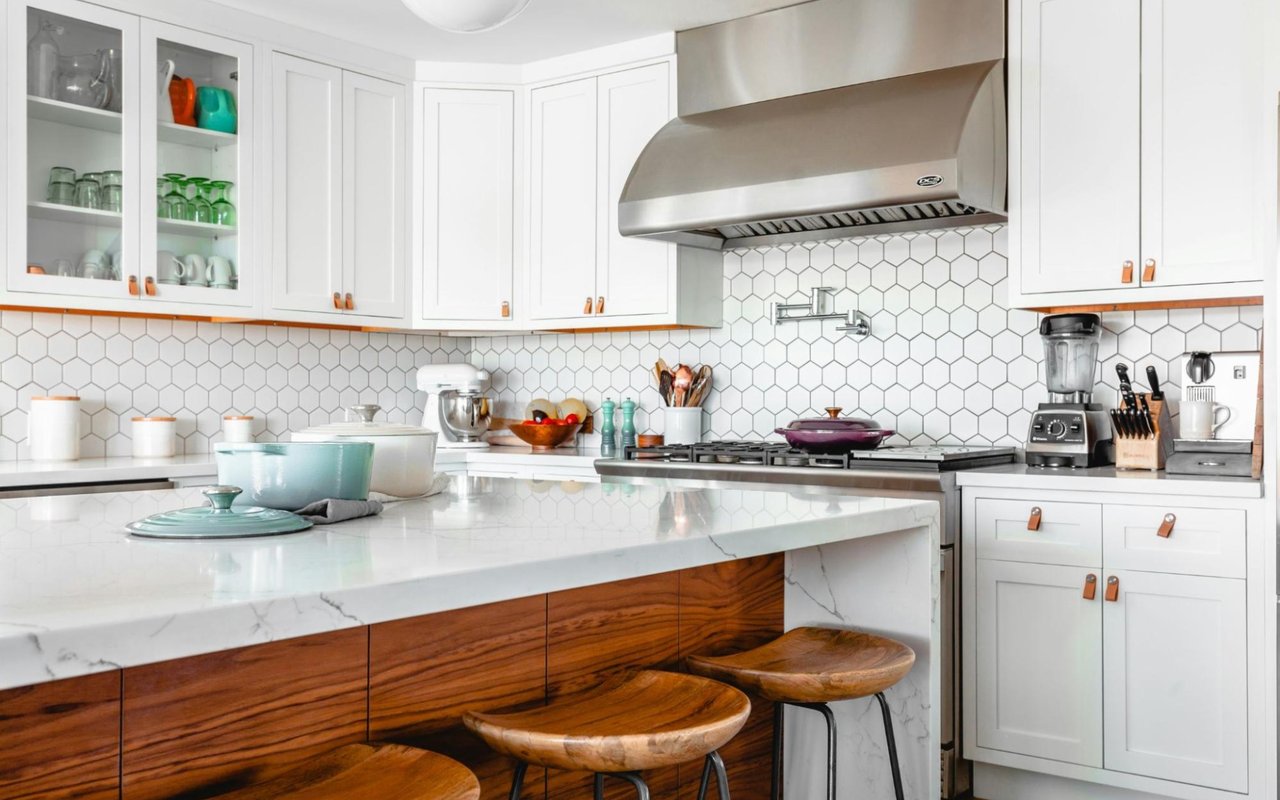
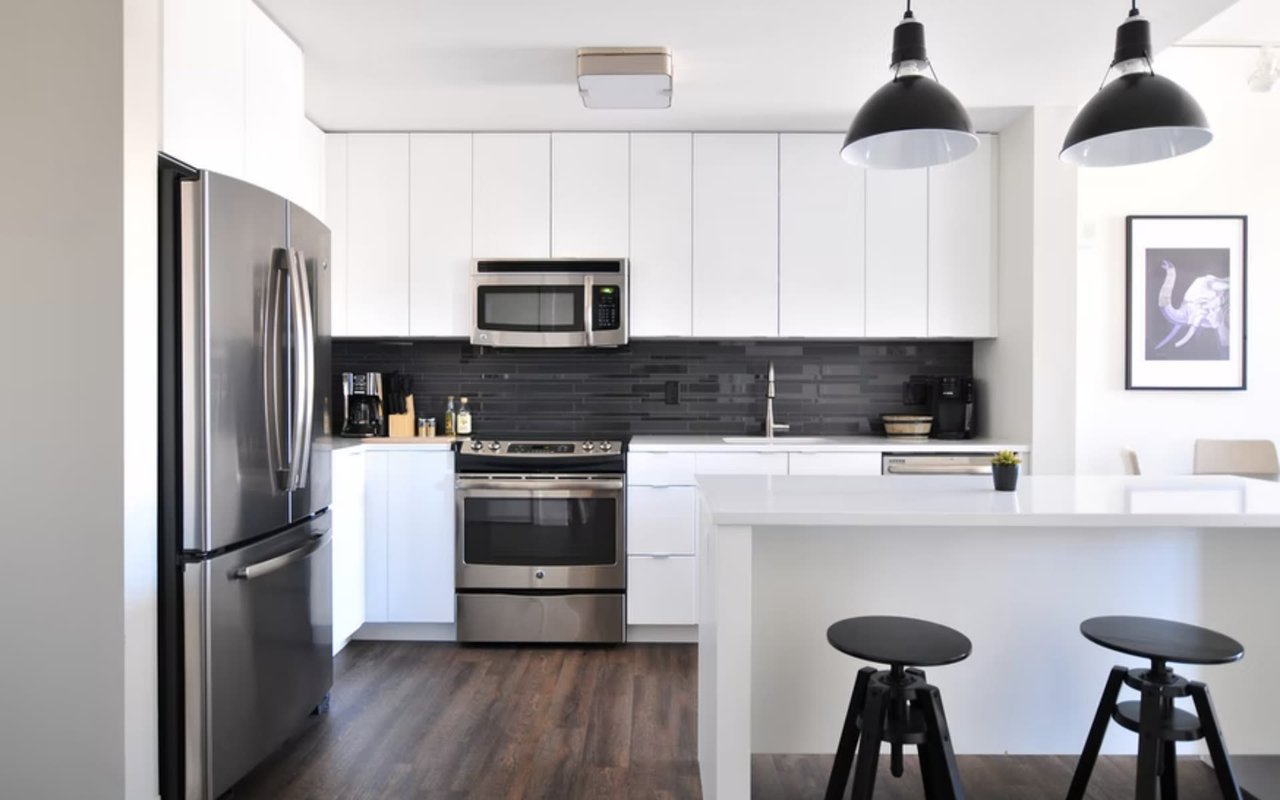
A home built in the 1990s with original plumbing, a 25-year-old roof, and an aging HVAC system reads very differently to a buyer than a home of the same age with a new roof, updated mechanicals, and a renovated kitchen. The year on the permit matters far less than the story the home tells about how it's been maintained. Sellers who understand this prepare accordingly — and buyers who understand it ask better questions.
A home built in the 1990s with original plumbing, a 25-year-old roof, and an aging HVAC system reads very differently to a buyer than a home of the same age with a new roof, updated mechanicals, and a renovated kitchen. The year on the permit matters far less than the story the home tells about how it's been maintained. Sellers who understand this prepare accordingly — and buyers who understand it ask better questions.
What Buyers Are Really Evaluating When They Look at Age
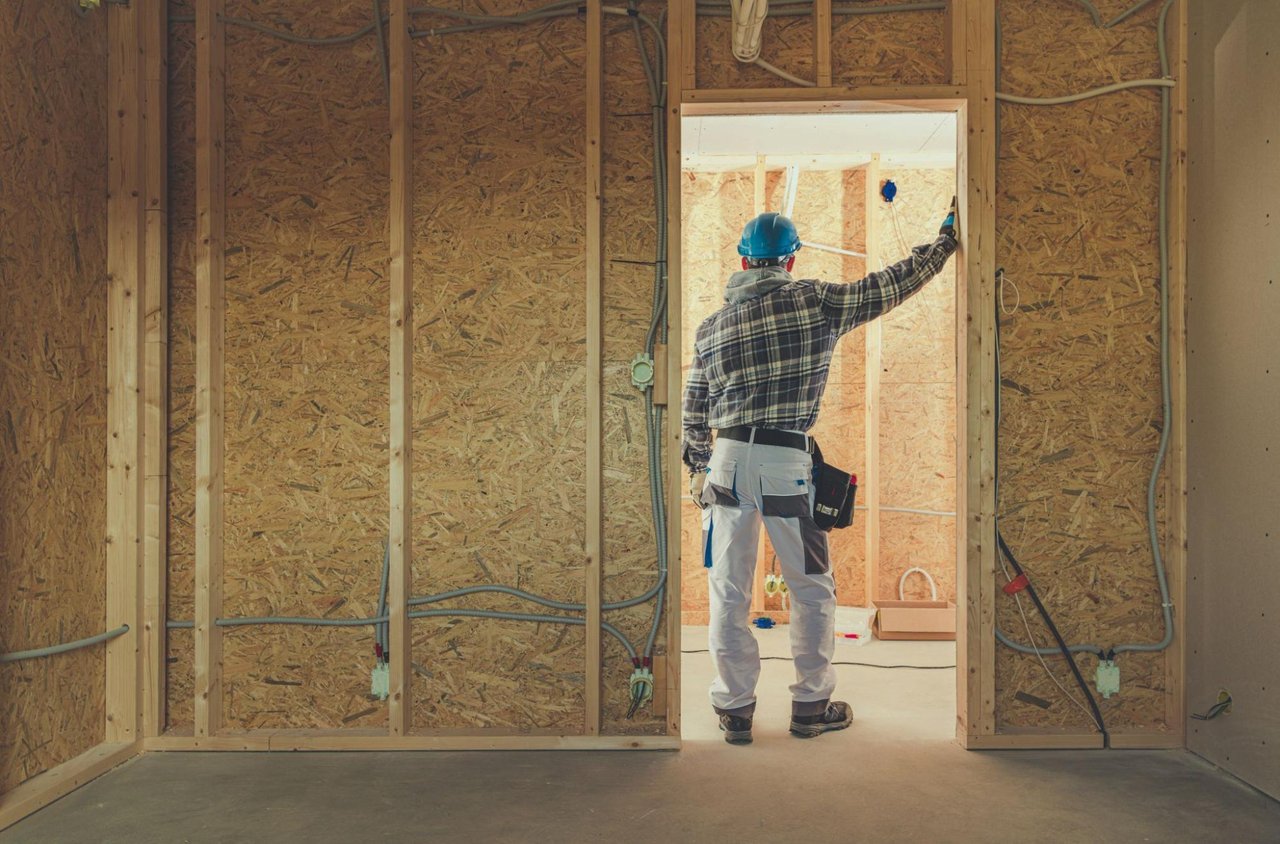
- The condition and approximate age of major systems: roof, HVAC, water heater, electrical, and plumbing.
- Whether the layout and finishes reflect current buyer preferences or will require significant updating.
- The maturity of the neighborhood — established trees, developed infrastructure, and community character.
- How the home compares in condition to others in the same price range, regardless of age.
The Case for Newer Homes
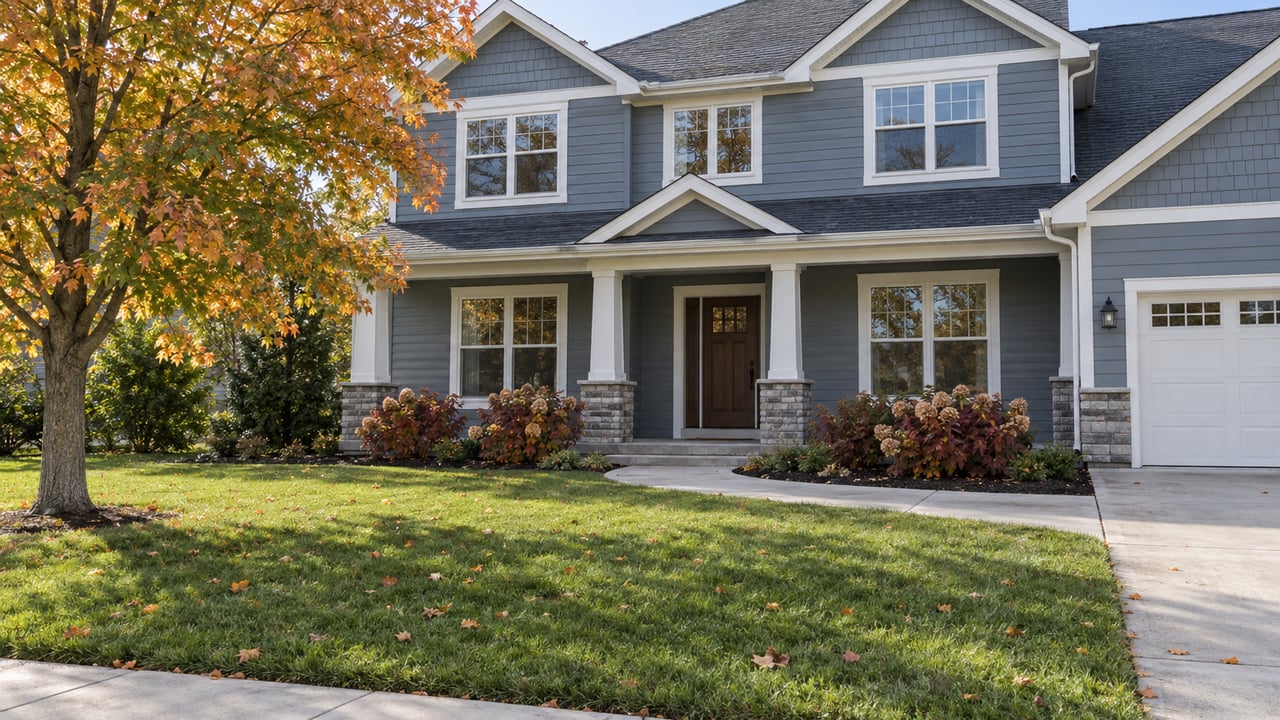
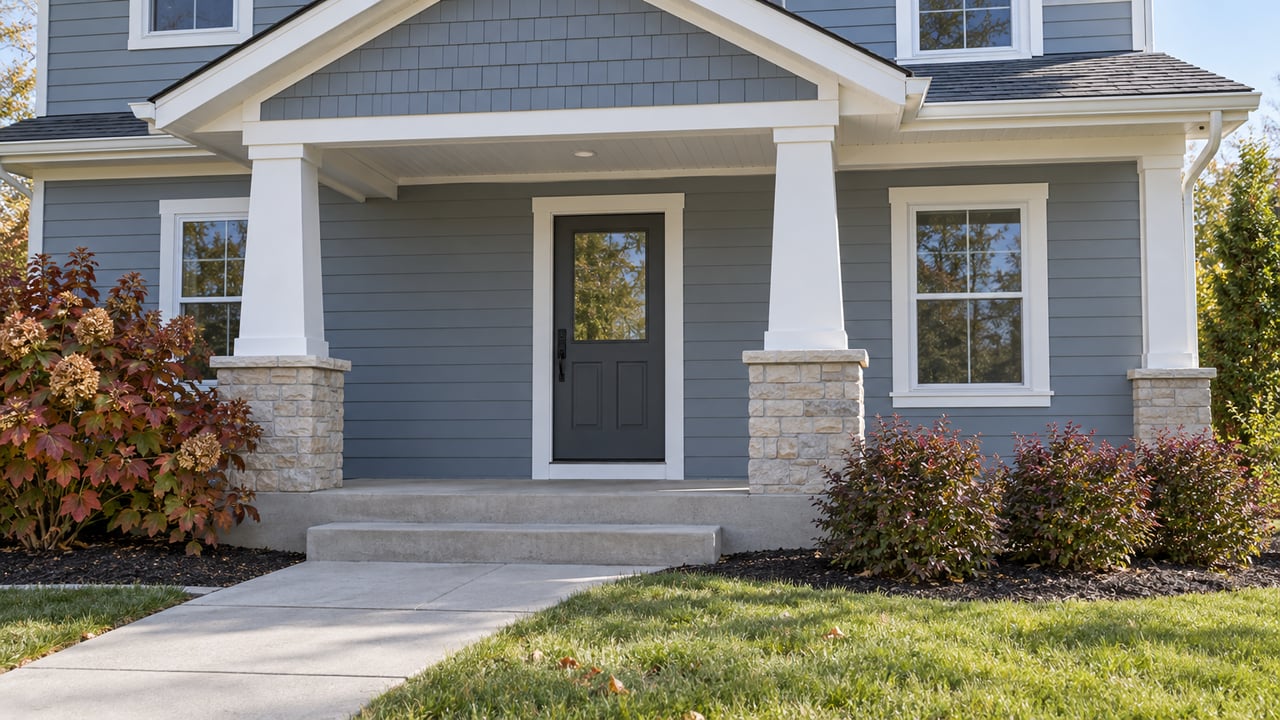
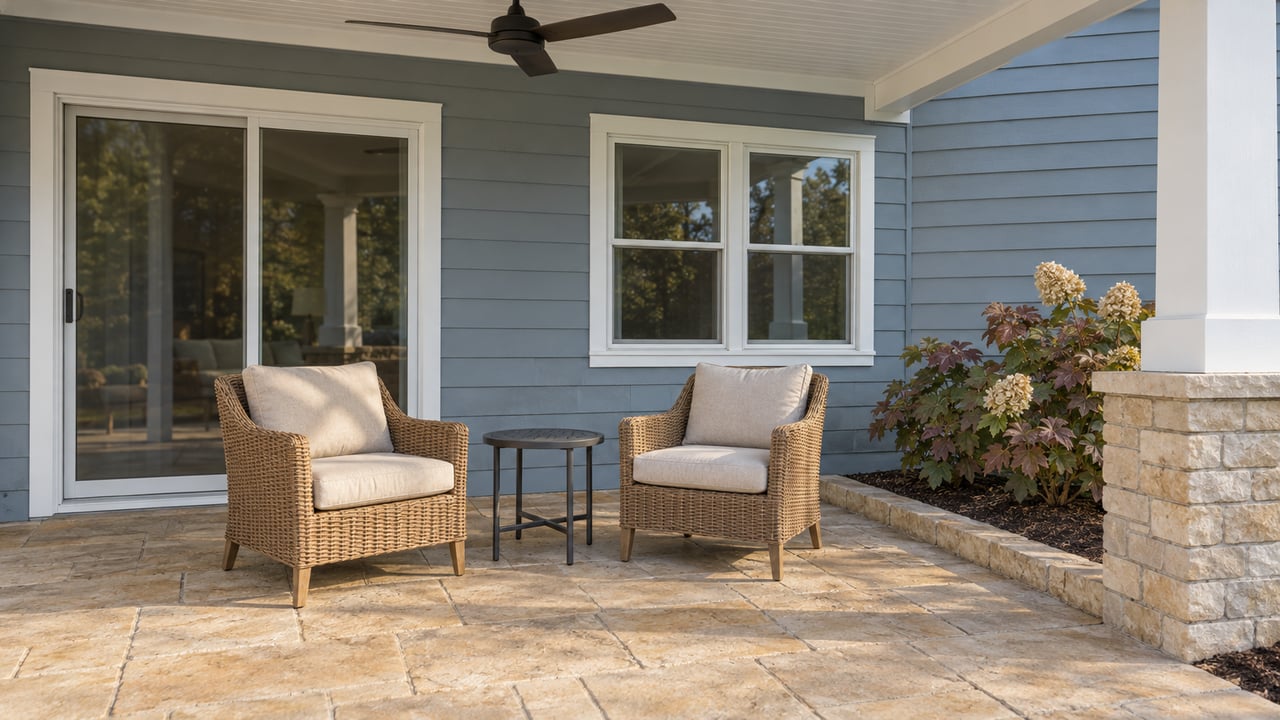
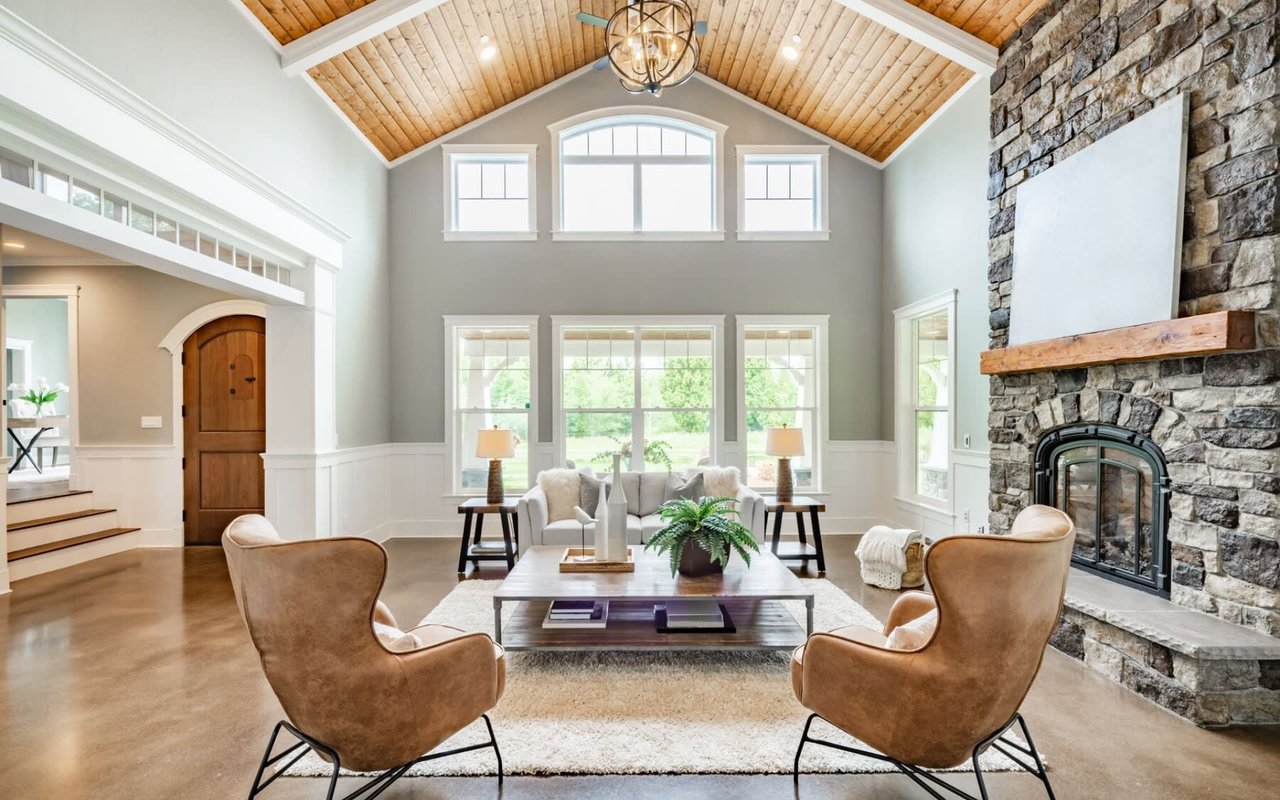
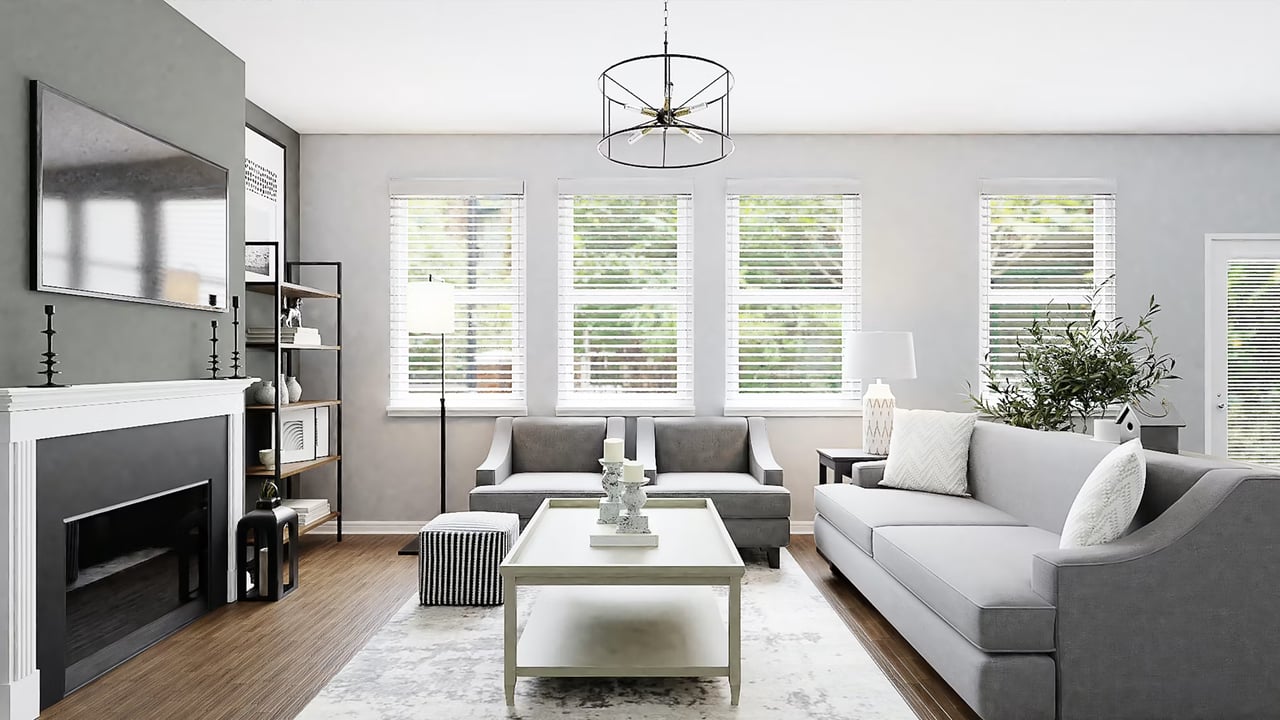
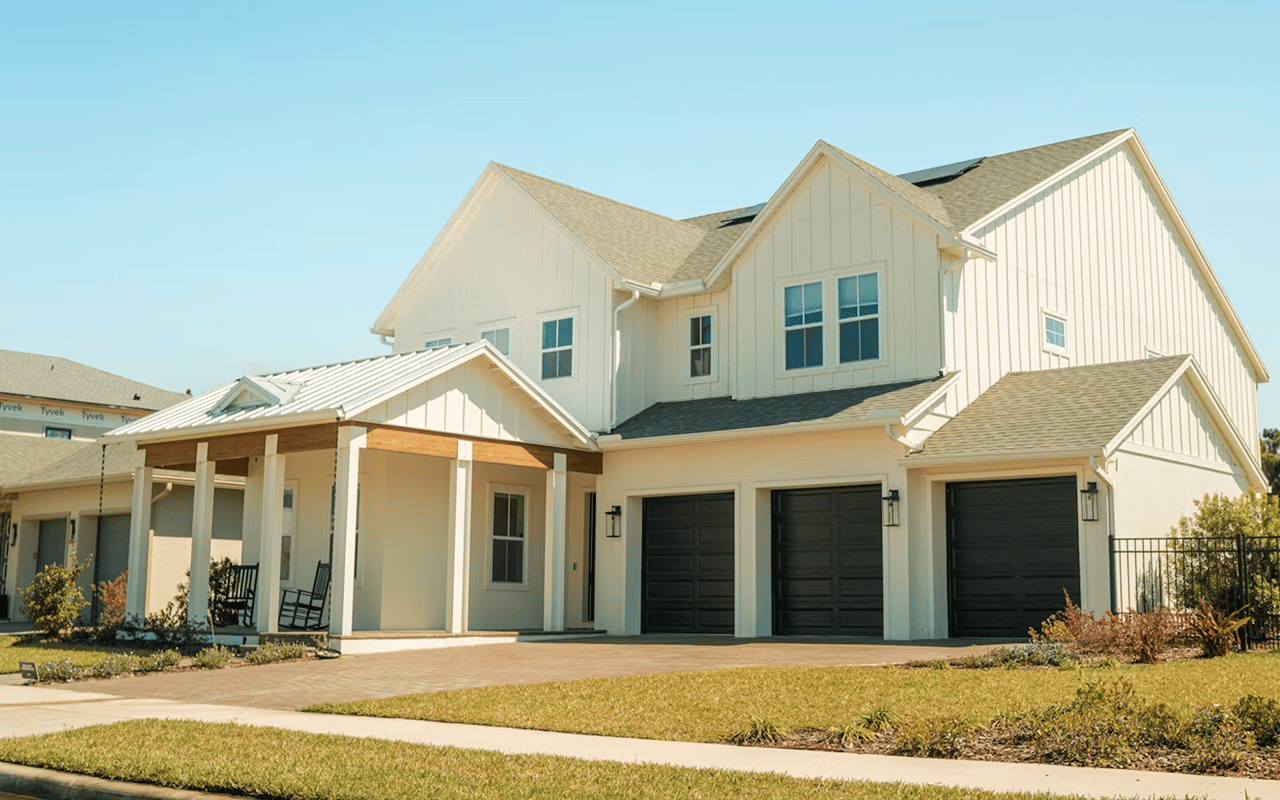
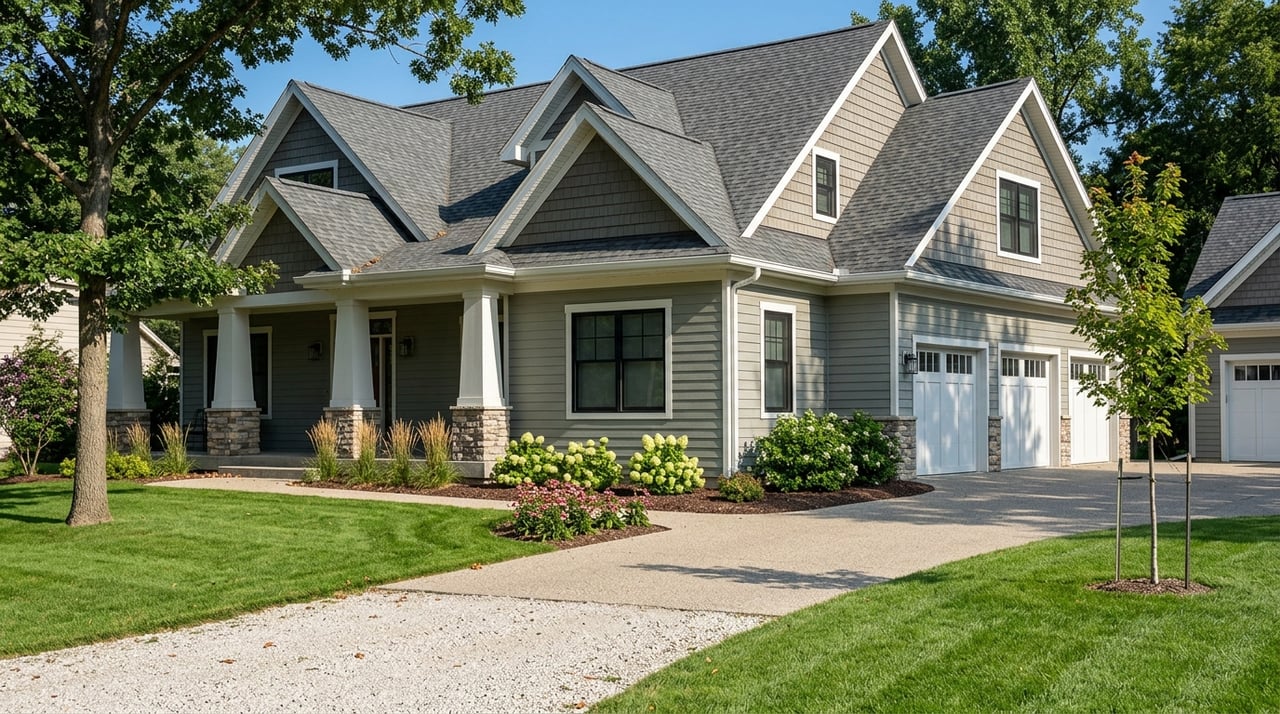
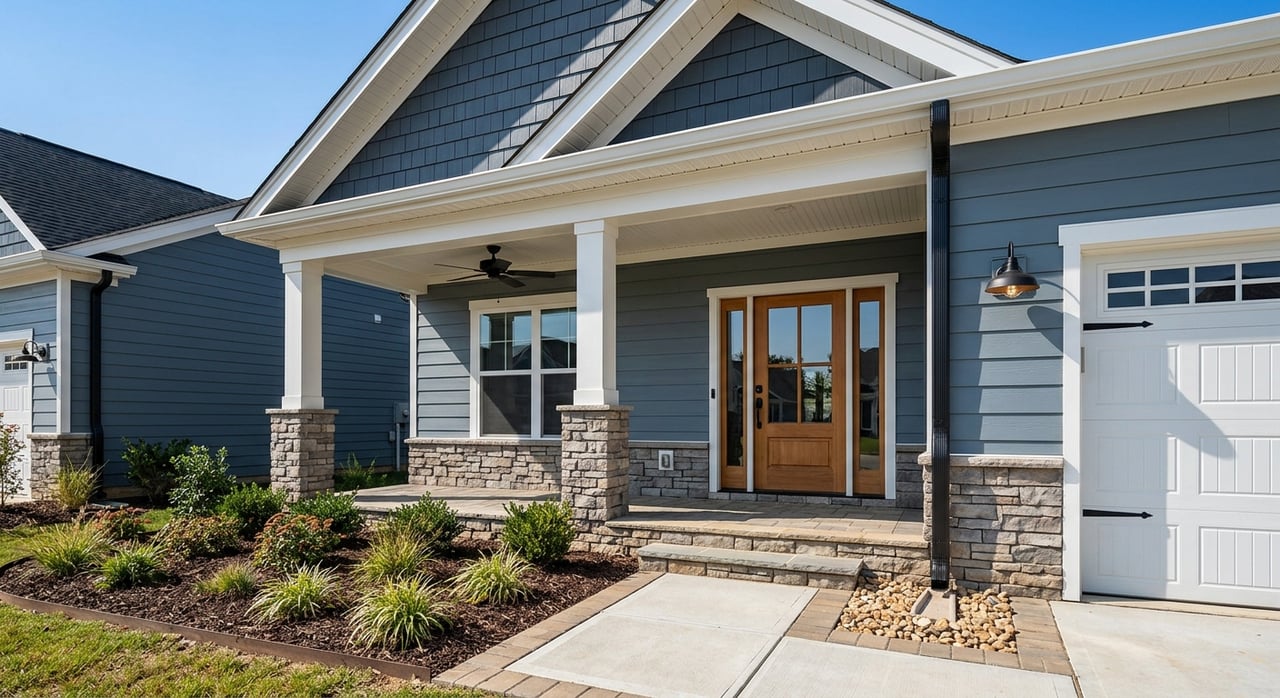
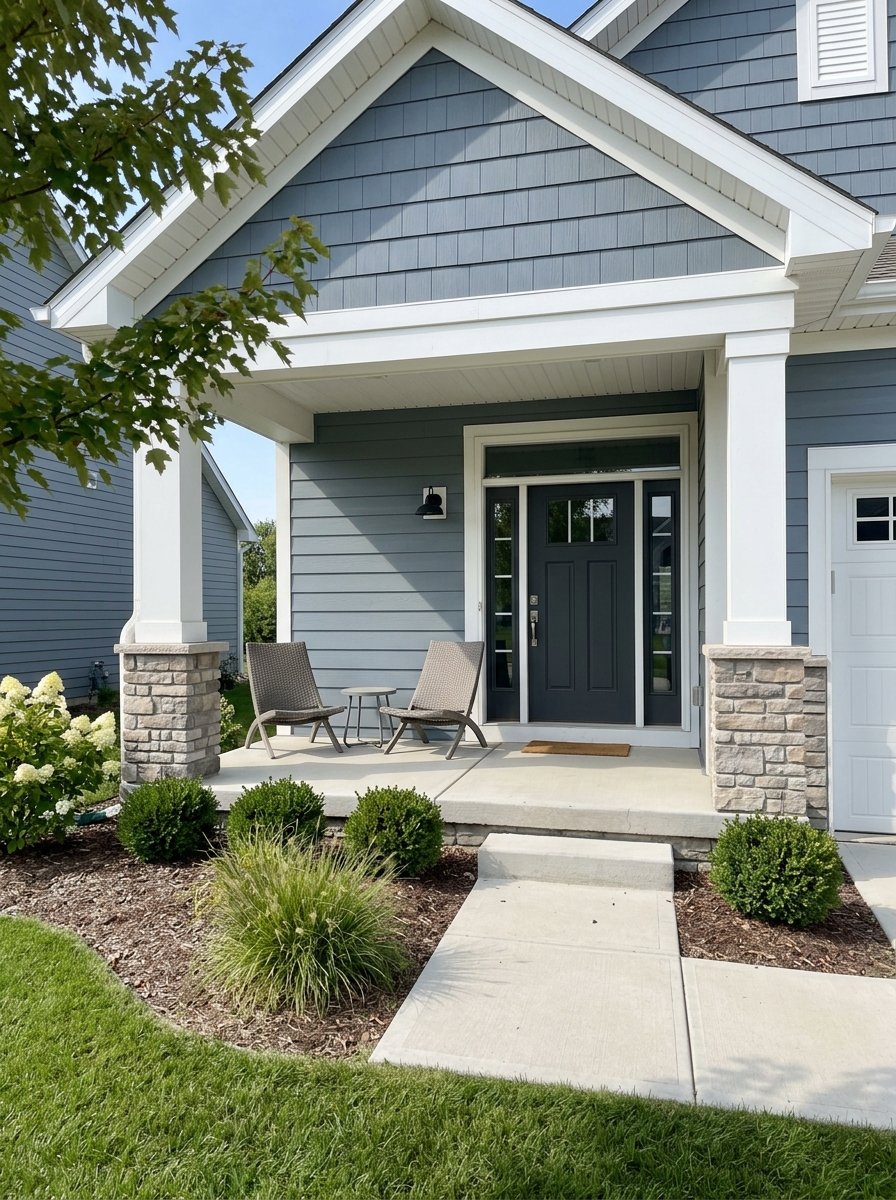
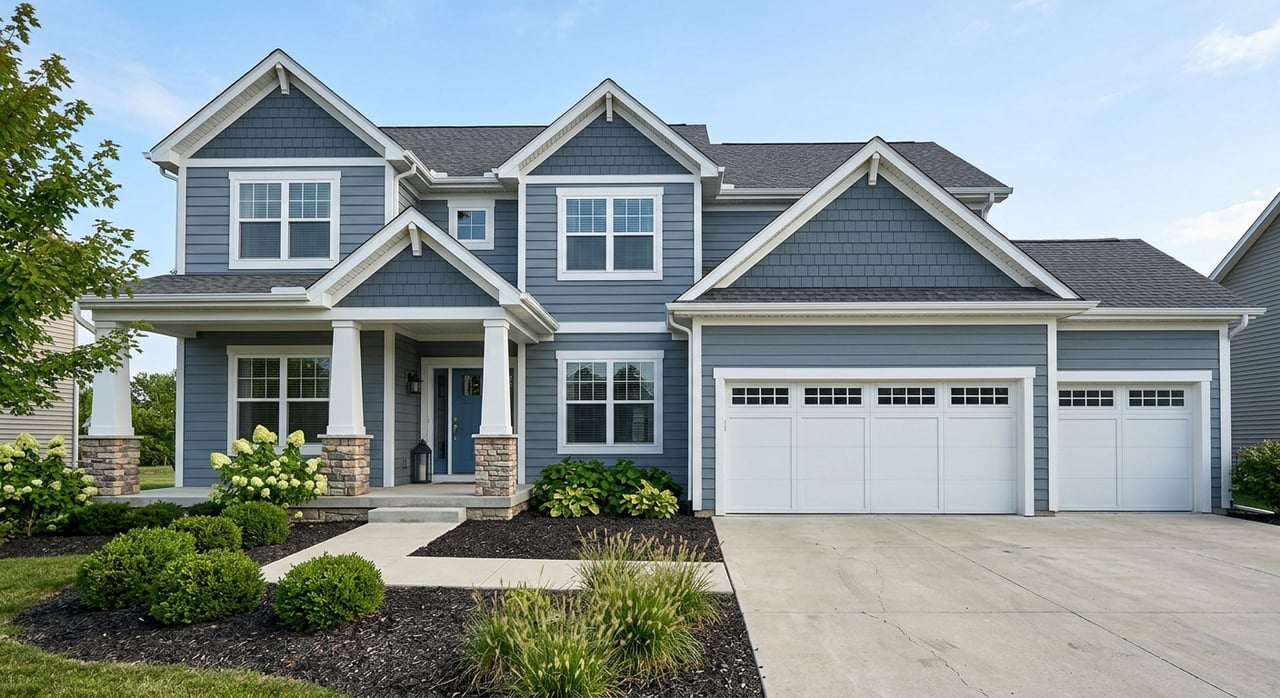
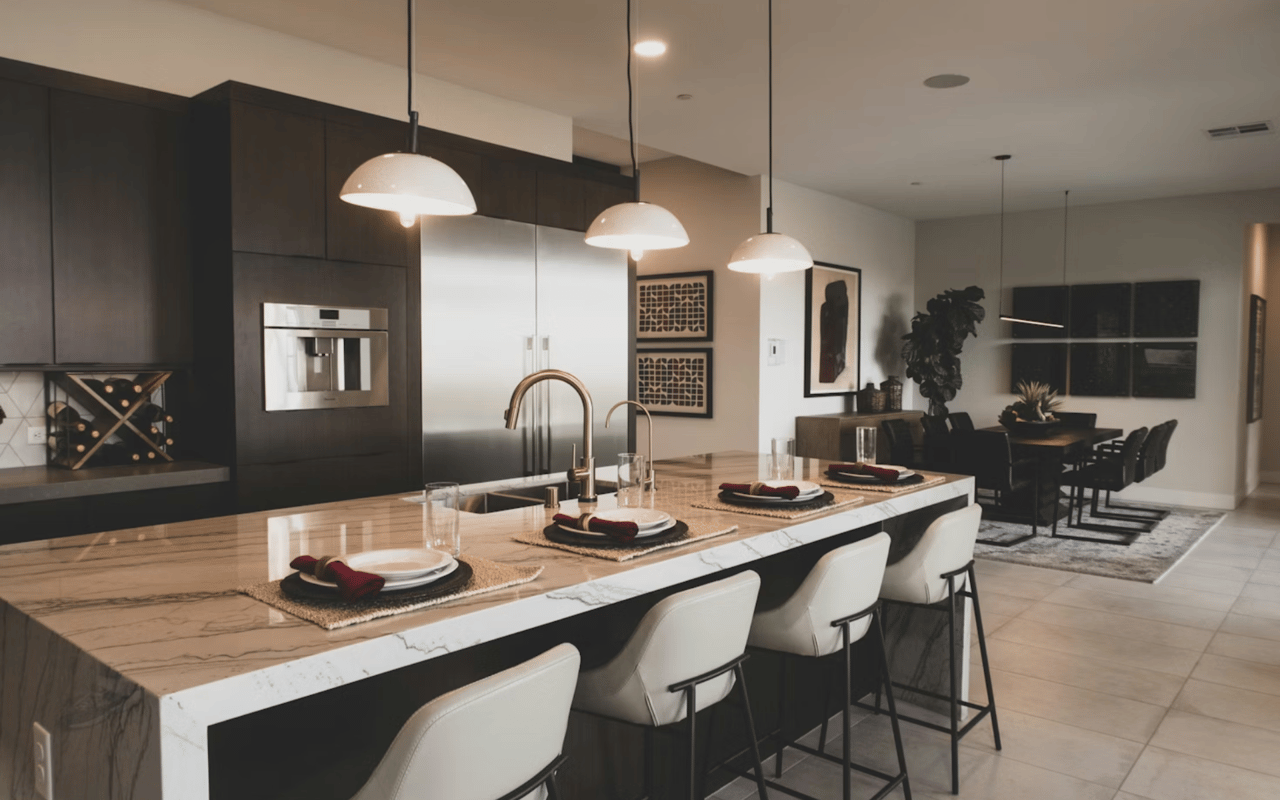
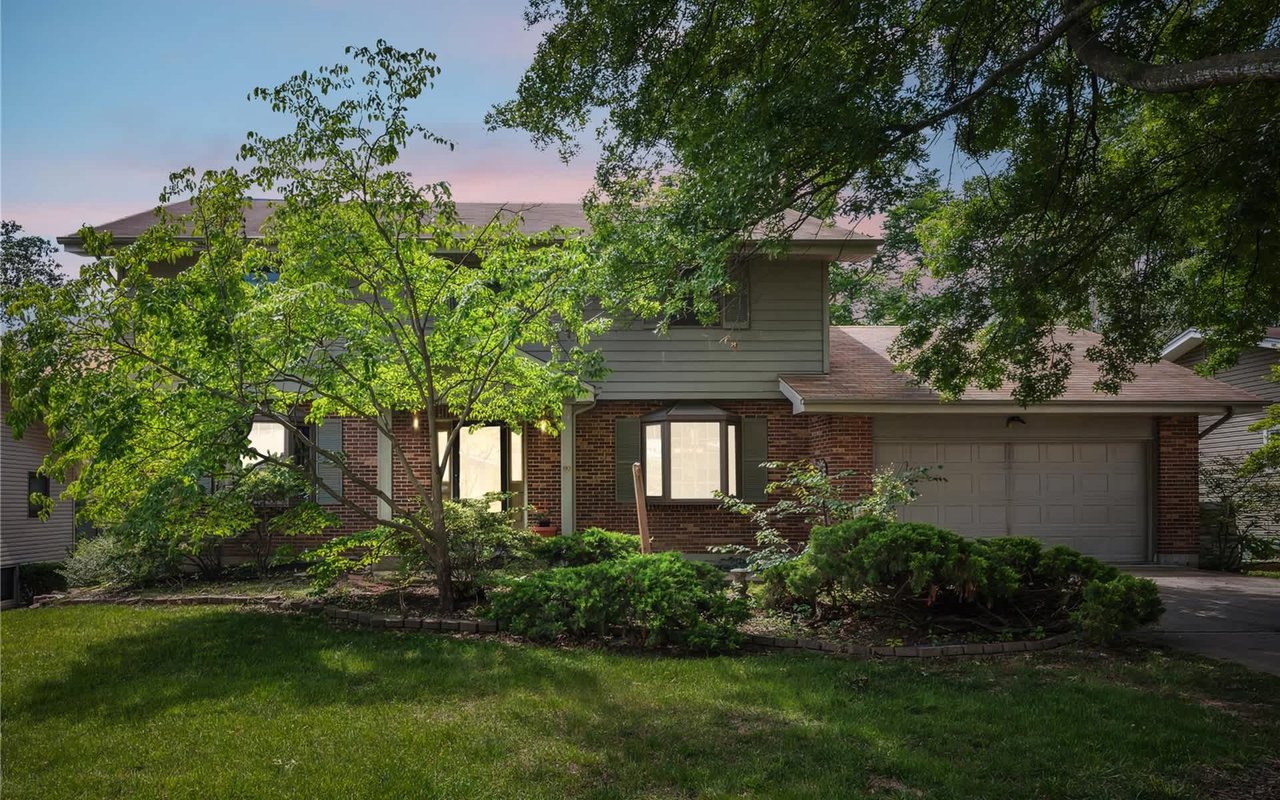
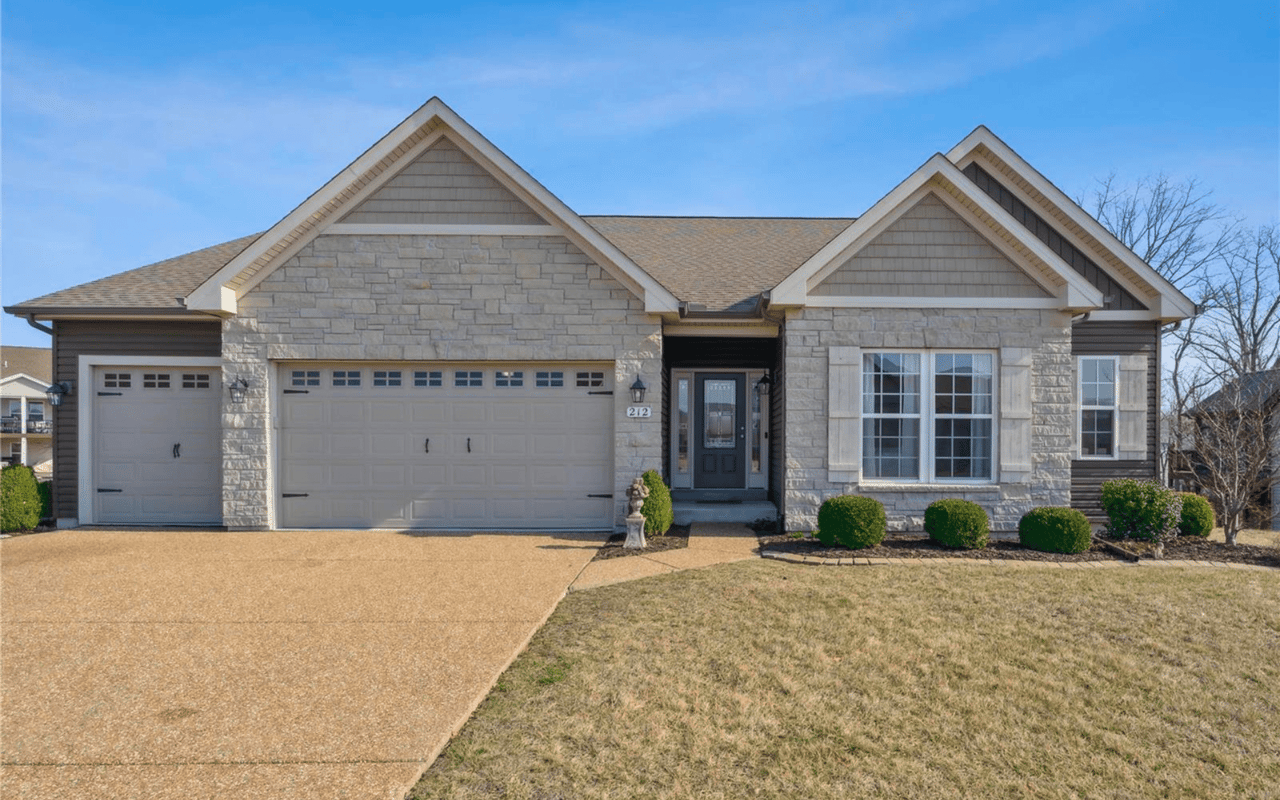
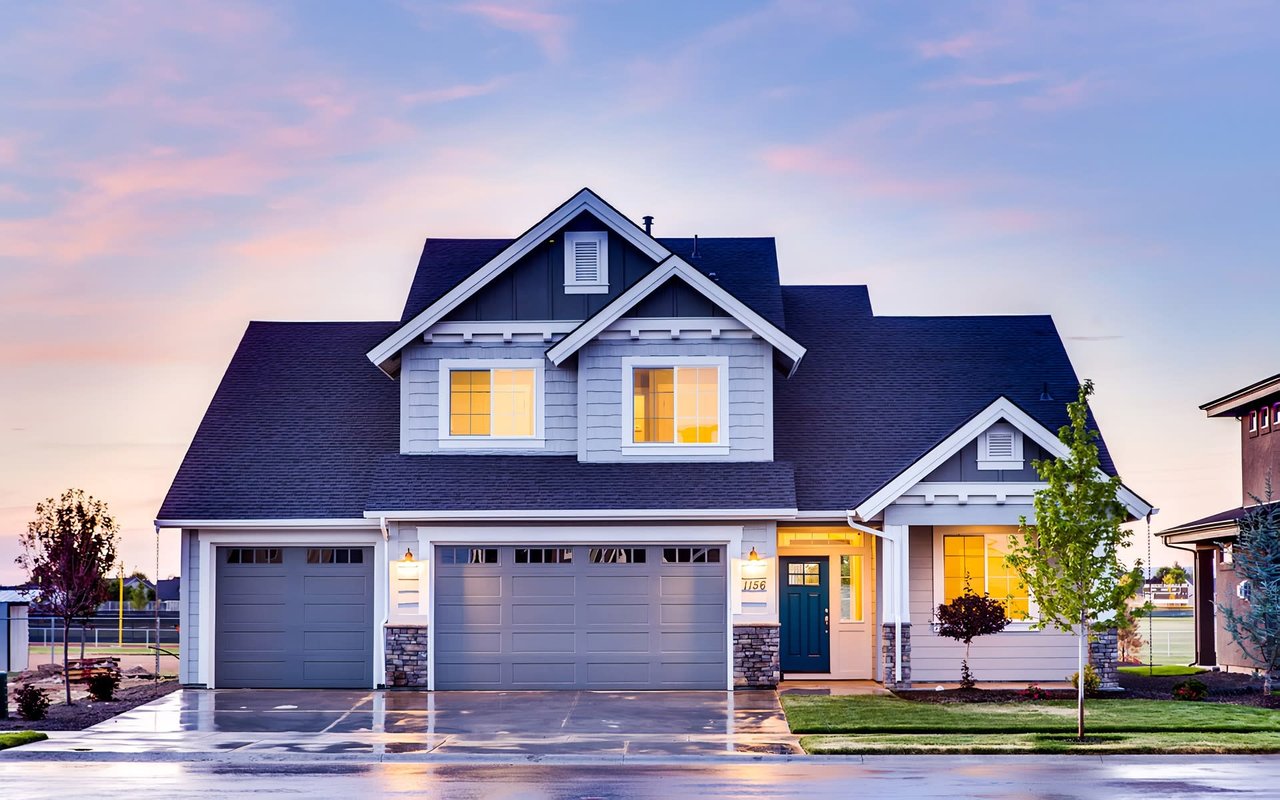
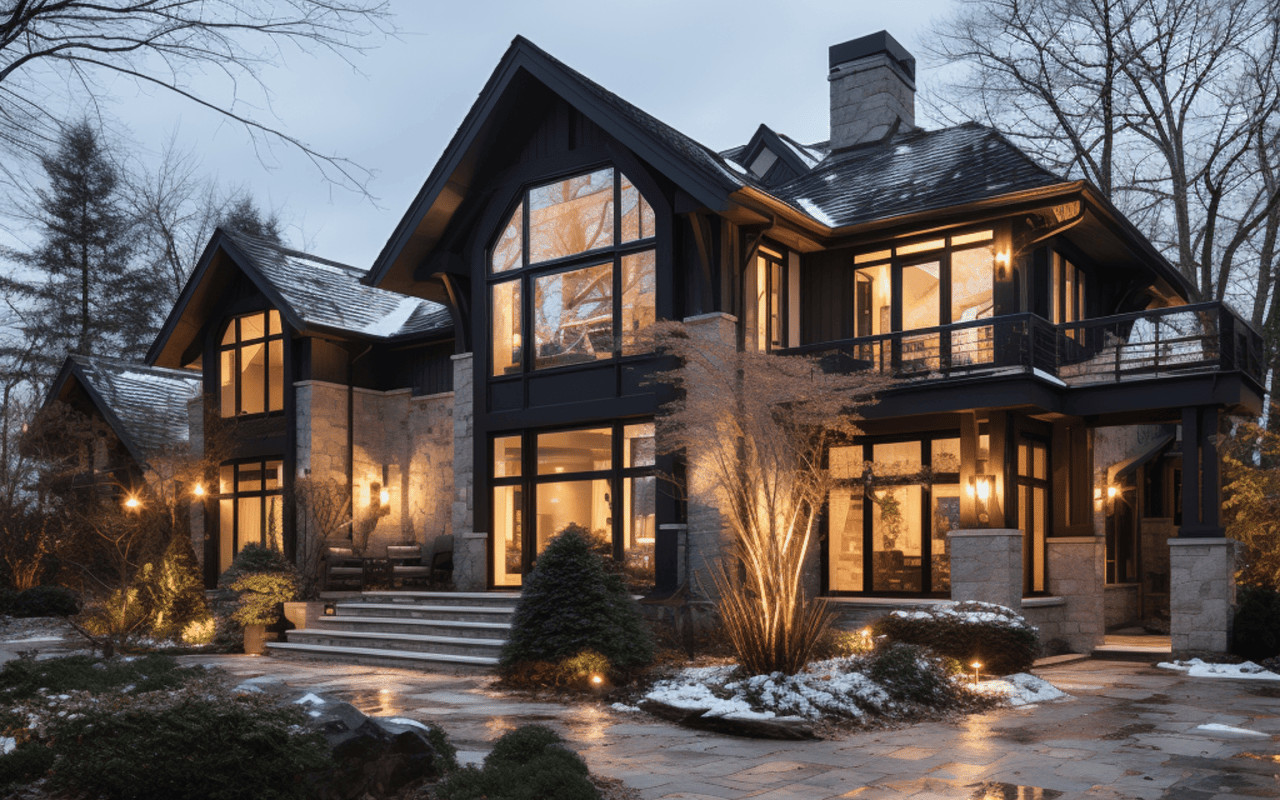
Newer construction — generally defined as homes built within the last 10 to 20 years — carries real advantages that buyers respond to, and it's worth understanding what drives that premium. Modern building standards mean better insulation, more energy-efficient windows, updated electrical systems, and HVAC equipment that's still in its useful life. Open-concept floor plans and contemporary layouts align with how most buyers want to live today.
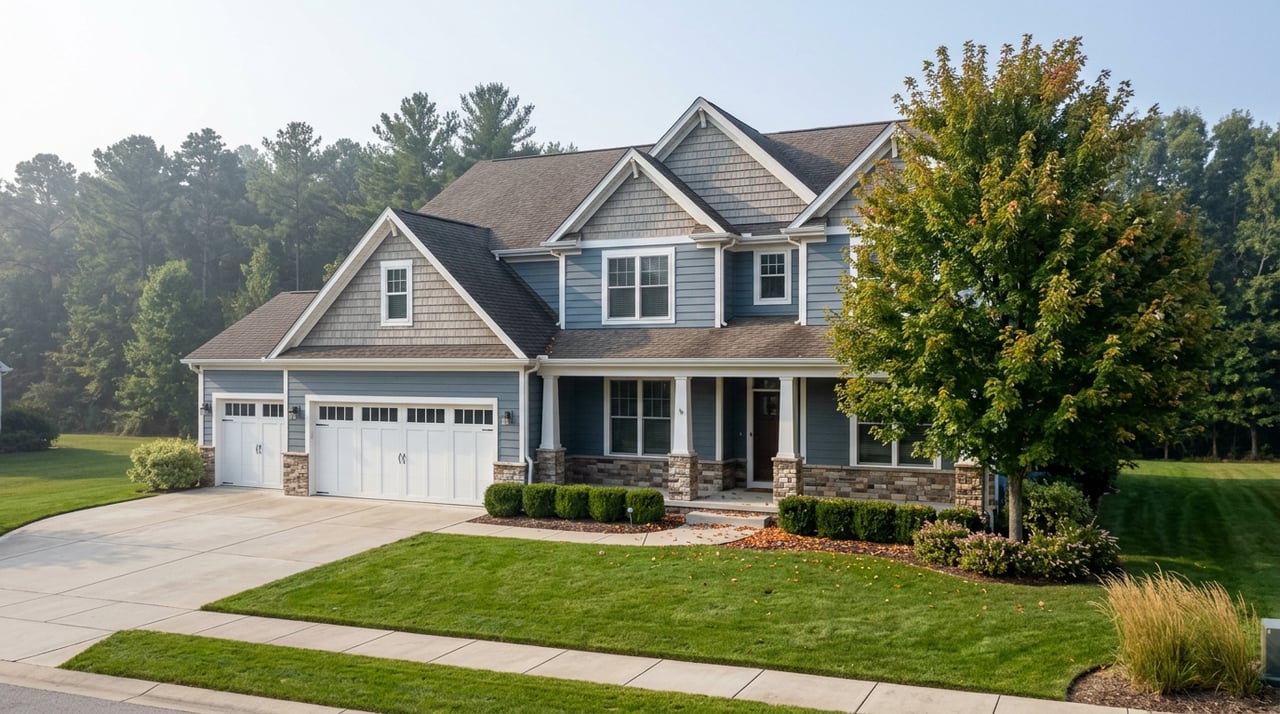
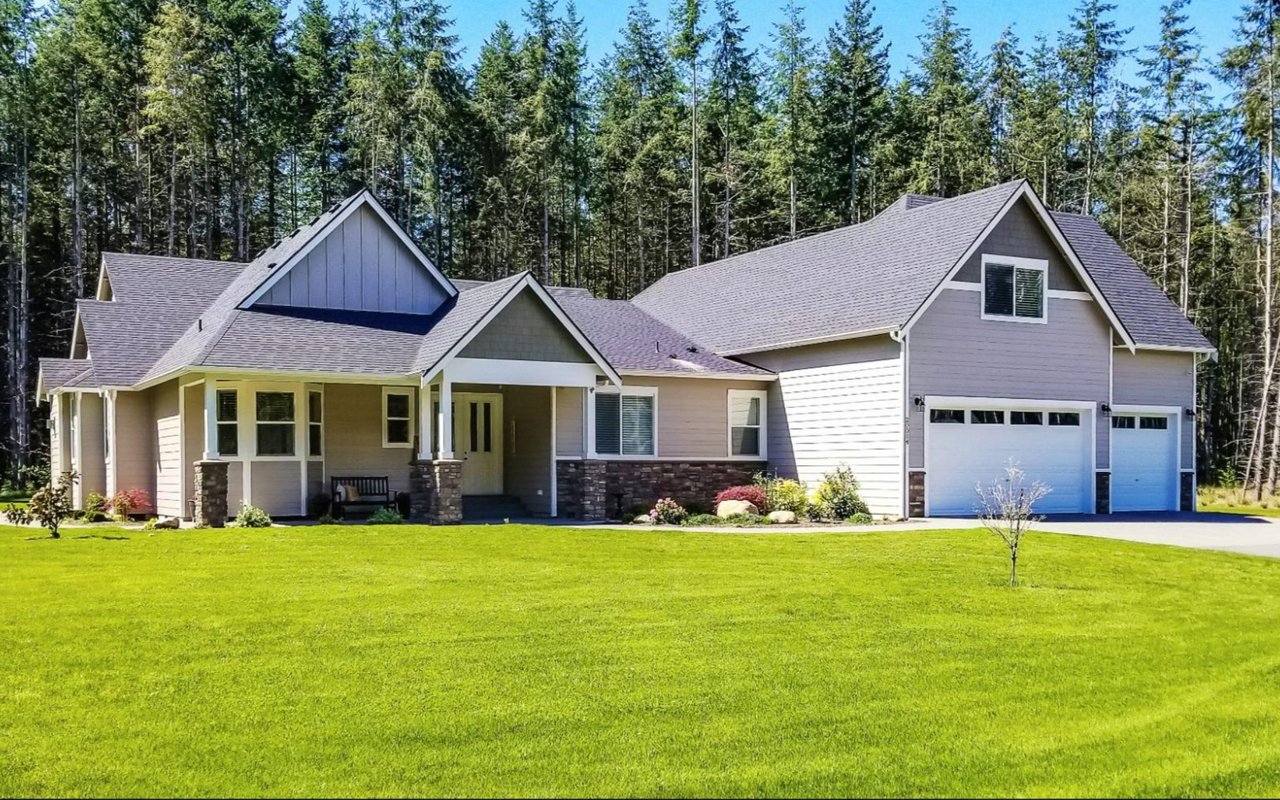
In the Lake St. Louis and St. Charles County market, newer homes in communities like those near The Meadows or recent Dardenne Prairie developments tend to attract buyers who want a move-in ready experience with minimal near-term maintenance concerns. That lower friction at the point of purchase translates into a price premium buyers are generally willing to pay.
In the Lake St. Louis and St. Charles County market, newer homes in communities like those near The Meadows or recent Dardenne Prairie developments tend to attract buyers who want a move-in ready experience with minimal near-term maintenance concerns. That lower friction at the point of purchase translates into a price premium buyers are generally willing to pay.
What Newer Homes Typically Offer
- Energy efficiency built into the structure — better insulation, windows, and mechanical systems from the start.
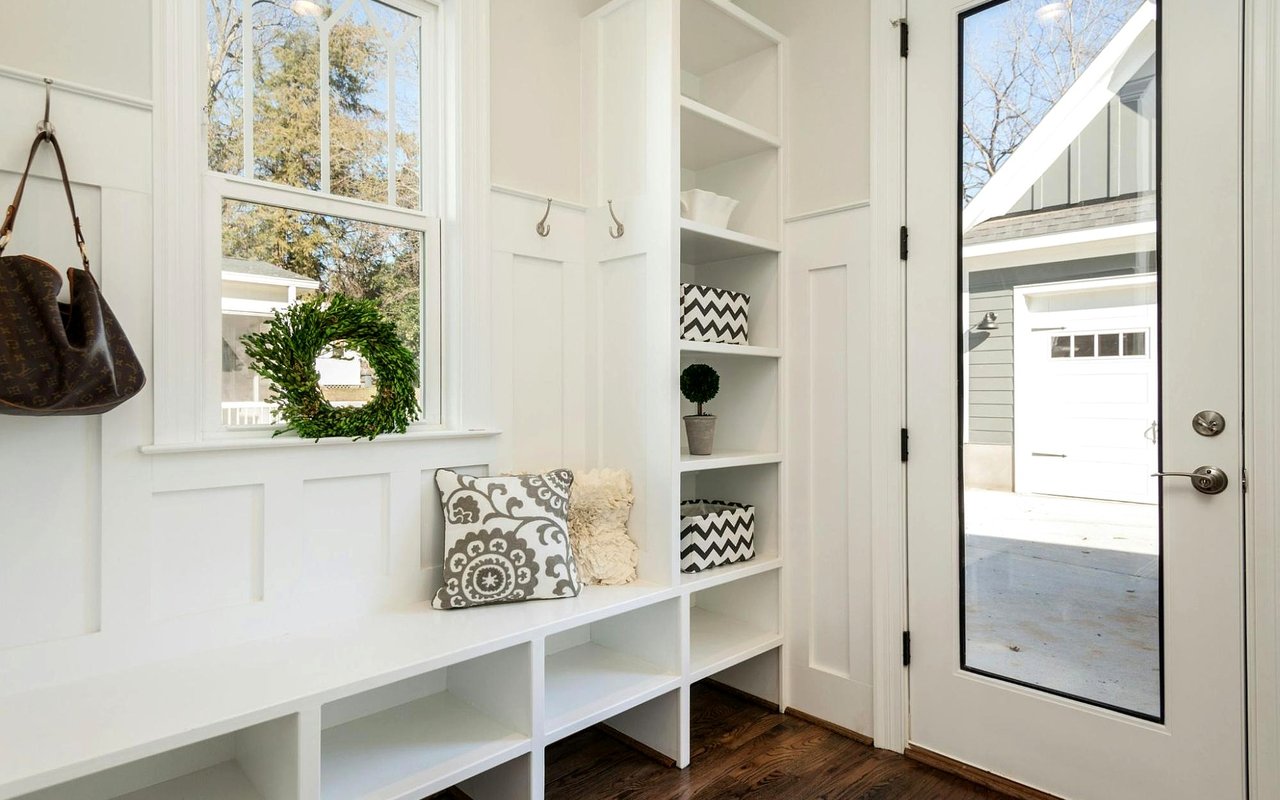
- Modern layouts including open-concept living, primary suite configurations, and dedicated utility spaces.
- Lower immediate maintenance burden — major systems are newer and within their expected useful life.
- Easier financing in some cases, as lenders face fewer condition-related hurdles with newer properties.
The Case for Older Homes — and Why They Can Still Win
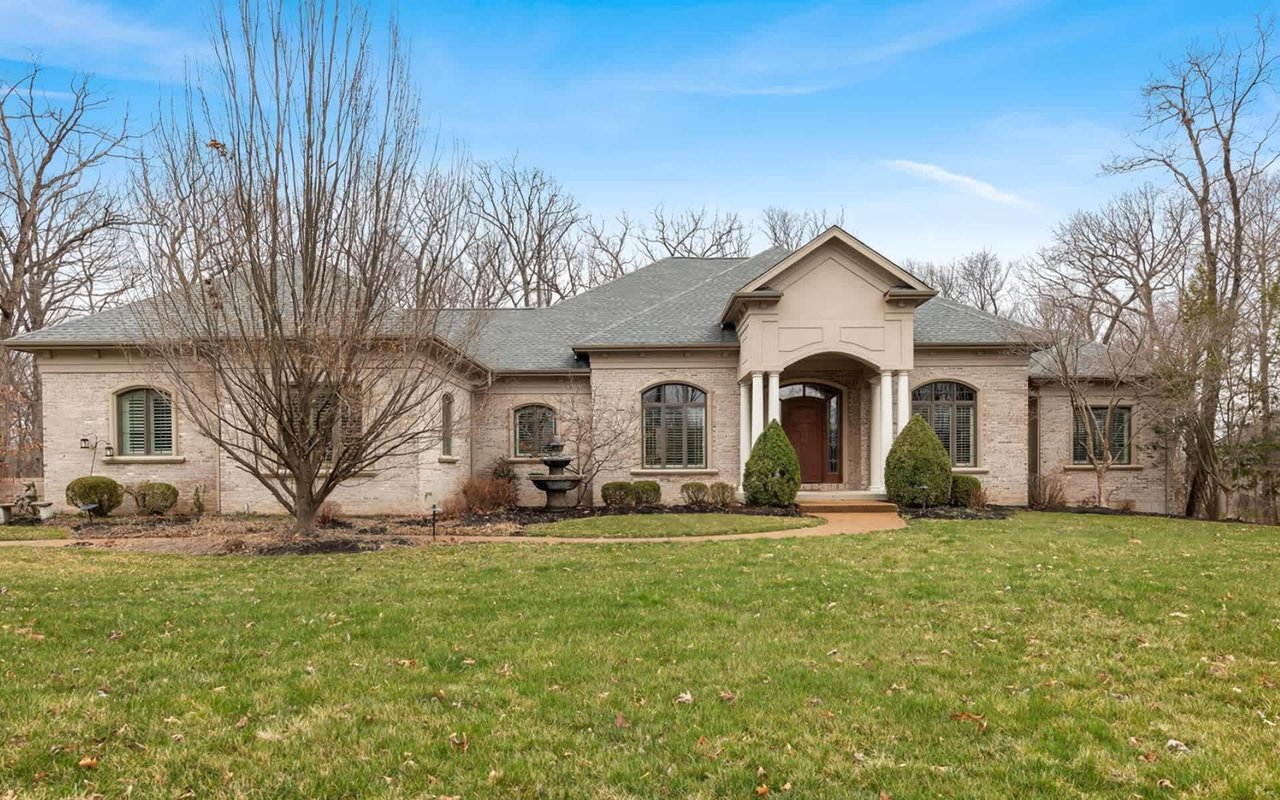
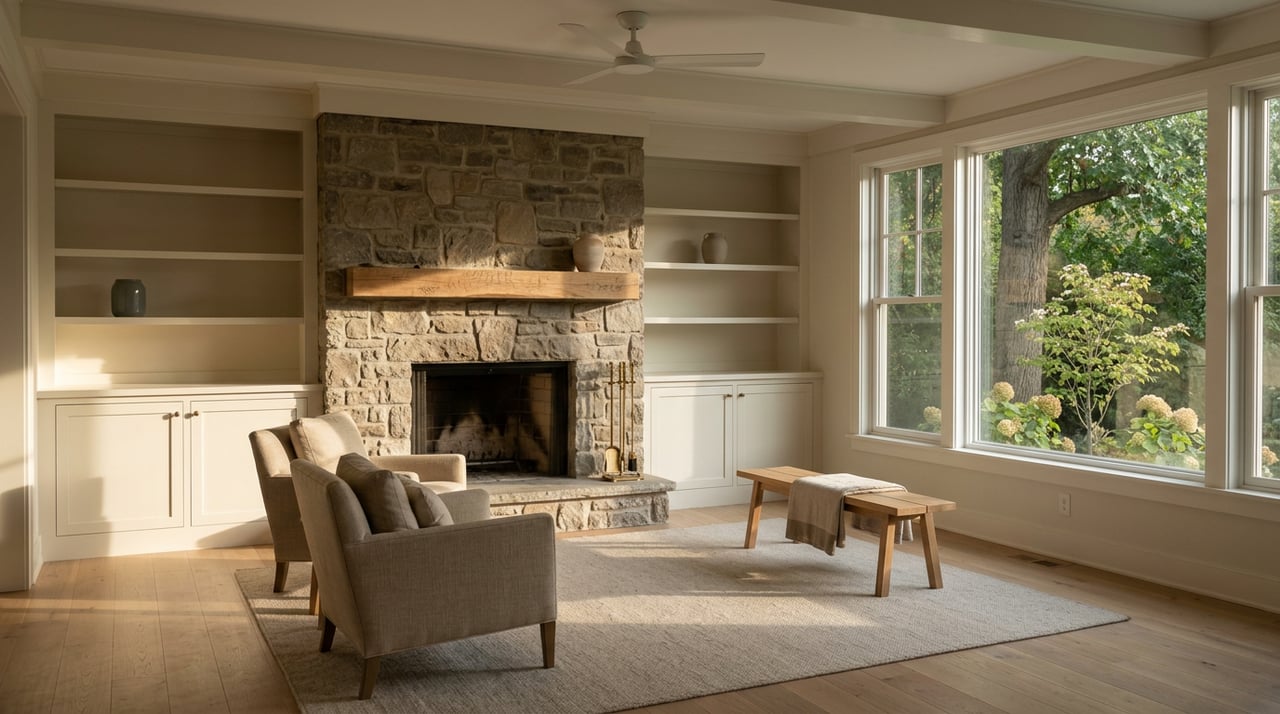
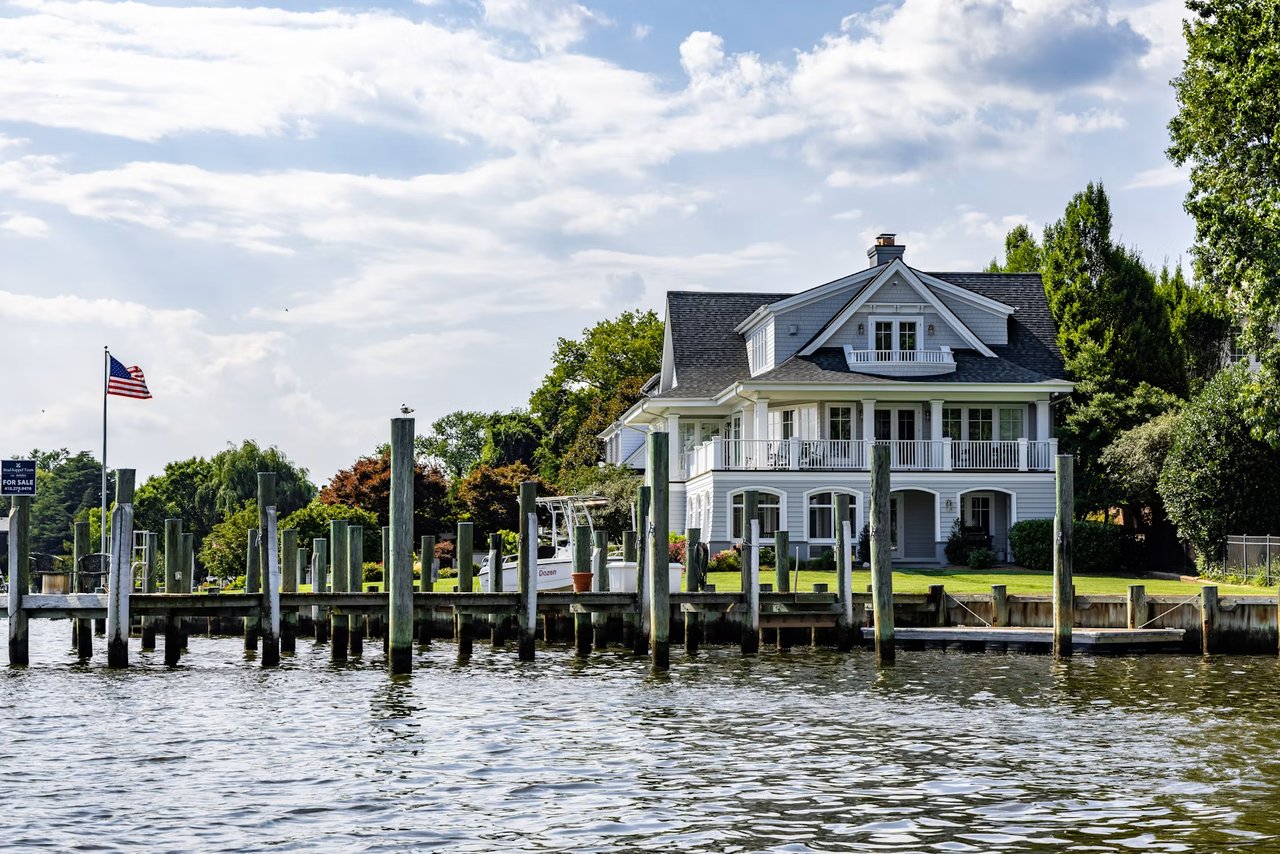
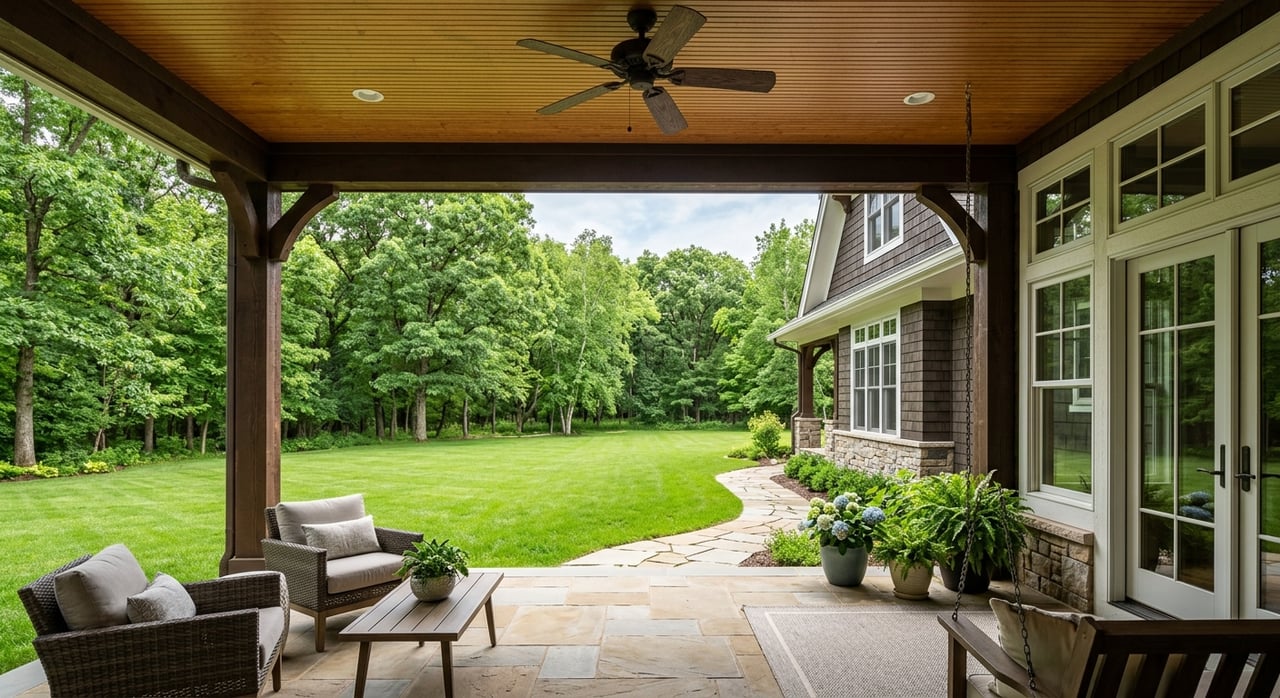
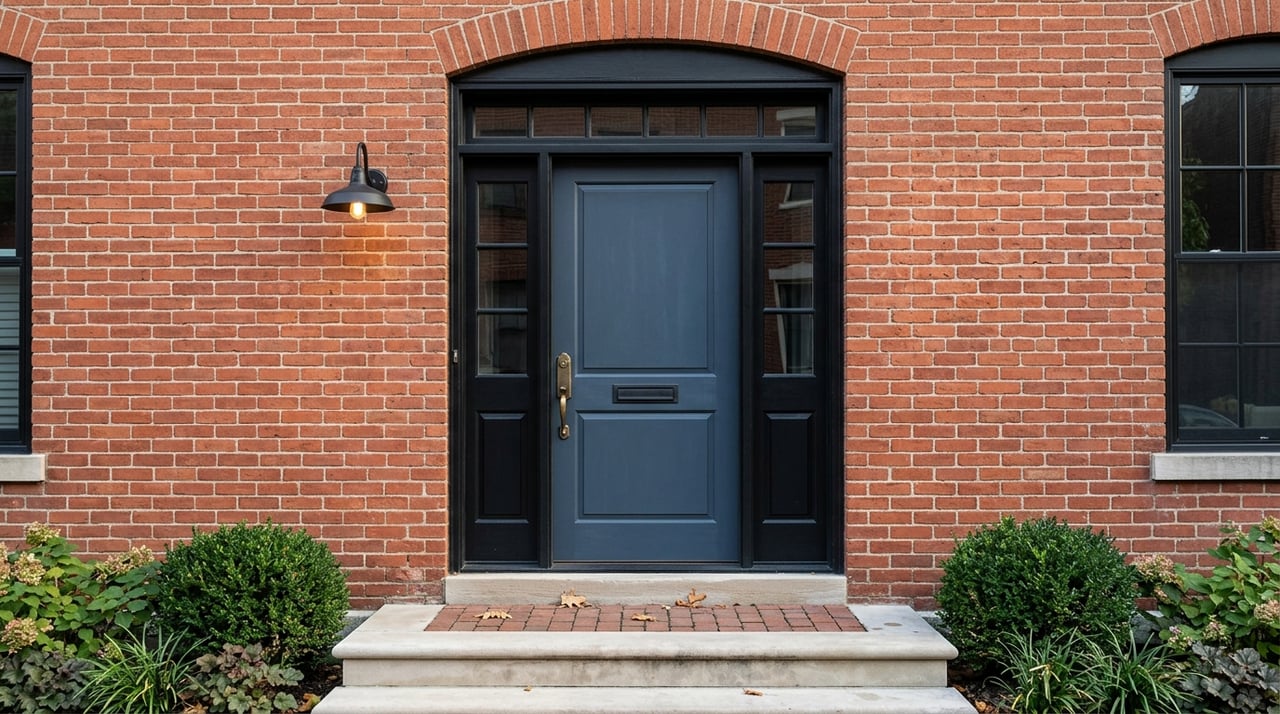
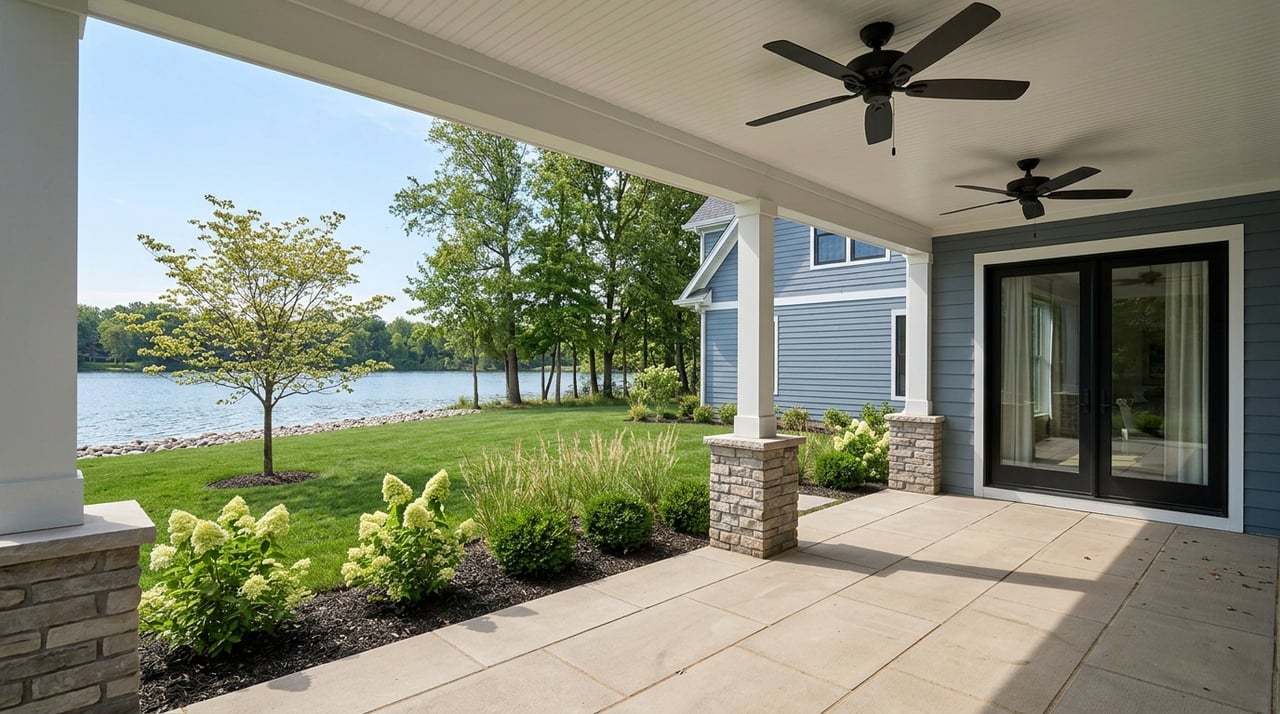
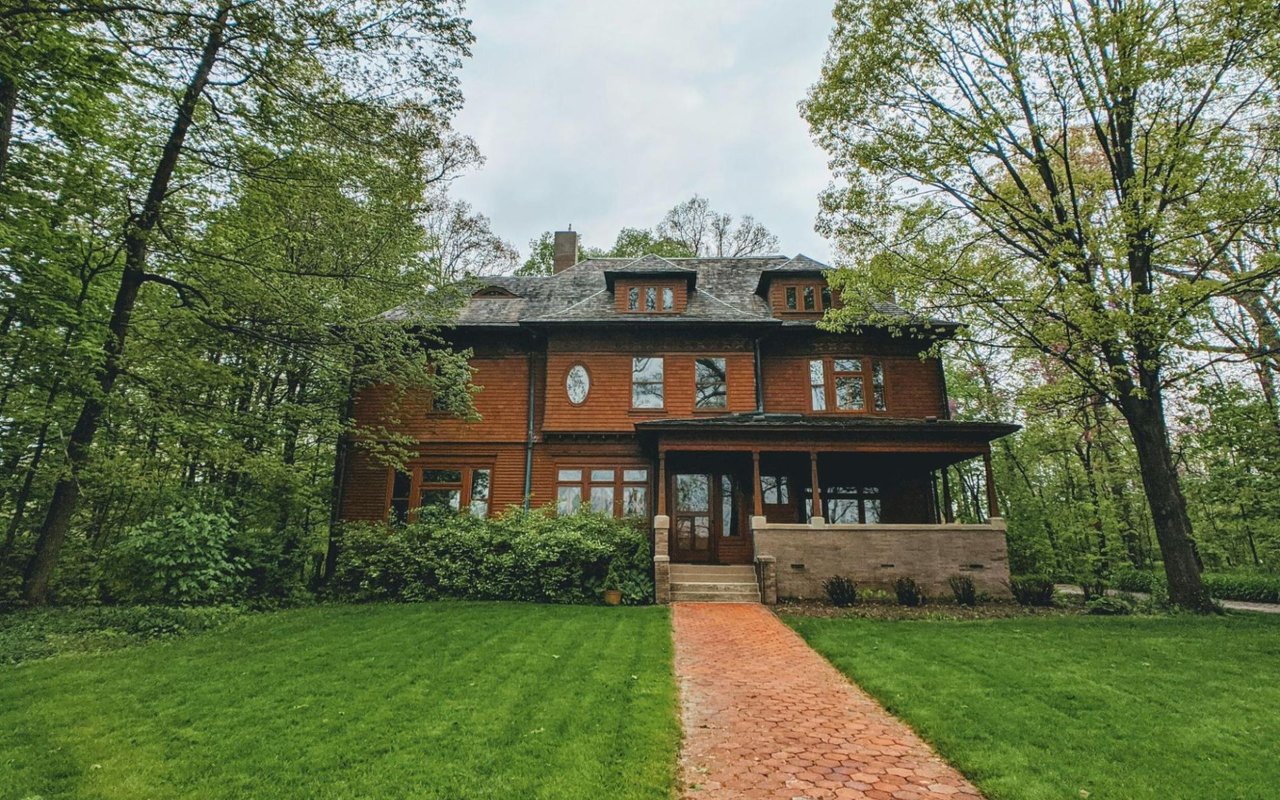
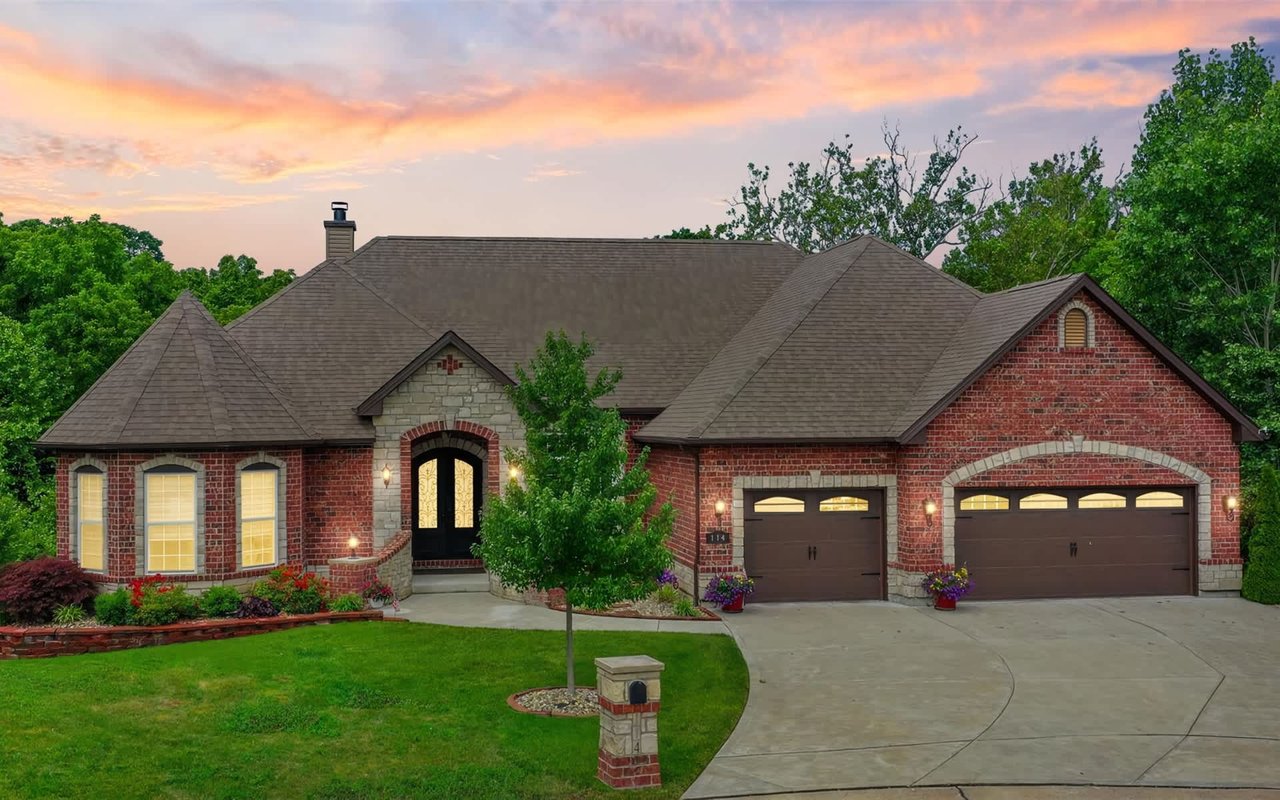
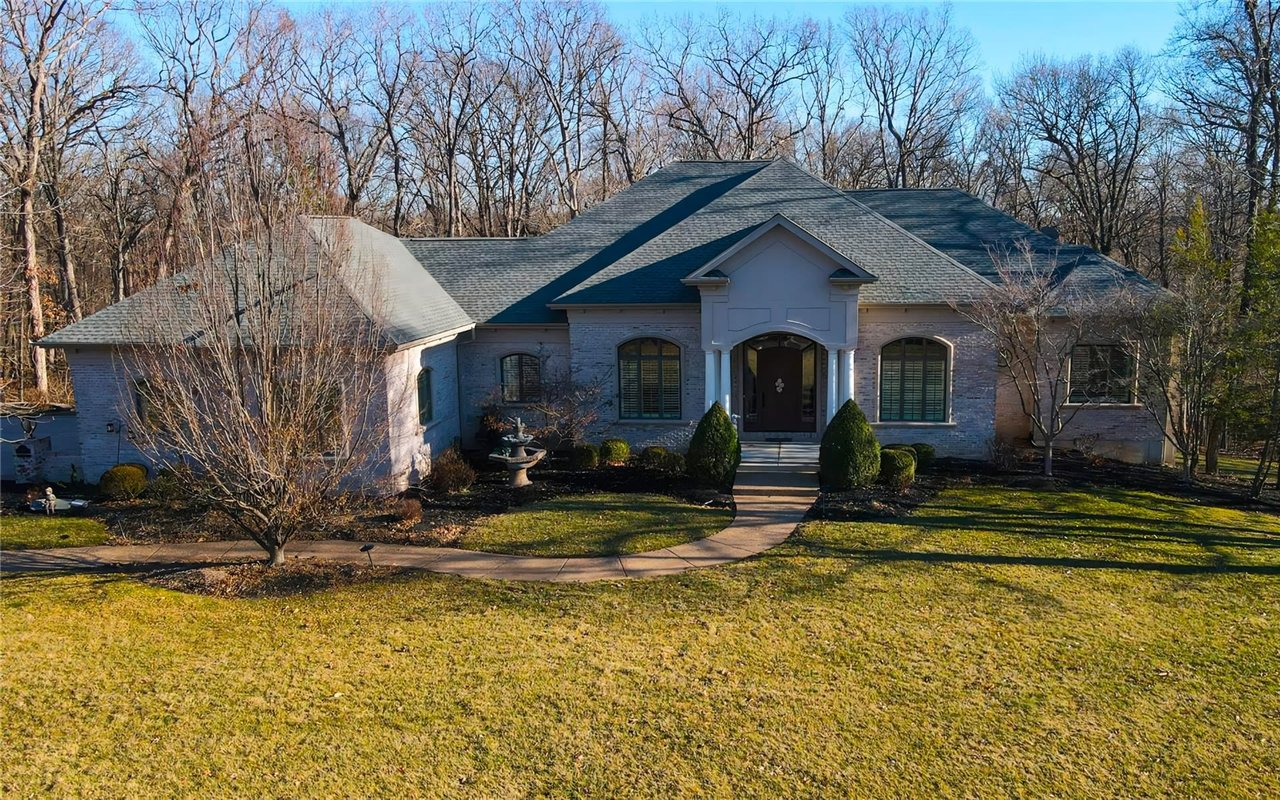
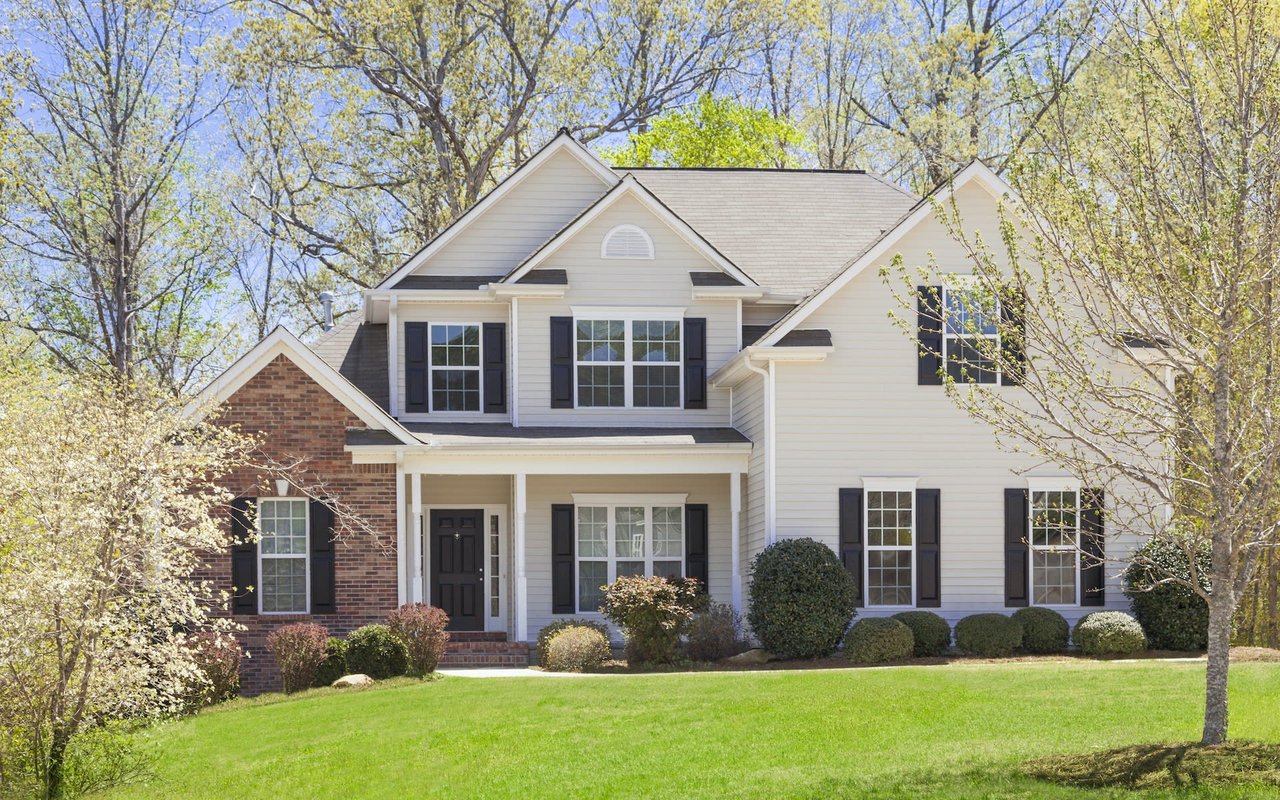
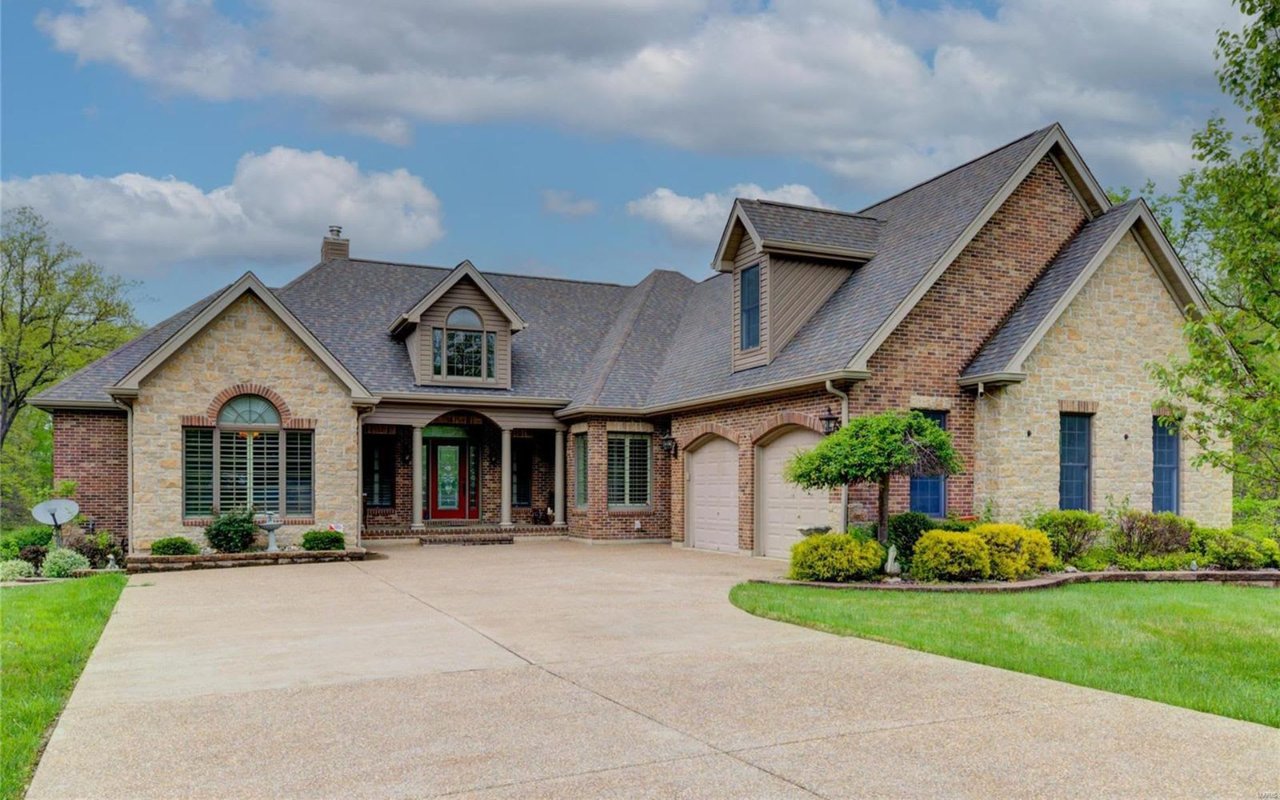
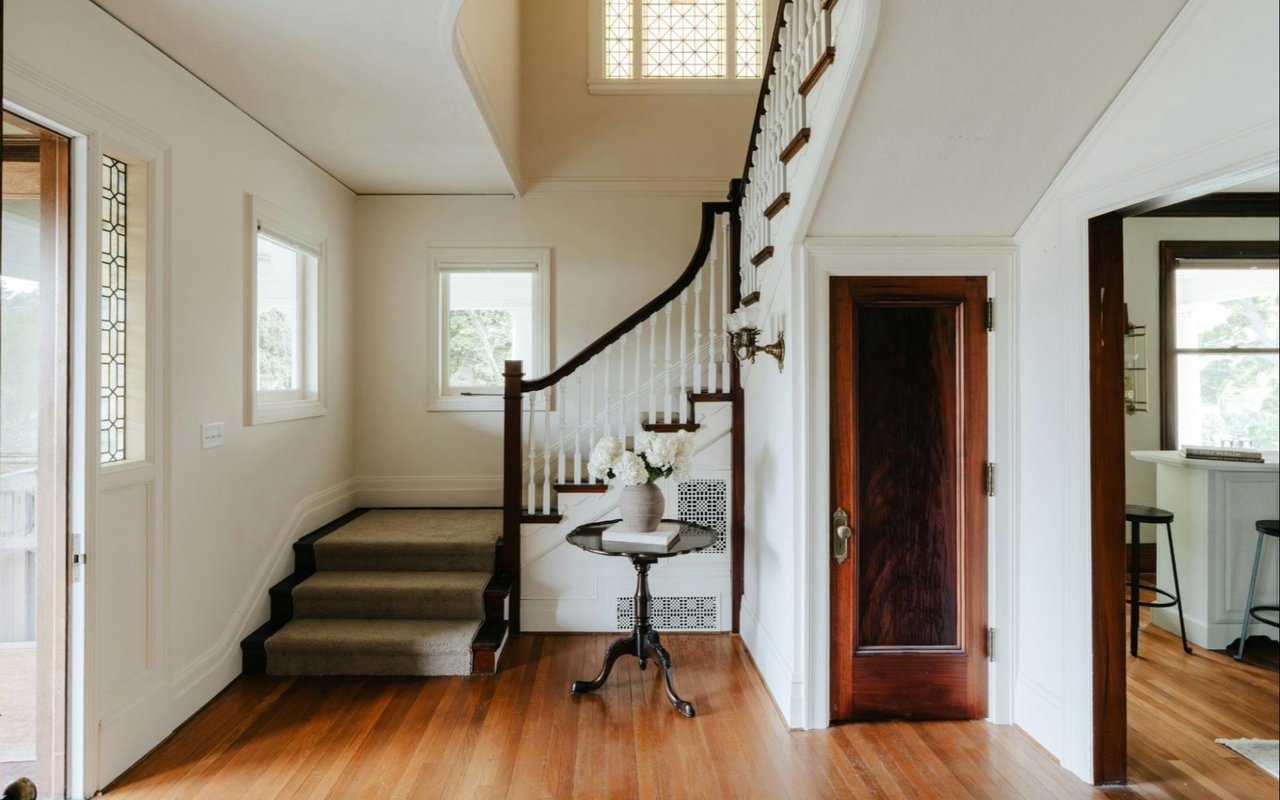
Older homes in well-established Lake St. Louis neighborhoods have their own compelling argument. Lots tend to be larger. Mature trees and landscaping take decades to develop and can't be replicated in a new subdivision. The neighborhoods themselves have a settled, community-oriented quality that newly developed areas are still building toward. Additionally, some older homes come with Lake Rights - where some newer homes may not offer this important option.
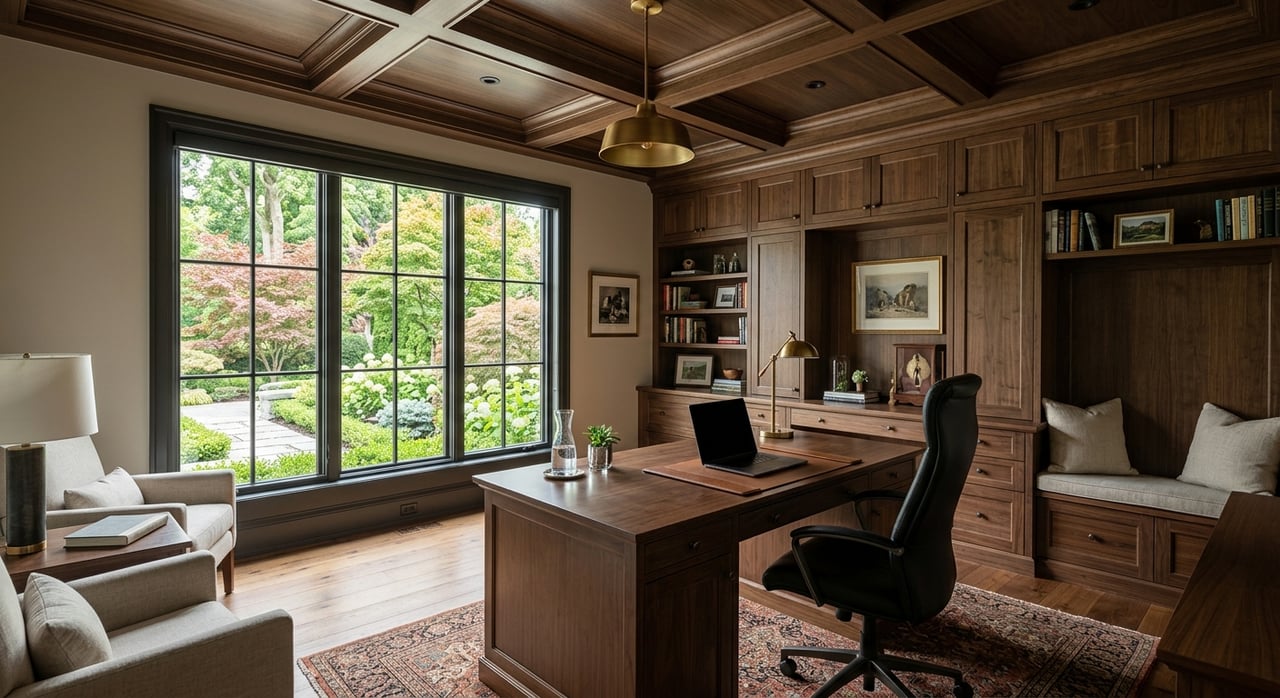
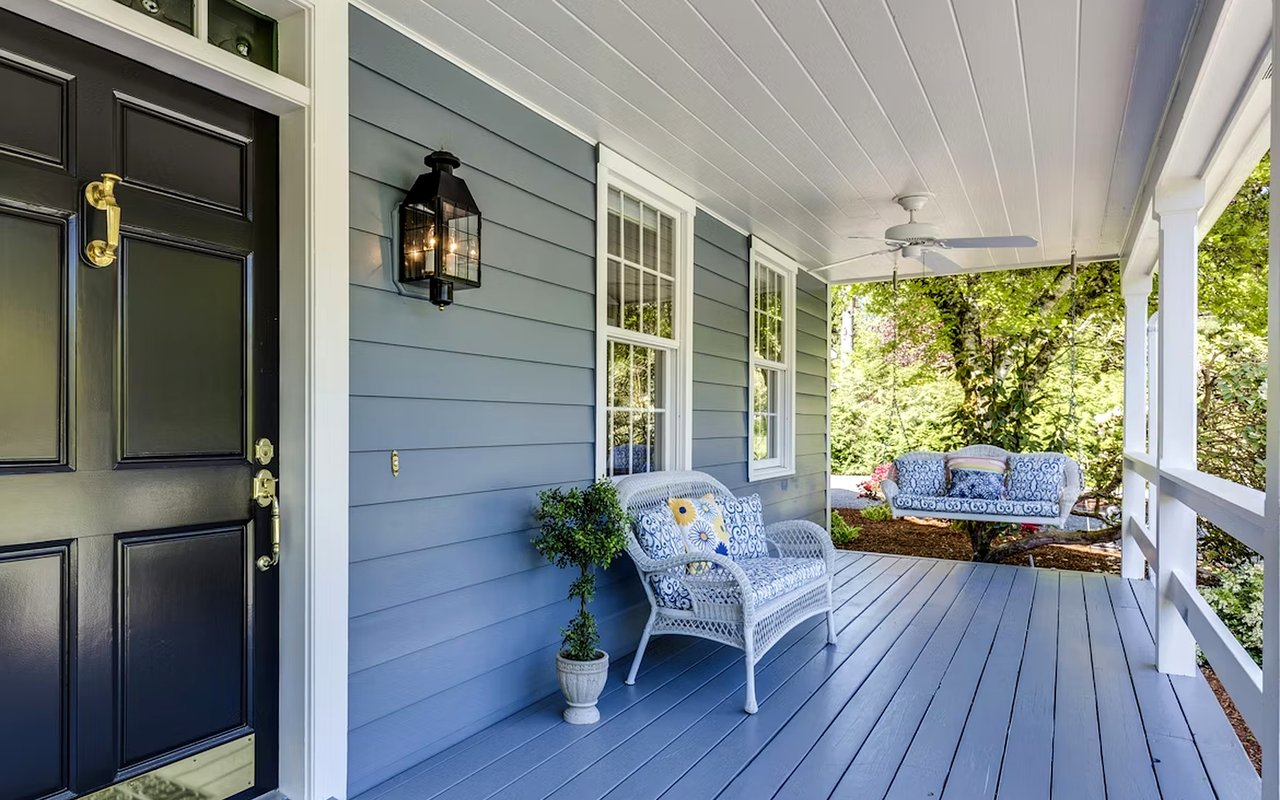
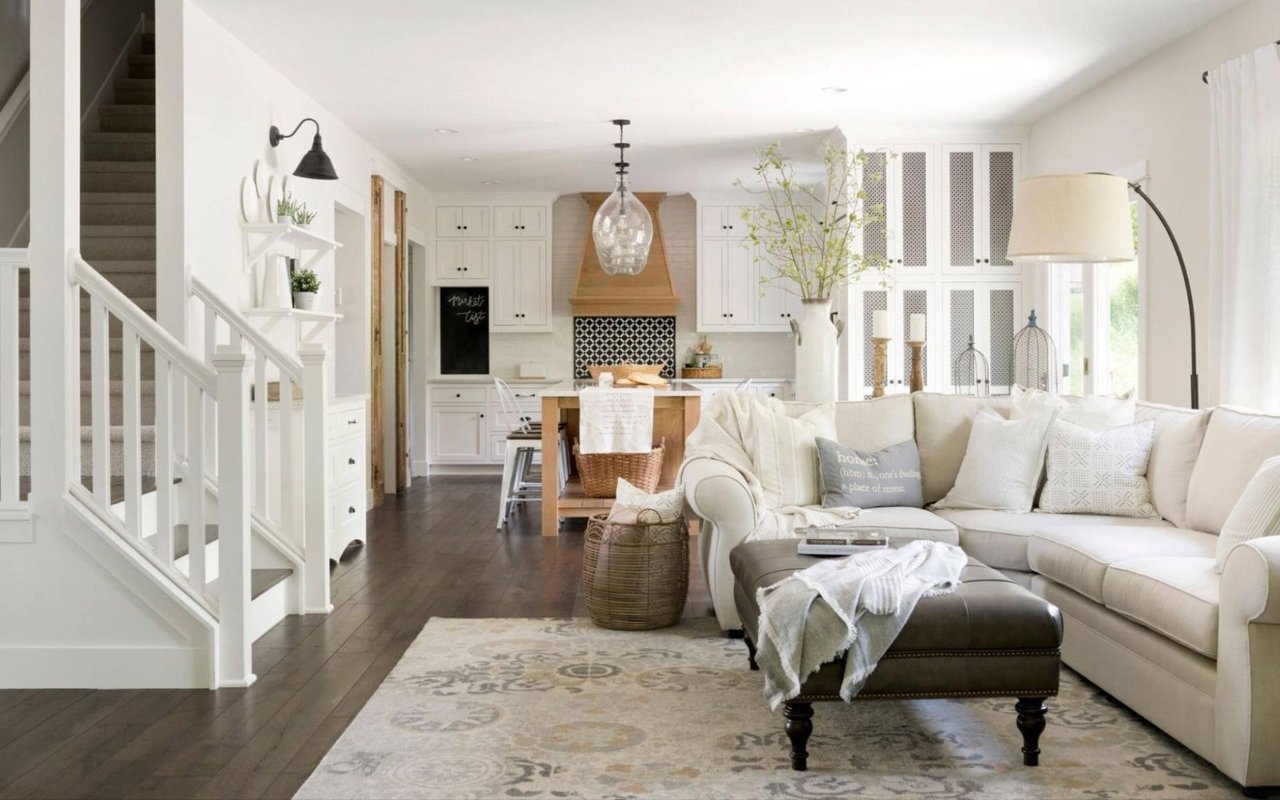
Beyond setting, older homes often offer architectural details and craftsmanship that newer construction doesn't prioritize — quality hardwood floors, solid wood trim, and layouts that include formal dining rooms and defined living spaces that some buyers genuinely prefer. When an older home has been thoughtfully updated — new roof, renovated kitchen and baths, efficient HVAC — it can compete directly with newer construction, sometimes at a more attractive price point.
Beyond setting, older homes often offer architectural details and craftsmanship that newer construction doesn't prioritize — quality hardwood floors, solid wood trim, and layouts that include formal dining rooms and defined living spaces that some buyers genuinely prefer. When an older home has been thoughtfully updated — new roof, renovated kitchen and baths, efficient HVAC — it can compete directly with newer construction, sometimes at a more attractive price point.
When an Older Home Represents Strong Value
- The major systems have been updated and documented, reducing buyer uncertainty.
- The home sits in an established, desirable neighborhood where lot size and maturity add real value.
- Strategic renovations have modernized the finishes without stripping the home of its character.
- The price reflects the age honestly, giving a buyer built-in equity potential from targeted improvements.
Condition Is the Real Variable
If there's a single takeaway from everything we've seen in this market, it's this: condition consistently outperforms age as a value driver. A well-maintained 1985 home with updated systems, fresh paint, and clean finishes will generate more buyer interest and stronger offers than a 2005 home that shows deferred maintenance and dated cosmetics throughout.
For sellers, this means that strategic pre-listing investment — focused on the items buyers actually evaluate — matters more than when the home was built. For buyers, it means not dismissing an older home because of the year and not assuming a newer home is problem-free without a thorough inspection.
For sellers, this means that strategic pre-listing investment — focused on the items buyers actually evaluate — matters more than when the home was built. For buyers, it means not dismissing an older home because of the year and not assuming a newer home is problem-free without a thorough inspection.
The Questions That Matter More Than the Year Built
- When were the roof, HVAC, water heater, and electrical panel last replaced or updated?
- Are there permits on file for major renovations, and was the work done to code?
- How does the home's overall condition compare to similar homes in the same price range?
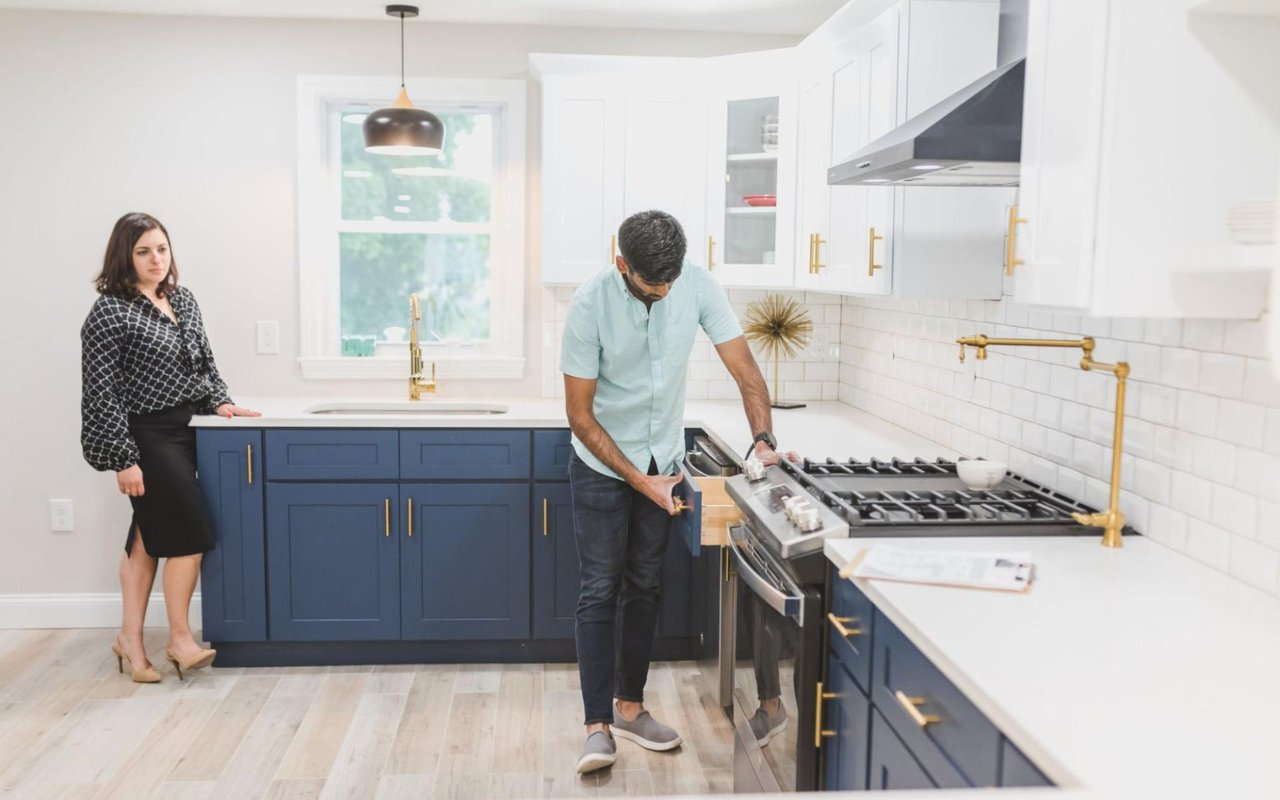
- What does the inspection reveal about deferred maintenance or near-term capital needs?
Frequently Asked Questions
Do older homes appreciate as well as newer ones in Lake St. Louis?
Location and condition drive appreciation more than age in most markets, including Lake St. Louis. Older homes in highly desirable subdivisions with strong community association standards have consistently appreciated well because demand for those locations remains strong regardless of construction era.
Should I be concerned about older electrical or plumbing in a Lake St. Louis home?
It's worth understanding what you're working with before you close. Homes built before the 1980s may have electrical panels or plumbing that don't meet current standards, and those are real costs to factor into your offer. Your inspection will surface these — and we help buyers interpret what they mean practically and financially.
As a seller with an older home, what's the most impactful thing I can do to protect my value?
Address the systems buyers worry about most. A documented, recent roof, functional HVAC, and updated water heater remove the biggest objections from a buyer's evaluation. Combine that with clean, neutral cosmetics and strong curb appeal, and an older home can be very competitive in this market.
Reach Out to the Cheri Norton Team Today
Whether you're evaluating an older home with character or a newer build with modern finishes, we help buyers and sellers in Lake St. Louis understand exactly what they're working with — and what it's worth.
Reach out to us, the Cheri Norton Team, to start the conversation. We're here to help you make a confident, informed decision.
Reach out to us, the Cheri Norton Team, to start the conversation. We're here to help you make a confident, informed decision.